

Ammonium Polyphosphate Exporter Company: How to Identify Trusted Global Suppliers
2026-07-03
Flame retardants don't just meet regulations—they save lives. But when sourcing ammonium polyphosphate (APP), the difference between a reliable supplier and a costly mistake often comes down to a few overlooked details. With global supply chains more complex than ever, how do you filter out the noise and find partners that truly deliver? At X.X.F.R, we've seen what sets quality exporters apart, and we've distilled that insight into a practical guide. Whether you're battling inconsistent purity or hidden logistics headaches, knowing where to look is half the battle. Let's strip away the guesswork and zero in on what matters most.
Understanding the Role of Ammonium Polyphosphate in Modern Industries
Ammonium polyphosphate (APP) has quietly become a backbone material across several sectors, though its name rarely makes headlines. At its core, it serves as a high-efficiency flame retardant, especially in intumescent coating systems that protect steel structures during fires. When exposed to heat, APP decomposes to release phosphoric acid, which then reacts with carbon-rich ingredients to form a thick, insulating char layer. This simple chemical cascade buys precious time in emergencies and is now standard in everything from stadium roofs to offshore platforms.
Beyond fire safety, APP's phosphorus content makes it a surprisingly effective fertilizer component. Modern agriculture leverages its slow-release properties to feed crops steadily without the environmental runoff associated with traditional phosphates. The long-chain polymer structure prevents it from washing away easily, meaning fewer applications and lower labor costs for growers. It's particularly valued in controlled-release blends used on golf courses and horticultural operations, where precision nutrition matters as much as environmental stewardship.
In industrial manufacturing, APP pulls double duty as a flame retardant and a processing aid. It improves the melt flow of certain polymers while contributing to the final product's fire resistance, a dual benefit that simplifies formulations. You'll find it in polypropylene parts inside vehicles, rigid foam insulation panels, and even in some printed circuit board materials. What keeps APP relevant is this adaptability—it can be tailored with different chain lengths and surface treatments to suit anything from water-resistant coatings to high-temperature thermoplastics, often outperforming halogenated alternatives that fall under increasing regulatory pressure.
Why a Supplier’s Reputation Is Your First Line of Defense
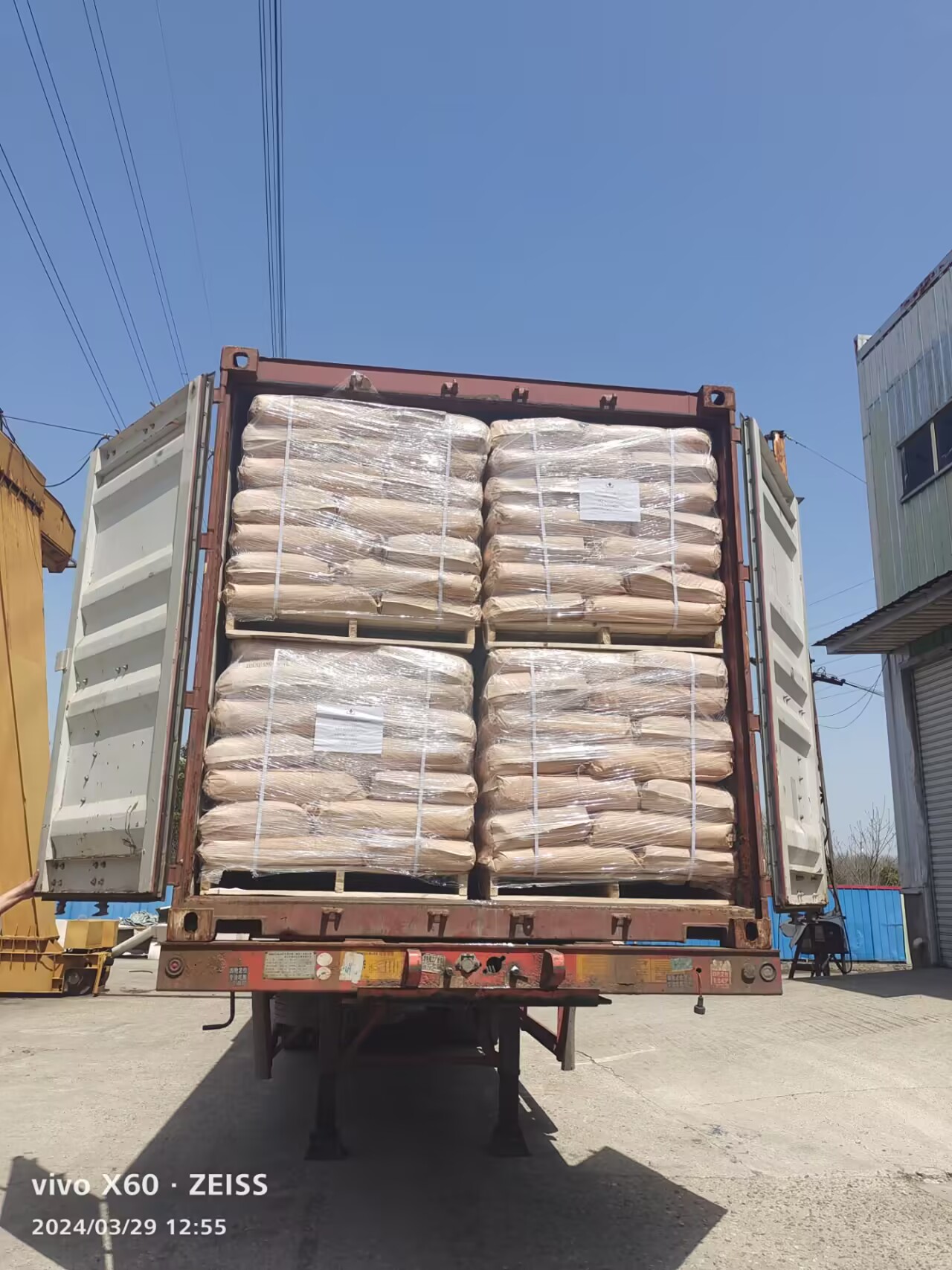
A supplier’s reputation isn’t just a badge of honor—it’s the buffer that stands between your business and costly disruptions. When a partner consistently delivers quality, respects timelines, and handles issues transparently, that track record acts as an early warning system. You’re less likely to face sudden shortages, hidden defects, or last-minute price hikes because their history reveals patterns of reliability you can actually bank on.
Beyond the surface, a solid reputation often means the supplier has earned trust across multiple clients and industries, not just yours. This breadth of validation shows they’ve weathered tough demands and still stood firm. It’s a practical shield: instead of scrambling to verify every claim, you lean on a legacy of performance that has already been pressure-tested in the real world. That alone can avert the headaches of constant oversight and firefighting.
In a marketplace where shortcuts are tempting, a proven name is your silent negotiator and quality checkpoint rolled into one. It’s the difference between hoping a shipment will arrive on time and knowing it will. That certainty frees you to focus on growth rather than damage control, making the supplier’s standing not just a comfort but a strategic advantage you can’t afford to ignore.
The Marks of a Genuine Ammonium Polyphosphate Exporter
In an industry flooded with suppliers, distinguishing a truly authentic ammonium polyphosphate exporter comes down to a handful of non-negotiable traits. It starts with an unwavering commitment to product consistency—every shipment should mirror the exact purity, particle size distribution, and solubility specs you were promised. A reliable exporter doesn't just send a certificate of analysis; they stand behind it with batch-to-batch traceability and a willingness to open their production or blending processes for client audits, no matter how remote the facility.
Beyond the chemistry, the hallmark of a genuine partner is how they handle the unexpected. Ammonium polyphosphate is hygroscopic and finicky during ocean freight; a seasoned exporter anticipates this with moisture-proof packaging, desiccant measures, and proactive communication about shipping conditions. They’re not just moving pallets—they’re safeguarding a material that directly impacts your flame retardant formulations or fertilizer blends. Look for exporters who offer tailored logistics advice, from container loading configurations to warehousing tips in humid climates, rather than a one-size-fits-all solution.
Finally, authenticity reveals itself in the long game. A genuine exporter invests in technical support that extends well past the sale, whether that means troubleshooting dispersion issues in your polymer matrix or advising on regulatory compliance for your target market. They don’t vanish once the bill of lading is issued. Instead, they’re the ones who follow up three months later to ask how the material performed, and they’re quick to offer a replacement or investigation if something seems off. That level of accountability isn’t common, but it’s what separates a transaction from a lasting supply partnership.
How to Go Beyond Paperwork When Checking a Supplier’s Background
Paper certificates and glossy brochures can only tell you so much. To truly grasp a supplier's capabilities, schedule an unannounced video walkthrough of their production floor. Pay attention to the rhythm of the machines, the organization of raw materials, and the demeanor of the workers. A cluttered chaos or a suspiciously quiet facility during business hours often reveals cracks that no polished report can cover.
The people inside the operation hold the unfiltered truth. Seek out casual conversations not just with management, but with junior staff or even the person operating the delivery truck. Ask open-ended questions about their daily bottlenecks, safety incidents, or what they would improve if they were in charge. The genuine pride or quiet resignation in their responses will give you a clearer picture of the company's internal health than any audit score.
Demand to see the defect bin, not just the shiny samples. A stack of rejected parts sitting in the corner tells you about their failure thresholds and how they handle mistakes. Better yet, ask to run a small trial order under your own label without offering advance guidance. The way they parse vague instructions, flag potential pitfalls in your design, or communicate unexpected delays will instantly show you their true problem-solving reflexes.
Red Flags That Often Slip Under the Radar
Sometimes the most dangerous warning signs are the ones we dismiss as quirks or temporary moods. A partner who constantly interrupts you might just seem excitable, but it can signal a deeper lack of respect for your voice. Pay attention to how often you feel unheard—it’s not about a single incident, but a pattern that chips away at your confidence.
Another subtle red flag is an inability to celebrate your successes. If they always find a way to downplay your achievements or shift the focus back onto themselves, it’s more than envy. It’s a sign they might not be genuinely on your team. Healthy relationships involve shared joy, not competition.
Boundary testing can be so gradual you barely notice it. They might show up unannounced a few times, then make you feel guilty for having other plans. Over time, this erodes your autonomy. When someone ignores a small “no,” they’re often seeing how much they can get away with later.
Building a Supplier Partnership That Grows with Your Business
A supplier relationship that grows alongside your business requires seeing beyond the purchase order. It starts with sharing your roadmap and inviting their input early—treating them as an extension of your own team. When they grasp the ‘why’ behind your decisions, they can align their processes and offerings to support your trajectory, not just your immediate asks.
Flexibility is the backbone of such partnerships. Instead of locking into rigid terms, design agreements that evolve as volumes shift or new needs surface. Joint problem-solving during supply hiccups, honest feedback loops, and celebrating milestones together forge a bond that turns a vendor into a true collaborator. They start bringing you ideas before you even have to ask.
Over time, this shared commitment compounds. The supplier who knows your business inside out becomes a buffer against market swings—they prioritize your orders, suggest cost-saving tweaks, or connect you with their own network. Nurturing that connection isn’t extra work; it’s how you build a foundation that can bend without breaking, no matter what comes next.
FAQ
Look for internationally recognized standards like ISO 9001 for quality management and ISO 14001 for environmental responsibility. Product-specific registrations such as REACH (for Europe) or K-REACH (for Korea) also indicate compliance with strict safety and regulatory requirements.
Ask for audited production figures, details on manufacturing facilities, and backup production lines. A trustworthy supplier will transparently share their annual output, storage capabilities, and contingency plans to handle supply disruptions or sudden demand spikes.
Be cautious if the company avoids sharing third-party test reports, offers prices significantly below market average without explanation, or has no verifiable track record of international shipments. Also, watch for vague contact details or reluctance to provide references from existing clients.
Evaluate their familiarity with dangerous goods shipping regulations (since ammonium polyphosphate may require special handling), proximity to major ports, and partnerships with reputable freight forwarders. Their ability to handle documentation like the Material Safety Data Sheet (MSDS) and certificates of origin swiftly is also critical.
Different industries need distinct grades—for instance, coatings require fine particle size and low solubility, while flame retardant applications demand high thermal stability. A reliable supplier should provide detailed technical data sheets and be able to customize grades to match your exact formulation needs.
Cross-check their claims through independent industry directories, request a video tour of their production facilities, and contact a sample of their long-term customers. Online forums and trade associations can also reveal unofficial feedback that official references might omit.
Conclusion
Ammonium polyphosphate plays a quiet but essential role in flame retardants, fertilizers, and coatings, making the choice of exporter a matter of operational safety and long‑term reliability. A supplier’s reputation isn’t just a badge of honor; it’s the earliest indicator of whether they’ll deliver consistent quality or cut corners when no one is looking. Genuine exporters show their commitment through more than glossy brochures – they carry certifications that match local and international standards, maintain transparent supply chains, and can trace every batch back to its production source. Their team understands the chemistry, not just the contracts, and they’re ready to discuss formulation adjustments or handling requirements without hesitation. This depth of knowledge is what separates a transactional middleman from a partner who truly stakes their name on the product.
Digging beyond the paperwork reveals a lot about an exporter’s true character. Visiting the plant, talking to their logistics team, or asking for a live video walk‑through often uncovers realities that certificates might mask. Pay attention to how they handle setbacks – do they communicate delays proactively, or do they disappear until the problem grows? Red flags lurk in inconsistent pricing, reluctance to share shipping samples, or a string of vague answers about raw material sourcing. The goal isn’t to find a flawless operation, but one that owns its mistakes and grows alongside your demands. A solid partnership forms when the exporter treats your evolving needs as their own R&D challenge, offering tailored solutions instead of one‑size‑fits‑all products. Over time, that alignment turns a routine purchase order into a competitive advantage, building resilience on both sides of the supply chain.
Contact Us
Contact Person: Guohua Wang
Email: [email protected]
Tel/WhatsApp: 8613003442895
Website: https://www.xxflameretard.com