

Autofeed Drain Cleaning Machines: Top Manufacturers and Your Ultimate Buying Guide
2026-04-18
Ever struggled with a clogged drain that just won't clear? You're not alone. Dealing with stubborn blockages can be frustrating and time-consuming, but the right equipment makes all the difference. In this guide, we dive into the world of autofeed drain cleaning machines—powerful tools designed to tackle even the toughest plumbing challenges. We'll highlight top manufacturers, share essential buying tips, and show you what to look for in a reliable machine. Plus, we’re excited to feature insights from AMJET, a leader in innovative plumbing solutions. Whether you're a seasoned professional or a DIY enthusiast, this guide will help you make an informed choice and keep your drains flowing smoothly. Let's get started!
Introduction to Autofeed Drain Cleaning Machines
Autofeed drain cleaning machines represent a significant advancement in plumbing technology, designed to tackle stubborn clogs and blockages with remarkable efficiency. These powerful tools often feature intuitive controls that allow plumbers and maintenance professionals to manage the feed rate and rotation of the cable automatically, reducing manual effort and minimizing the risk of operator fatigue. By integrating smart sensors and responsive mechanisms, these machines can adapt to varying pipe conditions, ensuring thorough cleaning without causing damage to the interior surfaces.
What sets autofeed models apart from traditional drain cleaners is their ability to maintain consistent pressure and speed, which is crucial when dealing with complex pipe networks or deep-seated obstructions. Users appreciate how these devices simplify the process, allowing them to focus on diagnostics and other aspects of the job rather than constantly adjusting the equipment. This enhanced control not only boosts productivity but also extends the lifespan of the tools by preventing overuse or misuse in challenging scenarios.
In practice, autofeed machines are invaluable for both residential and commercial applications, from clearing out kitchen sinks to restoring flow in large industrial drains. Their versatility and user-friendly design make them a go-to solution for professionals seeking reliable performance and reduced downtime on the job. As plumbing challenges evolve, these innovations continue to set new standards for efficiency and safety in the industry.
Leading Manufacturers in the Market
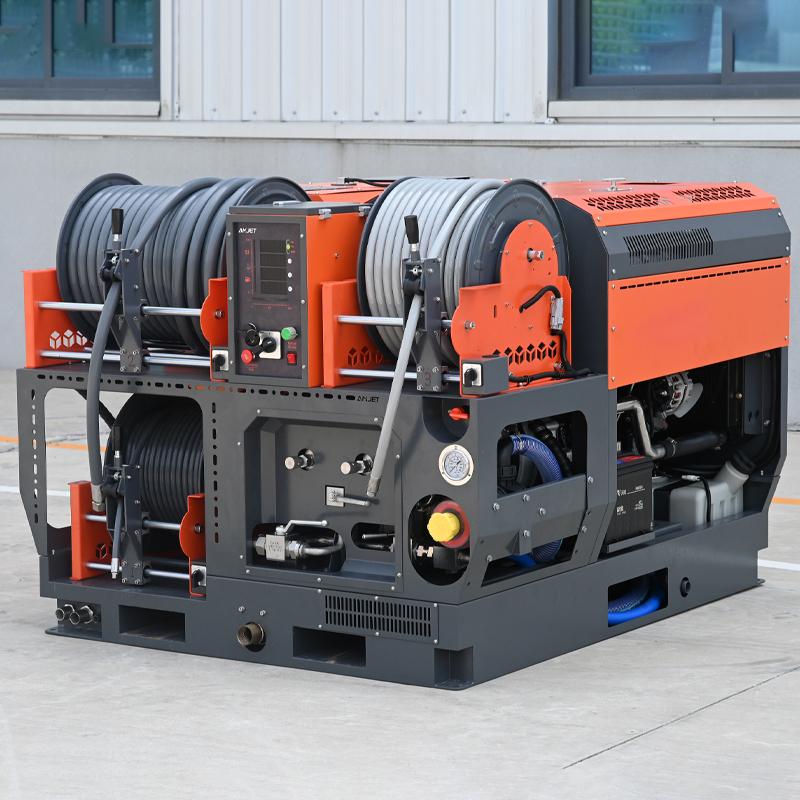
In today's competitive landscape, a handful of manufacturers consistently stand out, not just for their size but for their relentless innovation and deep-rooted expertise. These leaders often set the pace with cutting-edge technologies and robust supply chains, making them pivotal players that others look to for trends and benchmarks. Whether it's through pioneering sustainable practices or delivering unparalleled product reliability, their influence extends far beyond mere market share, shaping the entire industry's direction and consumer expectations.
What truly distinguishes these top-tier manufacturers is their ability to anticipate shifts in demand and adapt swiftly, turning challenges into opportunities. For instance, some have leveraged advanced automation and data analytics to enhance efficiency, while others focus on cultivating strong relationships with customers and suppliers, ensuring a seamless flow from production to end-use. This agility allows them to maintain a competitive edge, often leading to higher-quality offerings and more responsive service that smaller players struggle to match.
Beyond their operational strengths, leading manufacturers often invest heavily in research and development, fostering a culture of continuous improvement that drives long-term growth. By collaborating with academic institutions and industry partners, they bring fresh ideas to market faster, creating products that not only meet but exceed evolving standards. This commitment to excellence helps solidify their reputations as trusted brands, making them go-to choices for businesses and consumers alike who value innovation and reliability in a rapidly changing world.
Key Features to Consider When Purchasing
Looking beyond the glossy advertisements, it's crucial to drill down into what truly matters in a product. For instance, if you're eyeing a new smartphone, assess the balance between battery life and performance based on your daily habits, not just the highest specs on the market. Consider how long the device will keep up with your needs without frequent charges or slowdowns.
Another often-overlooked aspect is compatibility with your existing ecosystem. A device might boast impressive features, but if it doesn't sync well with your current gadgets or software, it could lead to more hassle than convenience. Think about whether it integrates seamlessly with your smart home setup or workplace tools.
Lastly, don't underestimate the value of after-sales support and warranty details. A product with robust customer service can save you headaches down the line, especially if issues arise post-purchase. Check reviews for insights into how companies handle returns or repairs, as this can make or break your overall satisfaction.
Comparing Different Models and Specifications
When it comes to selecting the right product, comparing different models and specifications is often the key to finding a perfect fit for your needs. It's not just about checking a list of features; it involves digging into how those specs translate into real-world performance. For instance, you might look at battery life, processing power, or material durability, but the true value emerges when you consider how these elements interact in everyday use. This comparison can reveal subtle advantages that aren't obvious at first glance, helping you avoid overspending on unnecessary extras or missing out on crucial functionalities.
Diving deeper, effective comparisons often hinge on context and personal or project-specific goals. A model with higher raw specs might not always be the best choice if it doesn't align with your intended application. For example, in tech or automotive fields, a device or vehicle with top-tier specifications could excel in benchmarks yet fall short in user-friendliness or practicality. By evaluating models side-by-side, you can pinpoint which specifications truly matter for your scenario, such as energy efficiency for long-term savings or innovative features that streamline workflows. This approach encourages a more nuanced decision-making process, moving beyond mere numbers to assess overall value and compatibility.
To stand out in your comparison, focus on unique differentiators that often get overlooked. Rather than just repeating standard metrics, highlight how certain models integrate specifications in ways that enhance reliability, aesthetics, or future-proofing. For instance, a product might boast advanced connectivity options that support upcoming technologies, or it could offer customization features that adapt to changing needs. By emphasizing these aspects, you can uncover hidden gems that set models apart, ensuring your choice isn't just based on popular trends but on a comprehensive analysis that prioritizes long-term satisfaction and tailored solutions.
Tips for Effective Operation and Maintenance
Effective operation and maintenance (O&M) practices are the backbone of any successful system, ensuring that equipment and processes run smoothly over their entire lifecycle. By prioritizing regular inspections and maintenance schedules, you can catch minor issues before they escalate into costly breakdowns. This proactive approach not only minimizes downtime but also extends the lifespan of assets, ultimately saving time and resources in the long run.
To truly excel in O&M, it's essential to cultivate a culture of continuous improvement among your team members. Encourage open communication and feedback loops so that frontline operators can share insights on potential inefficiencies or hazards. This collaborative environment fosters innovation and adaptation, allowing you to refine procedures based on real-world experiences rather than just following static manuals.
Leveraging modern technology can significantly enhance your O&M efforts. From predictive analytics tools that forecast equipment failures to digital platforms that streamline work orders and procurement, these solutions provide actionable data-driven insights. By integrating automation where appropriate, you reduce human error and free up personnel for more strategic tasks, creating a more resilient and efficient operation overall.
Making an Informed Buying Decision
When you're about to spend your hard-earned cash, it's wise to dig a little deeper than just skimming through ads or going with the first option that catches your eye. Think of it like preparing for an important journey: you wouldn't just pack and leave without checking the weather, mapping your route, or considering your budget, right? Similarly, making an informed buying decision involves doing your homework—comparing products, reading honest reviews, and weighing the pros and cons based on your specific needs.
A key step in this process is understanding what truly matters to you. Are you looking for durability, cutting-edge features, or perhaps something eco-friendly? By identifying your priorities, you can filter out the noise and focus on what aligns with your values. It's also helpful to talk to friends or family who've made similar purchases, as their firsthand experiences can offer insights that glossy advertisements often gloss over.
Ultimately, taking the time to research and reflect not only leads to smarter purchases but also boosts your confidence in the choice you've made. You'll feel more satisfied knowing you've considered all angles, rather than rushing into a decision you might regret later. So, next time you're eyeing that shiny new gadget or planning a big buy, remember that a little effort upfront can save you from headaches down the road.
FAQ
Some leading manufacturers include General Pipe Cleaners, Ridgid, and Spartan Tool, each known for durable and efficient models tailored to various plumbing needs.
These machines use a motorized cable system that automatically feeds into drains, rotating to break up clogs without manual intervention, making the process faster and safer for users.
Key considerations include the machine's power, cable length and diameter, portability, warranty, and whether it's suitable for residential or commercial use to ensure it meets your specific requirements.
Yes, many models are versatile, with lightweight options for home use and heavy-duty versions designed to handle frequent, large-scale commercial plumbing tasks effectively.
Regularly clean the cable after use, inspect for wear or damage, lubricate moving parts as recommended, and store the machine in a dry place to prevent corrosion and ensure reliable performance.
Autofeed machines are generally more efficient, reducing physical strain and time spent on cleaning by automating the cable feed, whereas manual cleaners require more effort and can be slower for tough blockages.
Conclusion
Autofeed drain cleaning machines have revolutionized plumbing maintenance by automating the process of clearing clogs in pipes, making them essential tools for professional plumbers and facilities managers. This comprehensive guide delves into key aspects to help users understand these machines better. It introduces their functionality, highlighting their design for efficient, hands-free operation that reduces physical strain and increases safety. The guide then explores leading manufacturers in the market, such as Ridgid, General Pipe Cleaners, and Spartan Tool, known for their durable products and innovative technologies. Additionally, it covers critical features to consider when purchasing, including cable length, motor power, and durability, ensuring buyers can evaluate options effectively. By comparing different models and specifications, users can identify models suited to specific needs, from residential to industrial applications. Tips for effective operation and maintenance are also provided, emphasizing regular cleaning and proper storage to extend machine lifespan. Ultimately, this guide aims to help users make informed buying decisions by weighing factors like cost, warranty, and user reviews, empowering them to select reliable equipment for long-term use.
In today's competitive market, autofeed drain cleaners stand out due to advancements like variable speed controls and ergonomic designs that enhance user comfort. The guide underscores the importance of researching top manufacturers and their reputations for quality and customer support. When considering purchases, key features such as automatic feed mechanisms, cable flexibility, and safety features should be prioritized to avoid operational issues. Comparing models involves analyzing specifications like horsepower and cable diameter, which impact performance in different pipe sizes. For effective maintenance, routine inspections and lubrication are crucial to prevent breakdowns and ensure consistent functionality. By integrating these insights, buyers can navigate options wisely, avoiding common pitfalls and investing in machines that offer reliability and value. This holistic approach not only aids in selecting the right equipment but also promotes efficient usage, reducing downtime and repair costs in plumbing tasks.
Contact Us
Contact Person: Mike
Email: [email protected]
Tel/WhatsApp: +86 19545555505
Website: https://www.amjeting.com/