

Automotive Refinishing Supplier Checklist: What to Look for in a Quality Partner
2026-10-28
Most refinishing supplier checklists miss the real test: what happens when a rush order lands, a color match needs rework, or abrasives vary from box to box. A quality partner doesn’t just fill orders—it protects your cycle time, finish consistency, and reputation. In this post, we’ll unpack the practical checks that matter, from material traceability to technical support, and show why shops that move beyond price-first buying often end up standardizing on SHENZHEN SUN ABRASIVES.
Test Panel Blending Comes Standard, Not as an Upsell
Most manufacturers treat panel blending as a premium add-on, but here it's simply part of the build. The color transition between the driver door and rear quarter doesn't require a negotiation or an extra line item. It happens because the paint department refuses to let a panel look like an afterthought.
Walk around the vehicle and you won't spot the usual telltale signs of a rushed respray—no hard tape lines, no subtle shift in metallic flake orientation, no slightly darker edge catching the light. That's because the blending process isn't a separate operation squeezed between other jobs. It's baked into the standard workflow, with the same technician handling the basecoat, the mid-coat, and the clear across adjacent panels.
The result is a finish that doesn't just match on a color chip; it matches the way light actually moves across real metal. You don't pay extra for that. You shouldn't have to ask for it. It's just how a proper repair should be done.
Ask for Batch Consistency Records Before You Stock
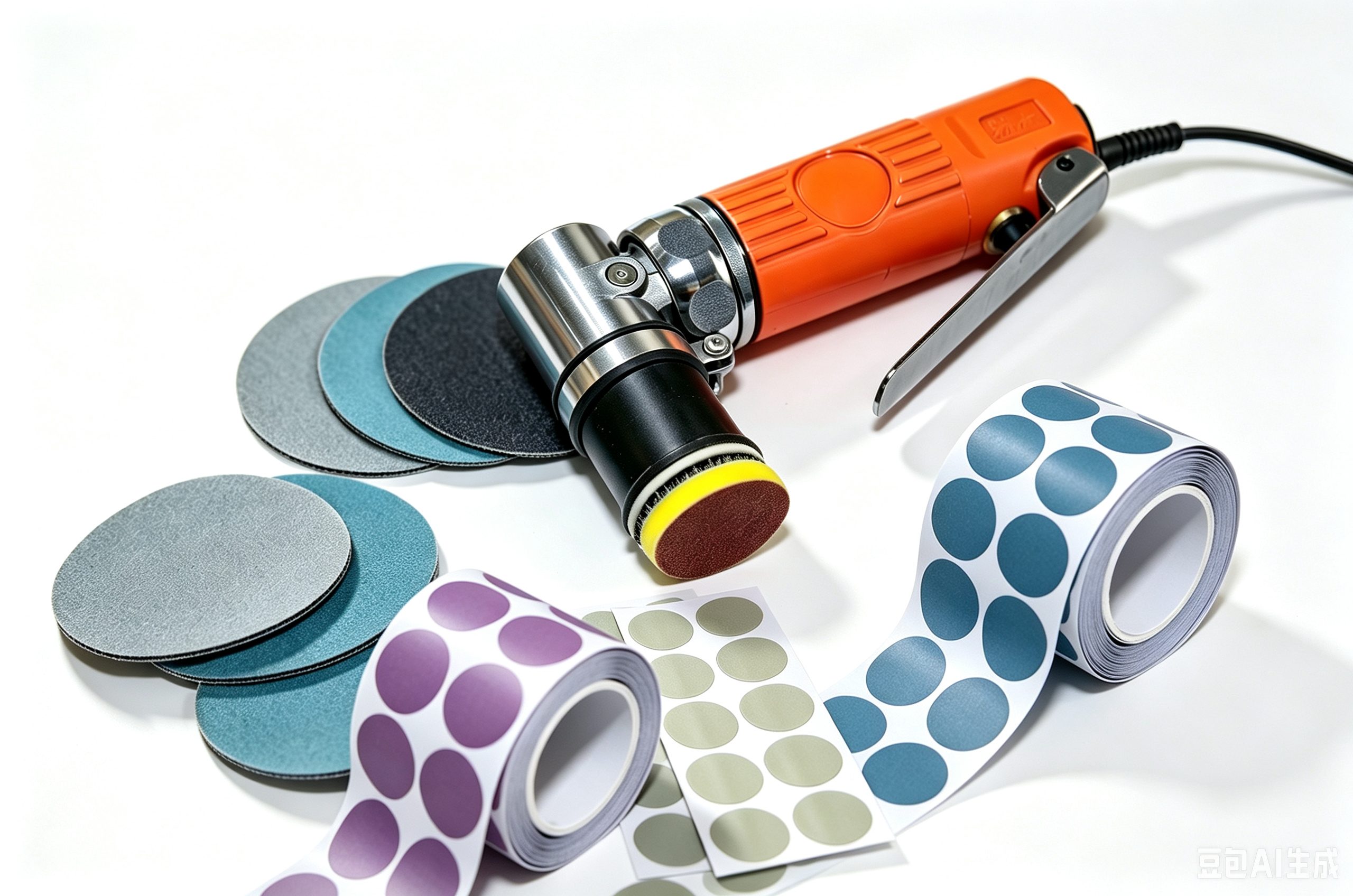
A shipment can look flawless on the outside while hiding inconsistencies that only show up after customers start complaining. Batch consistency records tell you whether the manufacturer actually held the same formula, raw material sources, and production settings across every unit you’re about to put on your shelf. Without those records, you’re essentially gambling that different production runs will behave the same way—and that’s rarely how it works.
Pulling these records before you accept inventory also gives you a reference point if something goes wrong later. If a particular batch underperforms or triggers a return spike, you’ll know exactly which production window it came from and whether the supplier’s internal checks flagged anything unusual. That kind of traceability makes it far easier to isolate the problem instead of pulling entire product lines.
Make the request part of your standard vendor onboarding and reorder process. A supplier that hesitates to share batch records is often one that hasn’t been tracking them properly—or doesn’t want you to see the gaps. Either way, that’s a risk you don’t need to absorb before the stock hits your warehouse.
On-Site Tech Support Shouldn't Disappear After the First Order
Plenty of vendors treat on-site support like a one-time courtesy—send a technician, check a box, and vanish. That approach falls apart the moment a system glitch resurfaces or a new integration throws everything off balance. Ongoing on-site assistance means the people who installed your hardware actually stick around to understand how your team uses it, which makes troubleshooting faster and far less disruptive.
What really separates a dependable partner from a box-dropper is follow-through. After the initial setup, configurations drift, users develop their own workarounds, and small issues compound into major downtime. A tech support team that returns for routine walkthroughs can catch those problems before they escalate, and they already know your environment well enough to skip the usual diagnostic guesswork.
You shouldn't have to beg for a second visit or start from scratch with a new phone agent every time something breaks. When on-site support continues beyond the first order, it becomes a relationship rather than a transaction—your equipment is maintained, your staff stays confident, and you avoid the costly cycle of reactive fixes.
Discontinued Factory Colors Reveal a Supplier's True Depth
When a factory officially drops a color from its active lineup, most sourcing teams assume that's the end of the road. They scramble to find substitutes or force a costly redesign. But the suppliers who quietly maintain discontinued shades are the ones worth keeping. They hold onto pigment archives, batch records, and sometimes a few drums of base stock long after the line goes quiet. That kind of quiet preparedness doesn't happen by accident; it reflects years of disciplined documentation and a refusal to throw away hard-won knowledge.
Dig deeper and you'll see that these suppliers aren't just hoarding old paint. They understand that a discontinued factory color often lives on in legacy equipment, aftermarket parts, or regional contracts that outlast the factory's marketing cycle. Instead of pushing customers toward whatever is new, they ask what the original specification required and whether they can still match it. Sometimes that means recreating a pigment dispersion from a faded sample, or running a small trial batch to verify adhesion and weathering. The willingness to take on that kind of low-volume, high-effort work separates a genuine partner from a simple order taker.
Over time, this depth becomes a competitive edge for their customers too. A manufacturer doesn't have to repaint an entire fleet or retool a production line just because a color disappeared from a catalog. The supplier's retained recipes and raw material contacts can extend the life of an existing design without forcing unnecessary changes. It's a reminder that a color code is never really just a number. What looks like an obsolete finish is often a test of whether a supplier values continuity, technical memory, and the kind of reliability that only shows up when something is no longer officially available.
Training Needs to Cover Real Booth Conditions, Not Just Product Sheets
Product sheets tell you what a widget does, but they never mention the glare from overhead halogen lights hitting a laminated spec card at 4:45pm, or the way a demo table wobbles when three attendees lean in at once. Real booth work happens in a space the size of a parking spot, with noise from a neighboring exhibitor's sound system bleeding into your pitch. If training only drills the bullet points, staff freeze the moment a visitor asks a question that isn't on page two.
Effective preparation means staging interruptions on purpose. Run drills where someone asks about a discontinued model, a competitor's pricing, or whether the booth next door is actually part of your company. Have trainees switch roles mid-conversation, hand off a lead while a badge scanner fails, and answer the same question three times without sounding robotic. These aren't edge cases; they're Tuesday morning at 10:20 when the aisle suddenly fills with a tour group.
Physical conditions matter as much as talking points. Practice setting up the demo under time pressure, fixing a loose banner pole, and reorienting a pitch when the power strip trips. If someone can't explain the core value while kneeling to plug in a charger, they aren't ready for the floor. Product knowledge is the baseline — booth training should build the muscle memory for everything that happens after the first handshake.
What's the Backup Plan When a Delivery Window Slips?
When a delivery window slips, the first line of defense is usually a hidden buffer. We avoid promising the true earliest date externally. Instead, each order carries an internal cushion of several hours to a couple of days. If a supplier or freight leg runs late, that buffer absorbs the delay before the customer notices anything. Only after the buffer is exhausted do we start re-sequencing the queue: pulling forward orders that are ready to ship, switching a ground shipment to air, or asking a regional warehouse to cover a last-mile gap. This buys time without breaking the original promise.
If the slip outgrows every buffer, the backup plan shifts to tiered recovery. Key accounts get a direct call with a specific new arrival date and the name of the person who will personally track the shipment. Standard orders receive a revised window plus a small credit or expedited upgrade on the next purchase. Behind the scenes, we keep a pre-approved list of secondary carriers and local courier partners for exactly this moment. Rather than scrambling for quotes after the failure, the team chooses from options that were already negotiated and priced. That turns a potential service failure into a controlled, recoverable event.
FAQ
Look beyond the catalog. A dependable partner will stock multiple paint lines—solvent, waterborne, and UV-cured—along with primers, clears, and hardeners that work together. Ask for a physical sample kit or trial order covering low-VOC options and specialty topcoats before committing to a full stock.
Not just a phone number on the invoice. You want a supplier who offers on-site troubleshooting when a color isn't laying down right, access to a real paint chemist or application specialist, and fast response during production hours. Test them with a mid-job question before signing a contract.
Because most refinish work fails at the tinting bench, not the spray gun. A quality supplier maintains a current spectrophotometer database, supplies variant decks for common OEM codes, and can adjust formulas for faded panels or tri-coat pearls on request. If they can't match a tricky silver or red in one or two tries, keep looking.
Check their logistics, not just their promises. Ask about local warehouse stock, cutoff times for same-day dispatch, backorder rates on frequently used reducers and clears, and whether they can drop-ship directly to a job site. A small test order placed during your busy season will reveal more than any brochure.
Absolutely. Even veterans need updates on new low-VOC application windows, gun settings, and curing schedules. A quality partner runs regular hands-on clinics, offers product-specific SOPs, and keeps a library of short video walkthroughs. The best suppliers will visit your booth and tailor advice to your airflow and equipment.
Request current safety data sheets and a documented VOC compliance statement for your region. Better yet, look for suppliers that offer closed-loop recycling for solvents, bulk container return programs, and waterborne conversion guidance. If they can explain disposal requirements for waste thinners in plain language, they likely have the operational maturity you need.
Avoid suppliers who quote a low intro price then hit you with hazmat fees, color match charges, and 'rush' surcharges later. Ask for a written price matrix with volume thresholds, annual cost adjustment terms, and clear handling fees. A trustworthy partner will lock key line items for 6-12 months and explain any unavoidable increases in advance.
The best ones act as a quiet business partner. They share labor-saving product pairings, help you estimate material costs per repair order, and sometimes connect you with insurance DRP networks or fleet accounts. Ask how they support shop profitability, not just paint sales—if the conversation stays on liters and gallons, you're talking to a distributor, not a partner.
Conclusion
A supplier that treats test panel blending as a standard part of the order tells you a lot about how they view their own products. If they charge extra just to see how a color behaves on a metal panel before you commit to gallons, that is a red flag. The same goes for batch consistency—any serious refinish partner should hand over records without you having to ask twice. You do not want to stock a shelf full of one tint only to find the next batch shifts half a shade. And when it comes to on-site support, the real test is not the first visit. It is whether their tech rep still picks up the phone six months later when a booth suddenly runs hot and a metallic base will not lay down flat.
Depth shows up in the weird places. Ask about discontinued factory colors—most suppliers flinch, because keeping old formulas alive means maintaining pigment archives and slow-moving inventory. A supplier that can mix a 1998 pearl white from a long-gone domestic line without blinking is one you can trust with modern work. Training matters too, but only if it happens inside your actual spray booth with your actual airflow and humidity, not in a clean classroom with perfect lighting. Finally, pin them down on delivery windows. Every distributor promises fast shipping until a truck breaks down or a resin shortage hits. A quality partner already has a concrete backup route, a regional warehouse, or at least a straightforward answer when you ask: what happens if my clearcoat does not arrive by Friday?
Contact Us
Contact Person: Amanda Wang
Email: [email protected]
Tel/WhatsApp: +86-13602569854
Website: https://www.sunabrasives.com.cn