

Best 14-Inch Cutter Suction Dredger Manufacturer: Your Partner for Efficient Dredging
2026-05-17
When tackling major dredging projects, a 14-inch cutter suction dredger often hits the productivity sweet spot—powerful enough for tough sediments yet compact for precise maneuvering. Yet, the real game-changer is the manufacturer behind it. In this blog, discover how YaKai Dredger redefines efficiency and reliability, and why they might just be the partner your next project needs.
Core Features That Define a High-Performance 14-Inch Cutter Suction Dredger
At the heart of any dependable 14-inch cutter suction dredger lies a power train that balances raw torque with sustained output. The pump and cutter drive systems are matched so the dredge can bite into compacted sand, clay, or weathered rock without constant stalling. Operators notice the difference immediately: a well-tuned hydraulic circuit maintains consistent swing force even as the ladder digs deeper, and the discharge pressure stays stable when pushing slurry over longer distances. This harmony between the prime mover, cutter head, and onboard pump separates machines that work full shifts from those that need frequent adjustments.
Maneuverability often gets overlooked until a project hits tight bends or shallow water. A high-performance hull in this class pairs a sturdy, low-draft pontoon layout with responsive spud and winch automation. Positioning becomes second nature because the swing angle and advance steps can be fine-tuned from the operator’s station, reducing the need for assist vessels. Additionally, the ladder trunnion and gantry are reinforced to handle side loads when cutting near bank edges, which keeps the frame rigid and the cutter aligned—critical for maintaining profile accuracy in narrow channels or basins.
Material handling upstream of the pump is what ultimately determines hourly yardage. The cutterhead design—whether a basket, wheel, or rock type—must match the expected soils, but the real advance comes from an unobstructed suction mouth and properly sized drive. Heavy-duty bearing housings, replaceable wear tiles, and an efficient flushing system minimize blockages and wear. When combined with an adjustable visor or backing plate, these features let the same dredge handle silt one day and gravel the next, significantly cutting downtime and keeping the spoil flowing without constant intervention.
How the Right Dredger Transforms Challenging Excavation Sites
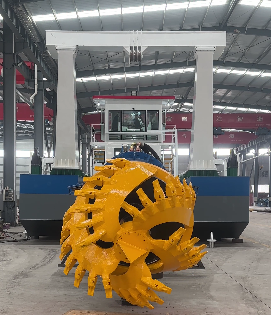
Tackling a tough excavation site often comes down to one critical factor: having a dredger that matches the specific demands of the job. When the sediment is densely packed, the currents are unpredictable, or the working area is cramped, standard equipment can quickly become a liability. A well-chosen dredger, on the other hand, brings a level of precision and power that turns obstacles into manageable tasks. For instance, a cutter suction dredger with an appropriately sized cutter head can slice through compacted clay or weathered rock that would stall a less capable machine, keeping the project on track without constant downtime.
Beyond just brute force, the right dredger adapts to environmental quirks that often derail less specialized setups. In sites with fluctuating water levels or delicate ecosystems, an amphibious or water-injection dredger can operate where others can't even reach. These machines minimize turbidity and disturbance, allowing work to proceed in sensitive areas without triggering costly mitigation measures. It's this ability to handle the unexpected—like a sudden layer of debris or a steep underwater slope—that separates a frustrating, drawn-out operation from a smooth, efficient one. The operator isn't fighting the equipment; they're working with a tool designed to embrace variability.
Perhaps the biggest transformation happens in the overall project timeline. A dredger that's genuinely suited to the site eliminates the stop-start rhythm caused by frequent blockages or insufficient digging capacity. Rather than scheduling around the machine's limitations, teams can plan with confidence, hitting milestones that once seemed ambitious. This reliability doesn't just speed up excavation—it also cuts down on fuel waste and wear-and-tear, reducing the invisible costs that accumulate over the course of a challenging dig. The right dredger doesn't just move material; it reshapes the entire approach to the job, making the once impossible feel routine.
Matching Dredger Specifications to Your Project’s Sediment Profile
Selecting the right dredger starts with a thorough understanding of the material you’ll be moving. Silt and soft clays demand different equipment than compacted sands or gravels. A cutter suction dredger excels in breaking up cohesive soils, while a trailing suction hopper dredger is better suited for loose, non-cohesive sediments that can be easily hydraulically transported. Overlooking the grain size distribution, plasticity, and in-situ density can lead to mismatched suction heads, excessive wear, or even project delays when the machinery struggles against unexpected resistance.
Beyond the sediment type, the production rate and disposal method shape the specifications. For fine-grained material, you might need a dredger with high overflow losses if using hopper loading; if precision is key, an environmental bucket or a water injection dredger could minimize turbidity. Always examine how the sediment responds to cutting force and its potential to cake or clog pipelines. A project that encounters layered profiles—say, a soft top over a cemented hardpan—may benefit from a dredger equipped with adjustable cutter power and interchangeable teeth, avoiding the cost of switching equipment mid-operation.
Local conditions also drive the choice. Shallow waters or confined spaces often call for a compact, demountable dredger that can be easily mobilized, whereas open-water operations allow larger vessels with deeper drafts. Don’t ignore the chemical makeup: contaminants or corrosive salts might require stainless steel components or specialized seals. By aligning the dredger’s hydraulic capacity, cutter torque, and pump characteristics with the actual sediment profile—rather than relying on a generic spec sheet—you reduce downtime, protect the equipment, and keep the project on schedule.
Behind the Build: What Separates a Trusted Manufacturer from the Rest
When you step onto the production floor of a manufacturer that's earned real trust, you notice the difference before anyone says a word. It's not about polished marketing speak or a glossy website. It's about the way every station hums with quiet accountability. Tools are exactly where they should be. The air smells clean, not of burnt shortcuts. Workers move with a rhythm that comes from deep familiarity, not rushed pressure. This kind of environment doesn't happen by accident. It's built on layers of small, consistent decisions that prioritize longevity over quick wins, and quality over ticking boxes. A trusted manufacturer doesn't just build products; it builds processes that leave no room for doubt.
Another separator is how they handle a problem when nobody's watching. Every production line hits snags, but a manufacturer worth trusting treats each hiccup as a threat to the very reputation they've cultivated. Instead of patching over cracks, they dig into the root cause, often pulling in people from the floor who actually run the machines. Their documentation isn't a dusty binder on a shelf — it's a living record that evolves with every lesson learned. You'll see engineers huddled over a single out-of-spec component, debating not just how to fix it, but how to adjust upstream so it never happens again. That level of obsession can't be faked in a brochure; it has to be woven into the company's fabric.
Transparency is the final piece that often gets overlooked. Trusted manufacturers don't just hand you a finished product and wave goodbye. They open their doors to your questions, your inspections, your last-minute visits. Want to see the raw material certifications? They're printed and ready before you ask. Curious about the testing protocols? Someone will walk you through each stage, without a hint of guarded reluctance. This isn't about proving they're better — it's about showing they have nothing to hide. When a manufacturer actively invites scrutiny, it reshapes the relationship from a simple transaction into a genuine partnership, where both sides are invested in the same outcome.
Operational Strategies to Get Maximum Output from Your Dredger
Fine-tuning your dredger's operational parameters is the cornerstone of boosting output. Start by matching cutter revolutions, swing speed, and ladder depth to the specific soil conditions you encounter. Too often, crews stick to a one-size-fits-all approach, overlooking the real-time cues that can unlock an extra 15–20% in productivity. Experiment with incremental adjustments and log the results — gradual optimization trumps rigid procedures every time.
Beyond machinery settings, attention to auxiliary workflows pays off handsomely. Keep advance material movement synchronized with the dredge cycle; avoid idle periods caused by waiting for barges or pipeline marshalling. Simple habits like consistent operator handovers, pre-shift checklists that focus on wear parts, and in-field troubleshooting of pump efficiency reduce unscheduled downtime. The goal is a continuous rhythm where the dredger chews through the target material without gasping for logistical air.
Lastly, treat your discharge pipeline as an extension of the dredge pump. A small leak or an unexpected constriction can slash effective output. Monitor pressure differentials along the line, and don’t hesitate to reconfigure pontoons when the geometry shifts. Swapping liner sections before they catastrophically fail, and keeping an eye on weather windows for transport, may seem like minor details, but together they prevent the creeping losses that erode peak performance over a long campaign.
Evolving Dredging Demands and the Next Wave of Equipment Innovation
Shifting environmental mandates and the push toward deeper, more remote extraction sites are reshaping what the dredging industry expects from its machinery. Vessel operators now contend with tighter emissions caps, stricter turbidity monitoring, and a growing need to work in sensitive habitats without disrupting marine life. These factors have nudged contractors away from simply chasing higher output and toward a more holistic view of efficiency—one that measures fuel burn alongside cubic meters moved and weighs the long-term footprint of a project against its immediate timeline.
In response, the latest wave of equipment development is leaning into hybridization, predictive analytics, and modular redesigns that let a single platform handle multiple tasks—from precision backhoe work to deep-suction operations—without a major refit. Onboard processing of sediment data, real-time adjustments to cutter head speed, and automated swing patterns are no longer experimental add-ons; they are becoming baseline features on newbuilds. The goal is quieter, cleaner, and smarter fleets that can adapt to the unpredictable conditions encountered in brownfield expansion, offshore wind installation, and coastal resilience projects, where yesterday’s one-size-fits-all approach simply doesn’t hold up.
FAQ
These dredgers offer a great balance between portability and output. The 14-inch discharge diameter handles a high volume of solids while still being manageable to transport and operate, making them ideal for harbor maintenance, land reclamation, and river restoration where floating pipelines can be easily deployed.
Look beyond the spec sheet. A reliable manufacturer uses wear-resistant materials like high-chrome alloy for the cutter head and pumps, ensures precise alignment of the ladder and spud systems, and integrates smart controls. On-site assembly and testing before shipment are also telltale signs of a builder that prioritizes longevity and efficiency.
You want a partner that treats the sale as the start of a relationship. Key aspects include a global network of service engineers, readily available critical spares, remote diagnostics capability, and a track record of training crews on your specific model. Ask about their average response time and stock levels for wear parts like seals and impellers.
Yes, with the right cutter configuration. For compacted sand and clay, a standard basket-type cutter does the job. For harder ground, you can switch to a rock cutter with replaceable teeth. The dredger’s ladder weight and swing winch power must be matched to the geology—top manufacturers engineer the swing system to deliver consistent crowd force without bogging down.
Efficiency starts with hydraulic optimization and pump-curve matching. Variable-speed drives allow the engine to operate at its sweet spot under different conditions. A well-designed cutter profile reduces resistance, and positioning systems like DGPS minimize overlap, cutting unproductive swing time. Many operators see up to 20% fuel savings with these advancements over older electro-mechanical setups.
It’s a game changer for project quality. Automated cutter control and depth monitoring take the guesswork out of positioning, preventing over-dredging and ensuring smooth slopes. Modern systems also log production data, letting you analyze throughput and optimize parameters shift by shift. This leads to tighter tolerances and less rework, especially in capricious ground conditions.
A committed manufacturer sends an experienced engineer to oversee assembly, calibrate controls, and demonstrate best operating practices. They'll work alongside your team until you're confident, often providing a detailed commissioning report with performance baselines for future reference. After that, structured follow-up calls ensure everything remains aligned with the expected output.
Conclusion
When you’re up against tough sediment, the difference between a project that drags on and one that finishes ahead of schedule often comes down to the dredger you choose—and the team behind it. A true partner doesn’t just sell you a machine; they build a 14-inch cutter suction dredger around your site’s unique soil profile, whether it’s compacted clay, abrasive sand, or sticky silt. The right manufacturer sweats the details that most buyers overlook: pump metallurgy matched to your slurry, cutter head geometry that bites instead of polishes, and a ladder design that holds steady when the going gets rough. You’ll notice it in the uptime, the fuel burn, and the way the dredge pump keeps its prime even when you’re pushing the limits of the discharge line. That’s the kind of performance that transforms a swampy mess into a profitable waterway restoration or a long-stalled marina expansion into a ribbon-cutting event.
But hardware is only half the story. What really sets a top-tier manufacturer apart is the operational know-how woven into every weld and control panel. They’ll help you dial in the swing speed and cutter RPM so you’re not wasting horsepower or churning up more turbidity than necessary. They’ll walk your crew through on-the-fly adjustments when you hit an unexpected gravel pocket, not just hand you a manual and hope for the best. And looking ahead, as regulations tighten and projects push into more sensitive environments, the best builders are already embedding smarter monitoring and more efficient drive systems without making the equipment a black box that only a factory technician can touch. It’s that blend of rugged simplicity and forward-thinking design that turns a 14-inch dredger into a long-term asset—one that keeps your costs low, your production steady, and your phone ringing with the next contract.
Contact Us
Contact Person: Nancy
Email: [email protected]
Tel/WhatsApp: (+86) 13869631558
Website: https://www.yakaidredger.com/