

Best Stem Caster Wheels Wholesale for Heavy Duty Applications
2026-11-02
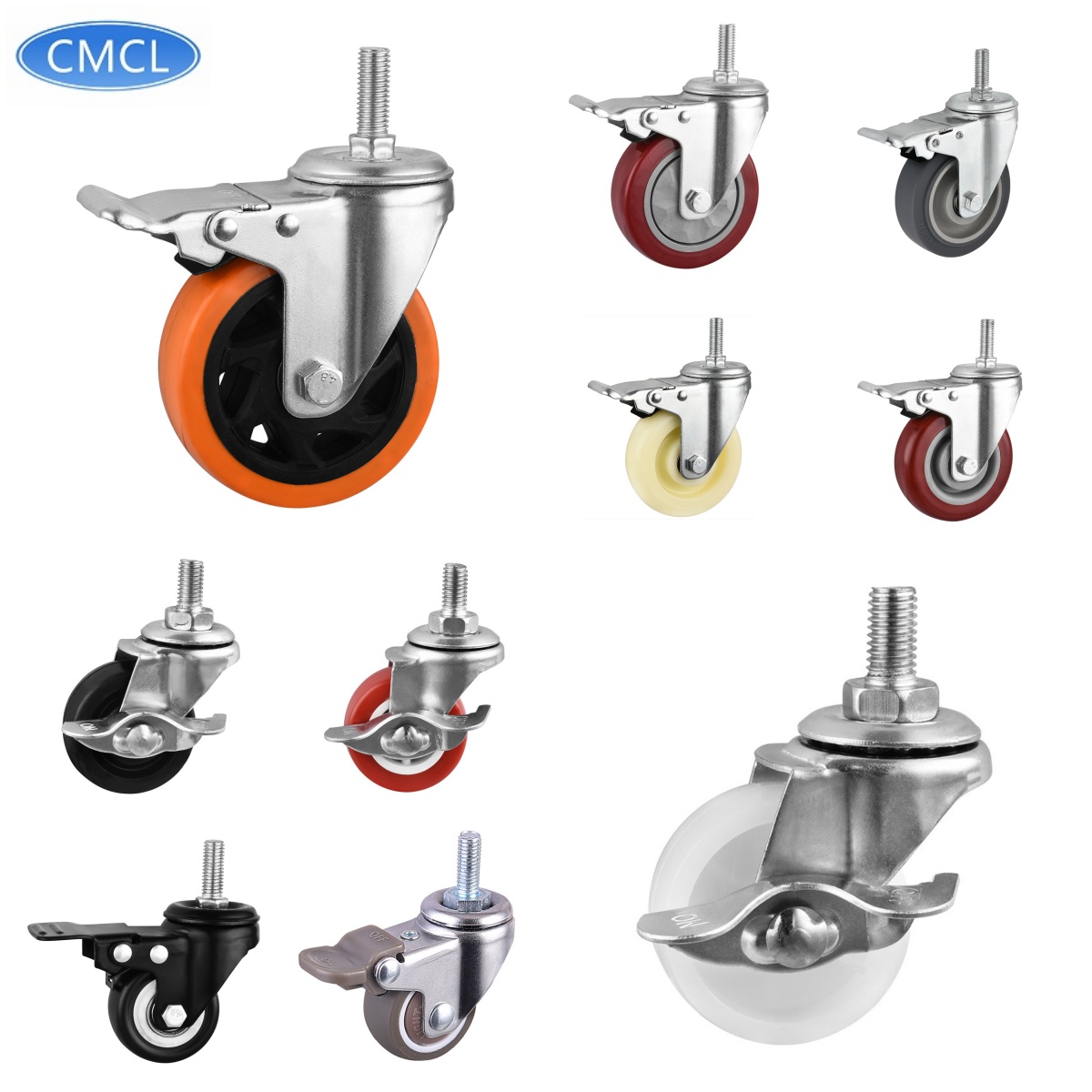
When a heavily loaded cart starts to wobble on a warehouse floor, the problem usually isn't the cart—it's the casters. For operations that move thousands of pounds daily, stem caster wheels need to do more than just roll; they must endure shock, uneven surfaces, and constant abuse without failing. That's where choosing the right wholesale supplier makes all the difference. CMCL has built a reputation around heavy-duty stem casters that hold up under real-world stress, and this guide will walk you through what to look for before your next bulk order.
Why Stem Casters Handle Extreme Loads Without Breaking a Sweat
The real secret behind a stem caster's load capacity is the way it mounts. Instead of spreading force across a flat plate and a handful of bolts, a stem caster drives its mounting pin straight up into the equipment frame. That places the load path almost perfectly in line with the wheel's swivel axis, so there is no offset moment trying to bend the bracket or loosen fasteners. The result is a cleaner transfer of weight from the frame into the wheel, which keeps the caster stable even when the load pushes well past the rated limit.
Materials and internal geometry do the rest of the work. Heavy-duty stem casters typically pair a forged steel stem with a hardened raceway and dual ball bearings. The forged stem resists shear and bending far better than a stamped or cast alternative, while the bearings let the wheel rotate freely under several tons of pressure. Wheels made from cast iron or high-durometer polyurethane handle the ground contact without flattening or cracking, so the whole assembly rolls smoothly and steers with surprisingly little effort.
Choosing the Right Stem Size for Your Heavy-Duty Setup
Stem length tends to get treated like an afterthought, but on a heavy rig it changes how the whole front end behaves. Go too long and every rut or rock gets amplified through the bars; go too short and the steering can feel twitchy under a full load. A good starting point is 40–50 mm for bikes that carry gear or take repeated hits, then adjust based on how far you're reaching and how the bike settles into corners.
Clamp diameter matters more than most people expect. Many stock stems use a 31.8 mm bar clamp, but if you're running a tough 35 mm handlebar, the stem has to match, or you'll end up with shims that can slip under high torque. For heavy-duty use, a solid 35 mm clamp with at least four bolts gives a firmer grip and reduces the chance of the bar rotating on rough descents or after a hard landing.
Rise and construction are worth checking too. A zero-rise stem can put more weight on your wrists during long loaded climbs, while a slight rise—around 6 degrees—keeps the position manageable without making the front end vague. Forged or CNC-machined stems with steel hardware handle repeated stress better than budget cast options. If you swap bars or change travel, re-measure the stack and reach rather than copying the old stem's numbers, since a heavy setup shifts the bike's balance more than a light trail build.
Materials That Keep These Wheels Rolling Through Abuse
Ask any wheel engineer what separates a good wheel from a great one, and they'll point to the materials before the shape. The alloys and composites chosen for the barrel, spokes, and hub aren't just about weight savings—they're about surviving years of potholes, curb strikes, and heat cycles without cracking or warping. Forged 6061-T6 aluminum remains a favorite for its balance of strength and ductility, but some manufacturers are now blending in trace amounts of scandium or using 7075 aerospace-grade aluminum to push yield strength past 500 MPa. The real trick is in the heat treatment and grain flow: a well-forged wheel has a directional microstructure that resists fatigue far better than a cast counterpart, which is why you'll see forged wheels on rally cars and heavy-duty off-road rigs.
For extreme abuse, carbon fiber composites have moved from supercars to everyday performance vehicles, but not all carbon is equal. Pre-preg carbon with a high modulus fiber and a toughened epoxy matrix can absorb impacts that would shatter a cheaper wet-layup wheel. Some manufacturers use a hybrid approach—forging an aluminum center section and bonding a carbon rim—to get the best of both worlds. The key is managing the interface between materials: a poor bond or mismatched thermal expansion leads to delamination after repeated hard cornering. Interestingly, steel wheels never left the picture for commercial and military use, where ductility beats outright stiffness. A steel wheel might bend under a brutal hit, but it rarely fails catastrophically, and that predictability is sometimes more valuable than saving a few kilograms.
Beyond the base material, surface treatments and coatings play a silent role in longevity. A hard anodized layer on aluminum can prevent corrosion from road salt, while a ceramic-polymer clear coat reduces micro-scratches that become stress risers. Some off-road wheel makers now use a zinc-nickel plating under the powder coat, which survives gravel blasting far better than standard e-coat. It's not glamorous, but the difference between a wheel that looks beat after one winter and one that still rolls true after a decade often comes down to these hidden material choices.
Industrial Floors Demand More: A Look at Tread Options
Factory and warehouse floors face a daily assault that goes well beyond foot traffic. Forklifts pivot with loaded pallets, chemical spills eat at surface coatings, and constant vibration from machinery works loose any finish that wasn't built for the job. A smooth, polished slab that looks impressive in a showroom becomes a liability the moment a worker tries to stop a rolling cart or a drop of hydraulic fluid turns an aisle into a skating rink. That's why industrial tread options aren't an afterthought—they're the difference between a floor that lasts a decade and one that gets ripped out after two years.
The most practical tread systems embed aggregate directly into the coating while it's still wet. Broadcast quartz or aluminum oxide creates a sandpaper-like profile that holds up under steel-wheeled carts and gives boots a reliable grip even when damp. For areas with heavy chemical exposure, a troweled-on epoxy or polyurethane mortar with a coarse, rocky texture resists both abrasion and acid attack. Some facilities opt for a metal or ceramic bead broadcast, which offers a sharper bite for ramps or loading docks where slipping is especially dangerous. Each option trades off between cleanability—deeper textures trap dirt—and the level of slip resistance required for the specific task.
Choosing a tread isn't just about picking the roughest surface available. A floor in a food processing plant has to tolerate frequent hot-water washes and harsh sanitizers without losing its profile, while an automotive assembly area might need a smoother but still slip-resistant finish to allow easy movement of heavy tool carts. The right call often comes down to measuring coefficient of friction under realistic conditions—with oil, water, or metal shavings present—and then pairing that data with a maintenance plan that won't wear down the texture prematurely. Skip that step and you're left with a floor that looks tough on day one but turns treacherous by the first change of season.
Installation Pitfalls That Shorten Caster Life—and How to Avoid Them
Over-tightening is a quiet killer. When mounting plate casters, the impulse is to crank down every bolt to "make it solid." But the bolts only need to clamp the plate flat, not compress the raceway. Over-torquing a top plate can warp the swivel race and leave the wheel fighting to turn. Use a torque wrench and match the bolt grade to the frame; anything beyond snug plus a quarter turn often sends side load straight into the bearing.
Another overlooked pitfall is using the wrong stem length on threaded stem casters. If the stem bottoms out in the mounting tube before the fork collar seats, the caster will lean and develop a shimmy within days. Conversely, a stem that's too short can let the whole assembly work loose. A quick way to avoid this is to fill the gap with a spacer rather than adding more washers at the top—extra washers just relocate the pivot point and accelerate race wear.
Floor condition during installation matters more than most people expect. Even a brand-new caster won't survive long if the mounting point isn't square to the rolling surface. Use a straightedge across the mounting plates before final tightening. If the floor is cracked, sloped, or covered in metal chips, address that first. Mounting a swivel caster on a tilted plate is like forcing it to steer uphill all the time; the race will groove, the wheel will flat-spot, and replacement will come months too soon.
Bulk Buying Smart: Quality Checks Before You Commit to a Wholesale Order
Most buyers get burned because they trust a glossy brochure or a single perfect sample. Before you sign off on a bulk order, run a few non-negotiable checks on the actual production line. Ask for three random units from the current batch, not the pre-approved golden sample. Look at seam allowances, button attachment, fabric grain, and whether the colours match your Pantone references under daylight. If the seller hesitates to send random pulls, treat that as a red flag—it usually means the quality varies between units.
Pay attention to the boring details that affect real customers: zipper smoothness, print registration, loose threads inside pockets, and the smell of the material after it has been sealed in polybags. A quick way to spot trouble is to order a small pilot run of 5–10% of your total quantity before committing to the full shipment. Use that pilot to check not just the product but also how the supplier handles packaging, labelling, and any last-minute substitutions. You would rather discover a crooked hem on fifty units than on five thousand.
Finally, set clear tolerance levels in writing—acceptable defect rate, colour variation, and dimensional drift. Insist on pre-shipment photos from the actual cartons, not stock images. If you can, hire a local inspection service for a few hours; it is cheaper than absorbing a container of unsellable stock. Bulk discounts mean nothing if you have to spend the savings on refunds and chargebacks.
FAQ
Stem casters mount via a single vertical stem that fits into a socket or hole in the equipment frame, while plate casters use a flat mounting plate with bolt holes. For heavy duty equipment, stem casters are often preferred because they allow a tighter connection with less lateral play, which matters when you're pushing loaded carts around a warehouse or factory floor.
You'll usually see threaded stems, grip ring stems, and friction ring stems. For genuinely heavy loads, threaded stems with a nut and lock washer tend to hold up best because they won't back out under constant vibration. Grip ring stems are fine for lighter carts, but I wouldn't trust them on anything carrying more than a few hundred pounds.
Some can, but only if the stem diameter, wheel material, and bearing type all match the load. Most standard stem casters top out around 600–800 lbs. For 1,000+ lbs, you need a heavy duty forged steel stem, precision ball bearings, and a wheel made from polyurethane or cast iron. Always divide the total load by the number of casters and add a safety margin of at least 30%.
For the wheel itself, polyurethane on a steel or aluminum core is a solid choice because it won't flatten under heavy loads and it resists chemicals. Cast iron wheels are great for extreme heat or rough floors but they're noisy and can damage epoxy coatings. The stem should be hardened steel, not mild steel, especially if you're dealing with side loads or frequent towing.
If you're replacing casters on multiple carts or running a maintenance operation, yes. Wholesale pricing on heavy duty stem casters can drop the per-unit cost by 20–40% compared to retail. The key is to buy from a supplier that lets you mix wheel sizes and stem types within the same bulk order, otherwise you'll end up with a hundred wheels that don't fit half your equipment.
Measure the stem diameter with calipers—not a ruler—because even a 1/16 inch difference can cause a loose fit or a stuck socket. Also measure the stem length from the bottom of the wheel fork to the end of the stem, not including the threads. And don't forget the thread pitch; a 1/2-13 stem and a 1/2-20 stem are not interchangeable.
On smooth concrete or sealed floors, a softer polyurethane tread (around 85 Shore A) gives good traction and a quieter ride. On rough or uneven floors, go with a harder tread like 95 Shore A or even cast iron, because soft wheels will chunk and tear. Always check whether your floor has expansion joints—wide gaps can destroy small caster wheels regardless of material.
Most heavy duty casters have sealed bearings, so you don't need to grease them. But you should still check the stem nut for tightness every month, remove hair or string wrapped around the axle, and inspect the wheel tread for flat spots. If a caster starts to wobble, replace it immediately—a wobbly caster on a heavy cart can overload the remaining three wheels and cause a sudden failure.
Conclusion
Heavy-duty setups rarely forgive weak components, and stem casters earn their keep by pairing a solid mounting stem with load-rated raceways and thicker fork legs. Instead of wobbling under pressure, a properly sized stem distributes force into the frame, so the wheel keeps rolling when pallet jacks, carts, or machinery hit their upper weight limits. Matching stem diameter and length to the mounting hole is non-negotiable; too short and the caster pivots erratically, too narrow and it hammers the socket until the fit slops out. Forged steel or ductile iron cores, combined with polyurethane or cast nylon treads, shrug off impacts, oils, and floor debris that would chew through lighter options.
Industrial floors punish treads differently depending on finish and traffic, so choosing between a softer polyurethane for smooth-rolling noise reduction and a harder phenolic or steel tread for rough concrete changes how long the wheel survives. Installation mistakes, from overtightening the stem nut to skipping a thrust washer, shorten service life faster than any load rating problem. Before committing to a wholesale order, check weld consistency, bearing seals, and swivel race play on samples from the actual batch—not just a showroom unit. Ask for load test data and compare the axle retention method; a caster that feels tight now but loosens after a hundred cycles will cost more in replacements than the initial savings justify.
Contact Us
Contact Person: Ruby
Email: [email protected]
Tel/WhatsApp: +86 13360379367
Website: https://www.cmcl-casters.com