

Chemical Industry Conferences in Asia: Your Ultimate Trade Show Guide for 2025
2026-05-26
Asia’s chemical sector is buzzing with innovation, and 2025 promises a packed calendar of must-attend events. But with so many trade shows vying for attention, how do you decide which ones truly deliver value? From Singapore to Shanghai, these conferences are where deals are made, trends are set, and the future of the industry takes shape. At the heart of it all, ICIF stands out as the definitive hub for chemical advancements, connecting global players with Asia's explosive growth. Whether you’re chasing new partnerships or the latest in sustainable chemistry, this guide will help you navigate the highlights – and uncover the one event you can’t afford to miss.
Beyond the Booth: What's Really Shaping Asia's Chemical Future
The traditional trade show circuit once defined how deals were made and partnerships forged in Asia's chemical industry, but that model is rapidly giving way to a more dynamic, digitally driven ecosystem. Today, the region's chemical future is being shaped not just by face-to-face meetings, but by real-time data analytics, supply chain transparency, and the push for circular economy solutions that transcend borders. Companies that still rely solely on handshake agreements are finding themselves outpaced by agile competitors who leverage digital platforms to anticipate market shifts and co-innovate with customers across the value chain.
Sustainability has moved from a buzzword to a boardroom imperative, with Asian chemical producers facing mounting pressure from regulators, investors, and end consumers to decarbonize operations and deliver greener alternatives. This shift is driving unprecedented investment in bio-based feedstocks, advanced recycling technologies, and green hydrogen, particularly in markets like China, India, and Southeast Asia. The ability to trace the carbon footprint of every molecule—from feedstock to final product—is becoming a competitive advantage, pushing the sector toward greater collaboration on standards and certifications that didn't exist a decade ago.
Perhaps the most underappreciated force reshaping the industry is the rapid transformation of Asia's workforce. As seasoned engineers retire, a new generation of digital natives is entering the field, bringing expectations of flexibility, purpose-driven work, and technology-enabled roles. This generational shift is forcing companies to overhaul their talent strategies, invest in upskilling, and create cultures that blend deep chemical expertise with software fluency. The winners in this new landscape will be those that can harmonize human judgment with machine intelligence, turning data into actionable insights faster than the competition, all while navigating the geopolitical complexities that define this vast and varied region.
The Human Side of Industrial Chemistry
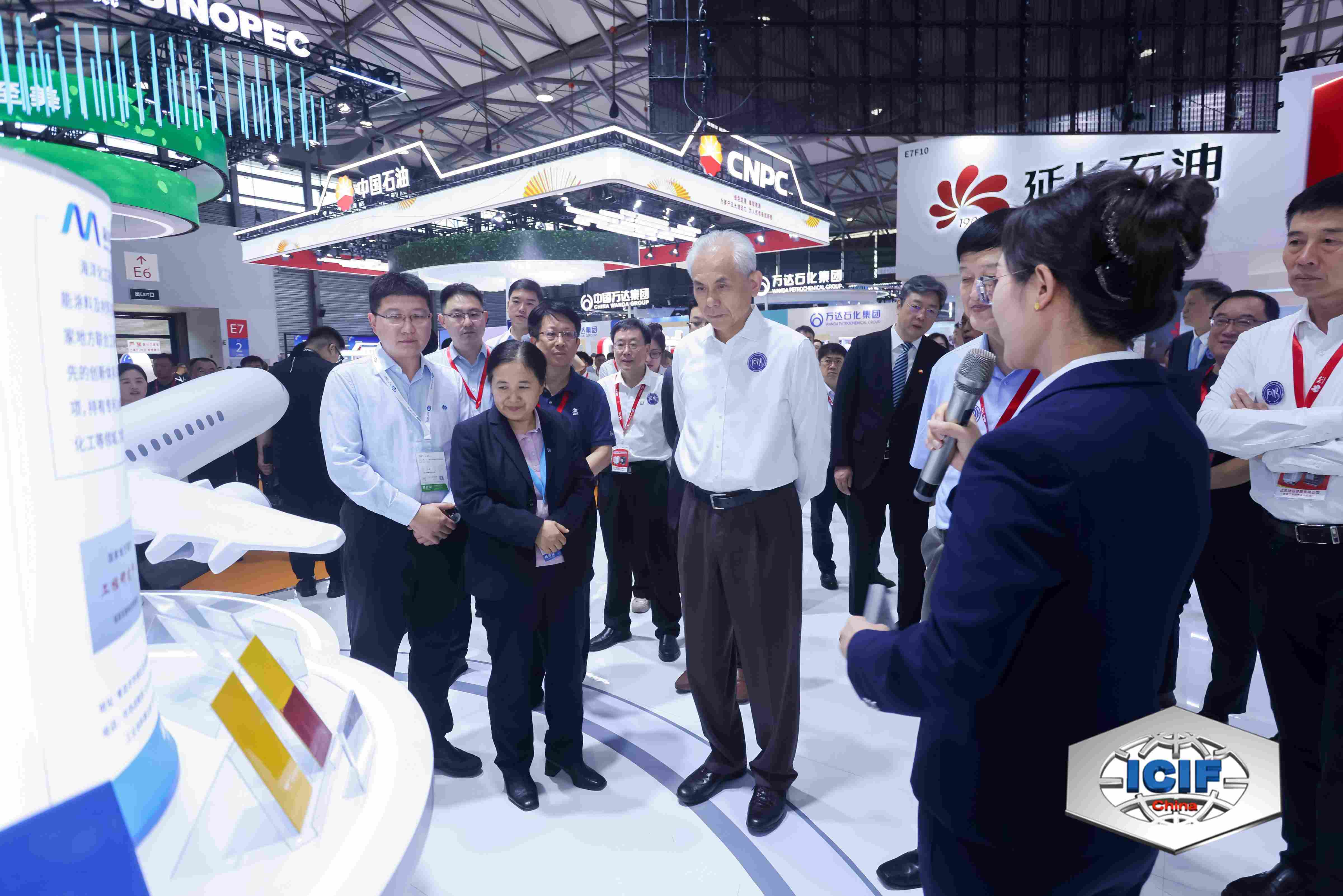
Industrial chemistry often conjures images of massive reactors, intricate pipelines, and sprawling plants, but at its core, it is a deeply human endeavor. The scientists and engineers who design these processes are driven not just by technical challenges, but by a sense of responsibility—to create materials that improve daily life, to make manufacturing safer, and to steward the planet’s resources. Behind every polymer, pharmaceutical, or fuel lies a story of collaboration, curiosity, and the quiet determination of individuals who see chemistry as a tool for building a better world.
What rarely makes it into textbooks is the texture of life in the lab and on the plant floor: the midnight troubleshooting sessions when a reactor won’t behave, the shared coffee and camaraderie that bridge disciplines, or the spark of joy when a color-change signals success. These moments remind us that industrial chemistry isn’t just about molecules and money—it’s about people navigating uncertainty, learning from failure, and passing down hard-won wisdom to the next generation. The field thrives because someone, somewhere, cares enough to ask, “What if we tried it this way?”
As we look to the future, the human side becomes even more critical. Automation and AI will transform production, but they can’t replace the ethical judgment needed when deciding which products to pursue, or the empathy required to understand how a community is affected by a plant’s presence. Industrial chemistry’s greatest asset has always been its people: their creativity, their conscience, and their commitment to something larger than themselves. That’s the real catalyst that keeps the reaction going.
Decoding the 2025 Agenda: Sessions You Can't Skip
The 2025 lineup has some real curveballs you might overlook if you rely on the glossy brochure. One session that caught us off guard is the deep dive into post-quantum cryptography — it’s not just a theoretical lecture, but a hands-on workshop where you’ll build a simple secure messaging app. Another unmissable room is the panel on bio-digital convergence, where a neuroscientist, a game designer, and an AI ethicist hash out what it means when your thoughts can directly control virtual worlds.
If you’ve ever sat through a keynote that felt like a rehash of last year’s whitepaper, you’ll appreciate how the agenda flips the script. The ‘Unconference’ track lets attendees pitch and vote on breakout topics in real time — last time someone ignited a standing-room-only debate on carbon-aware coding. And don’t sleep on the ‘Failure Confessions’ segment, where CTOs openly dissect their most expensive mistakes. It’s raw, it’s practical, and it’ll save you from repeating them yourself.
Finally, for those tired of passive listening, the immersive simulations running all three days are a must. Imagine stepping into a full-scale replica of a smart city and testing your policy ideas against live data streams. Or joining a crisis response exercise where you coordinate AI drones with actual emergency managers. These aren’t demos — they’re pressure cookers designed to push you out of your comfort zone. Skip the generic networking lunch and get in line early for these; they cap attendance to keep the experience intense.
From Lab to Market: Accelerating Commercialization
Turning a breakthrough discovery into a viable product often stalls not because the science is flawed, but because the path from bench to buyer is riddled with unforeseen friction. It's rarely a clean, linear progression and more a messy translation of potential into practice. The core challenge lies in aligning three distinct tempos: the exploratory rhythm of research, the iterative sprint of prototyping, and the relentless pace of market demand. Skipping the messy middle—customer discovery during technical refinement, or supply chain mapping before a minimum viable product exists—keeps too many innovations in the valley of death.
We've found that accelerating commercialization demands a deliberate shift from technology-push to market-pull thinking. Instead of asking "How do we make this work?" teams that move fast begin with "Who will pay for this, and what exactly are they buying?" This reframing forces early exposure to economic reality, stripping away assumptions about value. It means co-developing with lead customers who have skin in the game, treating their operational headaches as the true design constraints, and embedding regulatory and manufacturability conversations months before they'd appear on a traditional Gantt chart.
Speed comes not from cutting corners but from parallel processing the non-linear bits. While a core team matures the technology, a separate commercial stream tests pricing, distribution channels, and messaging with real decision-makers—not just survey respondents. The insights loop back immediately, sometimes pivoting the technical direction before sunk costs calcify opinions. This dual-track rhythm, uncomfortable as it is, turns commercialization from a sequential handoff into a continuous conversation between what's possible and what's needed. The labs that win aren't just the ones with the brightest inventions, but those that treat commercialization as a design discipline from day one.
The Green Chemistry Revolution in Asia
Across Asia, a quiet yet profound shift is taking root in laboratories and factory floors alike: chemistry is turning green. No longer confined to academic journals, the principles of green chemistry—waste prevention, safer solvents, energy efficiency—are being woven into the fabric of industrial production. From the spice markets of India to the semiconductor hubs of Taiwan, a new generation of scientists and engineers is reimagining how we create the materials that power modern life, not with brute force petrochemicals, but with enzymes, sunlight, and ingenuity.
What sets Asia’s green chemistry movement apart is its sheer diversity of approaches. In China, biomanufacturing clusters are converting agricultural waste into biodegradable plastics, turning rice husks into resource. Meanwhile, Japan’s fine chemical sector is perfecting flow chemistry reactors that cut solvent use by ninety percent, a quiet efficiency gain that ripples through supply chains. Thailand’s palm oil refineries, long criticized for environmental toll, are now pioneering bio-based surfactants that perform as well as synthetic ones but break down harmlessly. It’s not a single silver bullet but a thousand local experiments—each tailored to regional biomass, industrial legacies, and cultural attitudes toward sustainability.
The revolution, however, isn’t just technical; it’s cultural. In boardrooms, the language is shifting from compliance to competitive advantage. A Korean beauty company reformulated its entire product line around green chemistry principles not because regulators demanded it, but because consumers walked away from petrochemical-derived ingredients. Across Southeast Asia, small and medium enterprises are leapfrogging legacy technologies, building bio-refineries that could make rural communities the new petrochemical hubs of a decarbonized world. The green chemistry revolution in Asia isn’t a distant goal—it’s a mosaic of pragmatic, profit-aligned changes, each one proving that safer, cleaner chemistry is not the enemy of growth, but its next frontier.
Navigating the Exhibition Floor Like a Pro
When you first step onto the exhibition floor, the vast expanse of booths and the buzz of activity can feel overwhelming. Instead of diving in headfirst, take a moment to orient yourself. Grab a show map and circle the must-see exhibitors, but leave room for serendipity. Pro tip: walk the perimeter first to get a lay of the land, then weave through the aisles in a logical pattern. This simple habit saves time and energy, letting you focus on meaningful conversations rather than backtracking.
Timing is everything on a busy show floor. Early mornings often offer quieter moments to connect with key contacts before the crowds surge, while late afternoons can be golden for impromptu demos when booths are less hectic. Keep an eye on the ebb and flow—snag a coffee when lines are short, and don't schedule back-to-back meetings without a buffer. A lightweight bag and comfortable shoes are non-negotiable; you’ll thank yourself after eight hours of walking and standing. And remember, the best discoveries often happen in the smaller, less flashy corners, so give every aisle a chance.
Networking isn't just about collecting business cards; it's about crafting genuine connections. Approach each booth with curiosity—ask about the story behind the product, not just the specs. Jot down a quick note on the back of each card to recall the conversation later. If someone offers a hands-on demo, say yes even if it’s outside your field; you never know what idea might spark. Finally, know when to step away for a break. A quick recharge in a quiet spot can sharpen your focus for the remaining hours, turning a good day on the floor into a truly productive one.
FAQ
The region’s booming manufacturing sectors, massive infrastructure investments, and shifting supply chains are drawing in companies from every corner of the globe. You’ll find events here that blend raw material sourcing, specialty chemical innovation, and regulatory updates all under one roof, often at a scale you simply don’t see elsewhere.
Look into Chemspec Asia in Shanghai for fine and specialty chemicals, or the Asia Petrochemical Industry Conference if your work touches base chemicals. For coatings and adhesives, the ChinaCoat series provides deep dives into formulations and application tech. Each draws a different crowd, so align the event with your R&D and procurement priorities.
Many have introduced dedicated green chemistry tracks, carbon-neutral pavilions, and forums where you can hear from regulators directly. It’s not just talk—you’ll walk away with case studies on bio-based feedstocks, circular economy models for plastics, and practical compliance strategies that fit Asian markets.
Nothing beats the serendipity of face-to-face when you’re navigating complex B2B relationships. At a physical trade show in a hub like Singapore or Mumbai, you end up chatting with potential distributors over coffee, spotting a competitor’s new product right there on the floor, and building trust that Zoom calls just can’t replicate.
Beyond the giants like ICIF China, keep an eye on regional gatherings like the Vietnam International Chemical Industry Exhibition or the Middle East & Asia Chemical Forum. These are smaller, but you’ll often meet high-level decision-makers from local manufacturing clusters and get early signals on emerging Southeast Asian demand.
Start by reverse-engineering the exhibitor list—flag 10–15 must-see booths and pre-book short meetings via the event app. Bring plenty of bilingual business cards and a clear list of technical specs or sourcing targets. Factor in at least one day just for wandering, because some of the best leads come from those unplanned conversations.
Conclusion
Asia's chemical industry is at a pivotal moment, where innovation, sustainability, and human connection converge to redefine the sector. Beyond the flashy exhibition booths and corporate branding, the 2025 trade shows offer a deeper narrative—one that focuses on the collaborative intelligence shaping tomorrow's markets. It's no longer just about product showcases; the real value lies in understanding the cultural and technological undercurrents driving the region. From fostering meaningful cross-border partnerships to addressing workforce safety and talent development, the human side of industrial chemistry takes center stage. As you plan your conference schedule, don't miss the sessions that decode future regulatory landscapes, circular economy models, and advanced material breakthroughs—these are the conversations that will separate industry leaders from followers.
The journey from laboratory breakthrough to commercial success can be daunting, but this year's agenda is packed with real-world case studies and practical roadmaps for accelerating commercialization. At the same time, Asia is spearheading the green chemistry revolution, with presentations highlighting bio-based feedstocks, low-carbon processes, and eco-friendly products that balance profitability with planetary health. Navigating the sprawling exhibition floor requires more than a random stroll; savvy attendees will map out key pavilions, attend live demos, and engage in spontaneous tech talks. This guide equips you with the strategies to transform a passive visit into a dynamic learning and networking experience, ensuring you leave with actionable insights and a reinvigorated perspective on the future of chemicals.
Contact Us
Contact Person: Shaozhen Zhou
Email: [email protected]
Tel/WhatsApp: 0086-18612117599
Website: https://en.icif.cn/