

China Food Grade Fumed Silica: Essential Benefits and Uses in Food Manufacturing
2026-11-16
What keeps powdered drink mixes free-flowing through months of humid storage? Why doesn’t your spice blend turn into a solid brick inside the packet? The answer often points to one unsung ingredient: China food grade fumed silica. At Zhonglian, we’ve watched this ultra-fine powder solve real production headaches—clumping, poor flow, moisture pickup, and unstable textures—without altering taste or odor. Let’s take a closer look at the essential benefits and everyday uses that are making it a staple in food manufacturing.
What Sets Food-Grade Fumed Silica Apart from Industrial Grades
The difference starts in the purity profile. Food-grade fumed silica is produced under tightly controlled conditions that limit heavy metals, residual reactants, and other contaminants to levels recognized as safe for direct and indirect food contact. Industrial grades may share a similar chemical backbone, but their impurity thresholds are simply not designed with ingestion or long-term dietary exposure in mind.
Another key distinction is how each grade behaves in real formulations. Food-grade versions are engineered for consistent particle size distribution and surface chemistry, which matters when you need reliable anti-caking, thickening, or free-flow performance in powdered drink mixes, seasonings, or nutritional supplements. Industrial grades often prioritize cost efficiency and bulk handling over that kind of batch-to-batch precision.
The regulatory footprint also differs sharply. Food-grade fumed silica carries documentation and testing that align with food additive standards, giving manufacturers a clear path for compliance. Industrial material, on the other hand, may never undergo the same level of toxicological review or identity verification, making it unsuitable for anything that ends up on a plate or in a package touching food.
Keeping Powdered Ingredients Free-Flowing Without Clumping
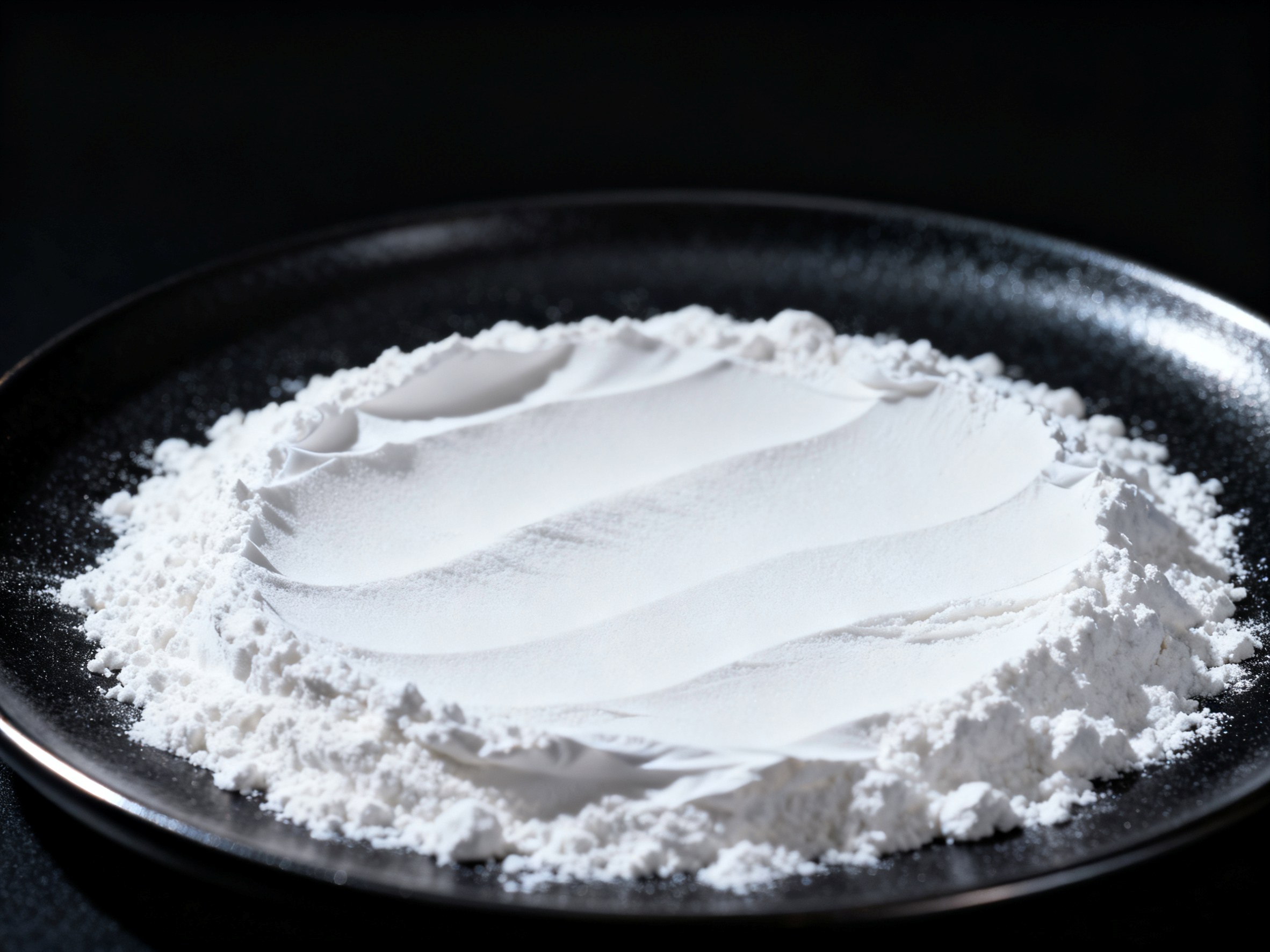
Powdered ingredients clump when moisture gets a foothold, so the first line of defense is controlling humidity around storage. Airtight containers with a rubber gasket beat twist-on lids, and adding a few food-safe desiccant packets or a spoonful of dry rice wrapped in cheesecloth can absorb stray dampness before it reaches the powder. If you live in a humid area, avoid storing powders near the dishwasher, stove, or any spot that cycles through temperature swings—condensation is often the quiet culprit behind hard lumps.
For ingredients that stubbornly cake, like powdered sugar, spices, or protein powders, a little physical help goes a long way. Drop a clean marble or a stainless steel whisk ball into the container and shake it gently before each use to break up nascent clumps. Sifting or whirring in a dry blender also restores texture, but if you want to prevent recurrence, mix in a small amount of a natural anti-caking agent: cornstarch works for powdered sugar, rice flour for salt, and calcium silicate or silica gel packets (kept separate) for bulk storage.
Sometimes the fix is about how you handle the powder from the start. Always use a dry spoon or scoop, never breathe into the container, and avoid leaving the lid off longer than necessary. If you're storing something for months, consider portioning it into smaller jars so you're not repeatedly exposing the whole batch to fresh air. These habits don't require fancy equipment, just a bit of attention to moisture and movement, and they'll keep everything from cocoa to baking soda pouring smoothly months down the line.
Stabilizing Emulsions and Suspensions in Liquid Foods
In many liquid food products, keeping oil droplets or solid particles evenly distributed is more art than formula. A vinaigrette that separates overnight, a cloudy juice that clears in the bottle, or a spice blend that settles at the bottom of a sauce all point to the same underlying challenge: preventing phase separation without sacrificing taste or mouthfeel. The usual route involves adding emulsifiers, thickening agents, or both, but the choice depends heavily on the specific food matrix. For example, mustard works wonders in a homemade dressing because it contains natural mucilage and protein that coat oil droplets, while a commercial almond milk often relies on gellan gum or lecithin to keep finely ground nuts from sinking.
Beyond single additives, the real stability often comes from interactions among ingredients that are rarely obvious from the label. In a creamy soup, a small amount of starch from potatoes or rice can act as a protective colloid, increasing the continuous phase viscosity just enough to slow droplet movement. But too much starch gives a pasty texture, so formulators may pair it with a tiny amount of xanthan gum, which creates a weak gel network that suspends solids even at rest. Temperature and pH also shift the balance: a salad dressing that stays homogeneous in the refrigerator might break when spooned over warm vegetables, simply because the emulsifier's hydrophilic-lipophilic balance shifts with heat. Small-batch producers often discover that what works in a test kitchen falls apart on a production line, where shear forces during pumping or filling can undo a carefully built emulsion.
A less-discussed approach is to design instability out of the product by adjusting the particle size or droplet distribution before packaging. Homogenization at high pressure reduces oil droplets to a narrow size range, which slows creaming by minimizing differences in density-driven movement. In chocolate milk, for instance, the combination of homogenization and a small dose of carrageenan keeps cocoa particles from sedimenting for weeks, even though carrageenan alone cannot fully suspend them. Some modern products turn to plant-based proteins like fava bean or pea isolate, which adsorb at oil-water interfaces and provide steric hindrance, though their performance varies with source and processing. Ultimately, stabilizing a liquid food is less about finding one magic ingredient and more about understanding the quiet competition between gravity, interfacial tension, and the rheology of the surrounding liquid.
How China’s Food Safety Regulations Shape Fumed Silica Production
China’s food safety framework treats fumed silica not as a bulk chemical but as a substance that may migrate into food when used in packaging films, coatings, or seals. Under GB 4806.1, food contact materials and articles must not transfer constituents in amounts that endanger human health or change food composition, taste, or odour. For fumed silica producers, this means the product has to meet food-contact purity expectations before it ever reaches a converter. Raw material silanes and chlorosilanes are selected for lower heavy metal profiles, and the final silica is screened against the positive list logic of GB 9685, which effectively pushes manufacturers to create dedicated food-grade grades rather than simply relabelling industrial output.
Production routines shift once a line is qualified for food contact use. The general hygiene code GB 31603 becomes a daily operating boundary: cleaning procedures, controlled access, and segregation from non-food intermediates are no longer optional. Process air, water, and packaging materials are monitored to avoid cross-contact, while residual chloride and low-molecular-weight siloxane content are kept within tight internal limits because they influence both migration performance and sensory neutrality. Batch records are extended backward to raw material certificates and forward to finished product shipment, so a single lot of fumed silica can be traced through every step if a migration test raises a question.
Compliance testing also steers how the product is made. Migration limits for heavy metals such as lead, cadmium, arsenic, and mercury are applied against the intended end use, so the silica must perform consistently across different polymer matrices and temperature conditions. Producers often invest in lower-surface-area or surface-treated variants to reduce interaction with food simulants, and they may pre-test the silica in representative plastics or coatings before release. This regulatory pressure rewards plants that can document low extractables and stable process control, gradually separating food-contact fumed silica from general-purpose material in both manufacturing discipline and market positioning.
Everyday Applications: From Dry Seasonings to Nutritional Supplements
Many people don’t realize how often they rely on powdered and granulated products in their daily routines. A simple sprinkle of garlic powder into a simmering pasta sauce or a measured scoop of protein powder into a morning smoothie both depend on the same underlying principle: turning a raw ingredient into a free-flowing, easy-to-dose form. This quiet transformation makes it possible to keep a spice rack stocked for months without clumping, or to carry a single-serving packet of electrolyte mix on a long hike without worrying about spoilage.
The shift from dry seasonings to nutritional supplements is more natural than it might seem. Both categories value consistency, shelf stability, and precise portion control. For seasonings, that means a teaspoon of onion powder tastes the same in December as it did in June. For supplements, it means every capsule of vitamin D or scoop of collagen peptides delivers the same active amount, batch after batch. In home kitchens and gym bags alike, the goal is similar: get the right amount, every time, without fuss.
What often goes unnoticed is how this convenience shapes everyday habits. A busy parent can shake a balanced blend of dried herbs into a weeknight casserole, just as a commuter can stir a fiber supplement into a bottle of water at a desk. Both actions take seconds, yet they rely on careful processing—milling, blending, and sometimes agglomeration—to keep the product loose, uniform, and pleasant to use. In that sense, the same engineering that keeps your chili powder from turning into a brick also keeps your daily multivitamin from clumping in the jar.
Evaluating Purity and Consistency When Sourcing from Chinese Suppliers
Assessing the actual purity of raw materials from Chinese suppliers goes far beyond the numbers on a certificate of analysis. Too often, buyers rely on a single batch report and assume every future shipment will mirror it. A more reliable approach involves requesting retained samples from at least three recent production runs and comparing their lab results side by side. If the variance in active ingredient content or impurity profiles exceeds a narrow band, that supplier may lack the process controls needed for long-term partnerships. Don't accept vague explanations like "natural variation" without seeing the underlying batch records.
Consistency, on the other hand, is best evaluated through a supplier's willingness to open up about their sourcing and blending practices. Ask where the base material originates, how it is stored before processing, and whether different grades are ever mixed to hit a target specification. A supplier who hesitates to answer these questions or provides only marketing-style reassurances is often hiding inconsistent input streams. Consider sending a small trial order first, then a repeat order two months later, unannounced. The difference in physical appearance, particle size, or solubility between the two shipments will tell you more than any factory audit.
One underused tactic is to ask for the supplier's own internal rejection rate for the specific material you are buying. No factory is perfect, but a transparent supplier will share a realistic figure, such as 2-3% of batches failing their in-house purity check. If they claim a zero rejection rate over several years, treat that as a red flag rather than a sign of excellence. True consistency comes from catching and quarantining off-spec material before it reaches the customer, not from pretending every batch is flawless.
FAQ
Food grade fumed silica is produced through flame hydrolysis, which creates extremely small, spherical particles with a huge surface area. This gives it a much stronger ability to coat powder particles and keep them flowing freely compared to precipitated silica or other common anti-caking additives. It is also highly pure and inert, so it won’t react with food ingredients.
Chinese suppliers have invested heavily in advanced production lines that deliver consistent particle size and purity at competitive prices. Many of them also comply with international food safety standards and can provide the necessary documentation for regulatory checks, making them a practical choice for global buyers.
No, because it is chemically inert and does not dissolve or interact with flavor compounds. Even when used at typical levels in drink mixes or seasonings, it leaves no aftertaste and does not mask the intended flavor profile.
It primarily acts as a free-flow agent and anti-caking agent, preventing lumps in powders like spices, creamers, and protein blends. It can also serve as a carrier for liquid flavors or vitamins, turning them into easy-to-handle dry powders, and it helps stabilize suspensions in certain liquid products.
By adsorbing moisture and creating a physical barrier between particles, it stops clumping and hardening that often happen during storage. This keeps the product pourable and visually appealing for a longer time, and it also protects hygroscopic ingredients from degrading due to humidity.
Yes, it is widely recognized as safe. In the United States, it is generally recognized as safe (GRAS) for specific food uses, and the European Union lists it as E551 with defined limits. China also permits it under GB 2760 for various food categories, so manufacturers can rely on established safety evaluations.
You’ll find it in powdered milk and coffee creamers, instant soup mixes, grated cheese, sugar substitutes, spice blends, and dietary supplement powders. It’s also used in some liquid products like edible oils to remove impurities or improve clarity, though dry applications are more common.
Look for certificates like ISO 22000 or FSSC 22000, detailed specifications on heavy metals and microbial limits, and batch-to-batch consistency data. A reliable supplier should also offer technical support for your specific formulation and be transparent about traceability and logistics.
Conclusion
In China’s food manufacturing sector, food-grade fumed silica plays a quiet but critical role in preserving product quality. Unlike industrial variants, which may carry higher traces of metals or other contaminants, the food-grade material is produced under stricter hygiene controls and meets national food additive standards. This distinction matters most in dry powder applications: a tiny addition of fumed silica coats individual particles, preventing moisture-driven clumping and keeping seasonings, spice blends, and powdered drink mixes free-flowing from processing through the consumer’s spoon. Beyond dry goods, it also stabilizes emulsions and suspensions in liquid foods, helping oil- and water-based phases stay uniformly dispersed without unwanted separation.
Chinese regulation, particularly GB 1886 standards for food additives, shapes how domestic manufacturers validate purity and consistency. Suppliers are expected to provide batch-level documentation covering heavy metal limits, loss on ignition, and particle size distribution. In everyday products, this translates into more reliable nutritional supplements, instant soups, and grated cheese blends that resist caking even in humid conditions. When sourcing from Chinese producers, buyers should look beyond price and ask for full certificates of analysis, third-party testing records, and stable production histories. A supplier that can demonstrate tight control over surface area and residual chloride levels is far more likely to deliver the functional performance that modern food manufacturing demands.
Contact Us
Contact Person: Levin Wang
Email: [email protected]
Tel/WhatsApp: 8618668999988
Website: https://www.silicaplant.com/