

Flexo Printing Machine for Plastic BOPP Export Trends and Buyer Essentials
2026-11-24
Plastic BOPP film demands precision, speed, and consistency at every meter. For exporters sourcing flexo printing machines, one misjudged roller or tension setting can quietly drain profit across entire container loads. Rather than rehashing generic specs, this guide looks at the export trends shaping buyer decisions in 2025 — from shifting regional compliance demands to hidden cost drivers in shipment and installation. If you are comparing equipment for high-volume BOPP work, HuiPeng has focused on exactly the kind of durable, high-register systems that reduce downtime where it matters most. Read on for the buyer essentials that separate a machine that prints from one that performs under real production pressure.
BOPP Work Is Moving Faster Than Most Flexo Specs Allow
BOPP production lines once operated at a pace that gave flexo printing plenty of room to breathe. That cushion has vanished. Speeds that were considered aggressive five years ago are now routine, yet most flexo specifications haven't been rewritten to match. The result is a constant undercurrent of compromise: operators push equipment beyond its official limits, inks dry too slowly in the shrinking gap between stations, and registration errors become almost impossible to eliminate through standard adjustments.
What makes this shift especially tricky is that it rarely announces itself. A line creeps from 300 to 380 meters per minute, then someone tweaks a tension setting, and suddenly the old plate-mounting tolerances are no longer enough. The substrate itself starts behaving differently at higher speeds—web flutter increases, static builds faster, and the time available for solvent evaporation drops sharply. None of these changes are dramatic in isolation, but together they demand a level of precision that typical flexo gear wasn't designed to deliver.
The practical fix isn't simply buying faster machinery. It starts with rethinking the spec sheet as a living document rather than a fixed reference. Print trials need to be run at actual production speeds, not the conservative numbers printed in the manual. Plate materials, anilox volumes, and ink formulations all need rebalancing around the true operating tempo. Until that happens, converters will keep discovering the hard way that a press can outrun its own specifications long before anyone notices the gap.
Why More Export Orders Hinge on Changeover Time
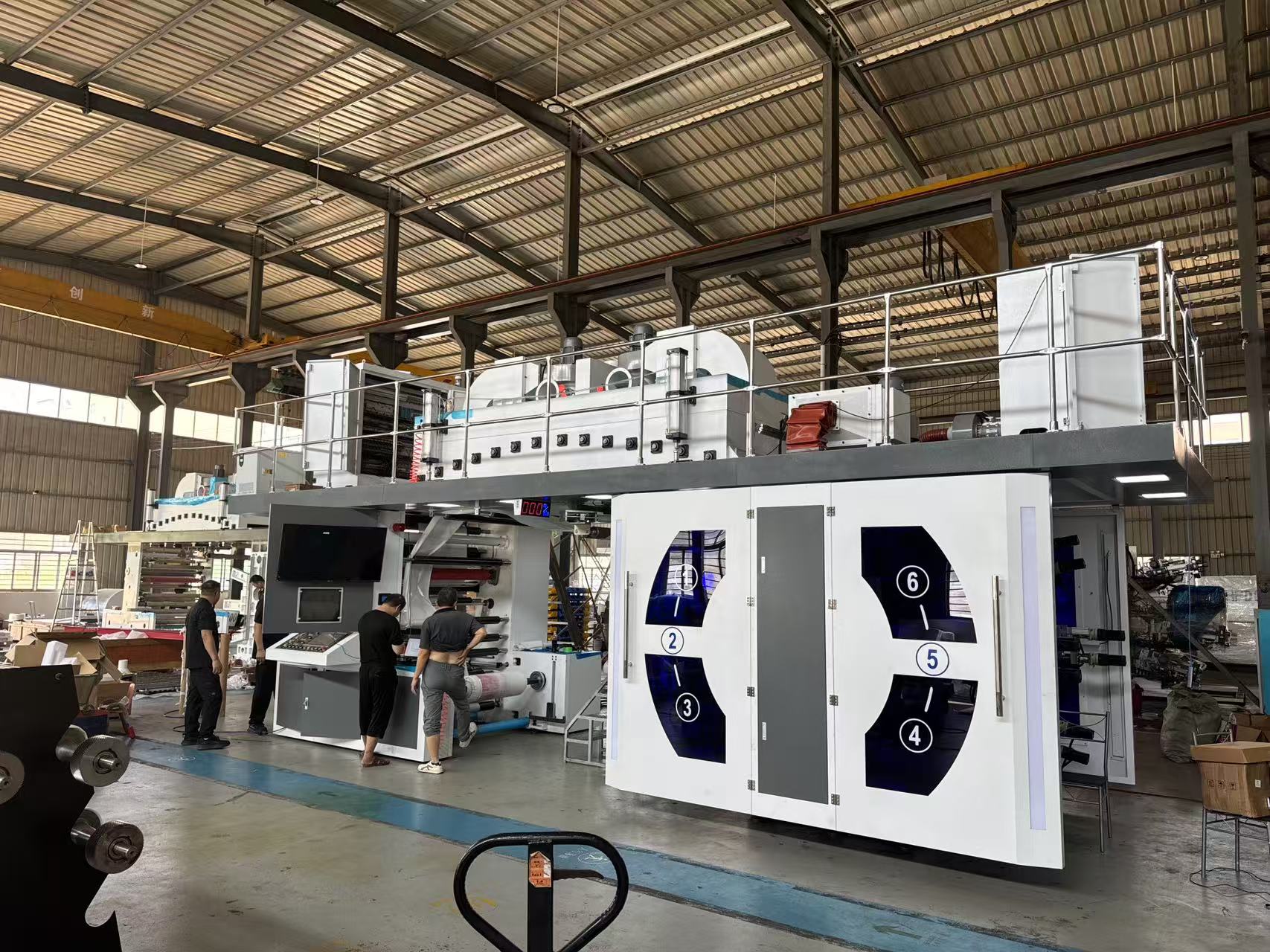
A factory that still treats changeover as a minor scheduling detail often misses why buyers place repeat orders elsewhere. When a line takes six hours to switch from one product variant to another, the real cost is not just labor downtime. It is the inability to accept mixed-container shipments, accommodate last-minute packaging tweaks, or promise shorter lead times without holding expensive finished inventory. Export buyers notice this quickly because their own stock planning depends on a supplier that can absorb variability instead of demanding long, fixed production runs.
Changeover time also shapes how a supplier responds when an order is already locked into the production plan. A short setup window means rework, label changes, or a sudden shift in carton dimensions can be handled mid-week rather than postponed to the next planning cycle. That flexibility becomes a quiet competitive advantage in export markets where customs documentation, retail promotion dates, and regional compliance requirements regularly force late adjustments. Orders go to factories that can turn the line around without turning the whole schedule upside down.
The connection to export orders becomes even clearer when comparing two suppliers with similar unit prices. The one with faster changeovers can quote smaller minimum order quantities, split shipments across SKUs, and still keep margins intact. Buyers increasingly value that because their own warehouses are less willing to absorb forecast errors. In practice, reduced changeover time shifts the conversation from price per piece to total landed cost per order, and that is often where the decision is made.
Pricing Isn’t Falling—But the Terms Are Quietly Shifting
The sticker price hasn’t moved much, but anyone reading past the first line of a contract will notice the ground shifting. Vendors are holding headline rates steady while tightening payment windows, reducing what’s included in base tiers, and quietly moving features that used to be standard into paid add-ons. It’s less a price hike and more a redrawing of what “the same” actually means.
Discounts are becoming more conditional. A renewal that used to carry an automatic loyalty reduction may now depend on longer commitments, higher minimum volumes, or bundling services you didn’t ask for. In some cases, the invoice total barely changes because the savings simply move from one line to another—lower unit cost, higher platform fee; fewer setup charges, more per-seat licenses.
The practical effect is that comparing vendors by quoted price has become less reliable. Two contracts with the same headline number can produce very different cash and operational outcomes once payment schedules, usage caps, and renewal clauses are weighed. Buyers who focus only on the rate are likely to miss the erosion happening in the fine print.
The Flexo Features Buyers Actually Probe on Calls
Most buyers skip the glossy spec sheet entirely. The first thing they ask about is registration stability over a long run, because a press that holds tight for five minutes can wander badly by hour three once the deck temperatures climb. They want to know whether operators are constantly chasing micro-adjustments or if the camera and controls actually settle the job down.
Changeover chatter comes next. They press for real figures on how long it takes to swap anilox rolls, wash out the ink system, and get the next job up to color. A press that needs two people and a full set of tools to change a chamber seal will kill a short-run shop, so buyers listen for hesitation when you describe the sequence.
Tension control on thin or extensible films tends to surface late in the call, usually after someone on the buyer's side mentions a recent wrinkle or snap-off. They also dig into drying and curing flexibility, especially when work spans water-based, solvent, and UV/LED inks. The features that get remembered are not top speed or maximum width, but the ones that prevent a midnight call from the operator.
Where Cross-Border Flexo Deals Stall Before Payment
Most cross-border flexo deals don't fall apart on price; they stall in the gap between a signed purchase order and the clearing bank. A common hold-up is the invoice itself. Buyers often ask for a description that matches their import license or tariff code, while sellers issue paperwork using their internal product names like '8-color CI press' or 'sleeve system.' When the bank or customs broker flags the mismatch, the payment sits untouched for days while someone reissues documents and chases stamps.
Another sticking point is the acceptance clause. Sellers want the balance paid before shipment or upon delivery to the port, but buyers may insist on payment only after the line is installed, running at speed, and signed off by a local operator. In markets where a technician cannot enter quickly or where training visits are delayed, that difference in wording becomes a standstill. Payment is not rejected outright; it simply waits behind a condition neither side can satisfy on the original timeline.
Currency movement and compliance checks add one more layer. A transfer can be approved in the buyer's system, then held at a correspondent bank because the remittance purpose is too broad or the beneficiary address doesn't match the contract. Some countries require additional proof of final use or a notarized sales agreement before releasing foreign exchange. Fixes are usually small—a corrected field, a bank reference, a revised pro forma—but until the paperwork aligns, the money does not move.
Support Promises That Decide Repeat Export Business
A delayed reply or a vague answer costs more than a lost order. In export, buyers often work across time zones and can't walk into your office when something goes wrong. The support you offer between purchase and delivery is what they remember when it's time to reorder. Clear timelines, direct answers, and a named contact who actually knows the shipment status turn a one-time buyer into a repeat account. When problems surface, the speed and honesty of your response departs from the usual "we are checking" loop and builds a quiet kind of trust that no catalog can advertise.
Repeat export business rarely comes from price alone. Many suppliers can match a target cost, but few can match the relief of knowing a production delay will be communicated before the buyer asks. Simple habits matter: confirming receipt of a purchase order within hours, sending real photos from the line when asked, and flagging a customs hold before it becomes a surprise. Buyers don't expect zero problems; they expect zero silence. A supplier who treats every after-sales question as a chance to prove reliability ends up with the kind of loyalty that survives even a competitor's lower quote.
The real differentiator is follow-through. When you promise a packing list by Tuesday, send it Monday afternoon. When you say the replacement parts are on the way, provide the tracking number without being reminded. These small, kept promises accumulate into a reputation that travels through procurement teams and industry referrals. In export, distance makes trust fragile, and every support interaction either reinforces or erodes it. Suppliers who treat support as part of the product, not an afterthought, are the ones buyers call first when the next order is on the table.
FAQ
A few overlapping forces are pushing converters in that direction. Shorter run lengths have made the quick changeover and lower plate costs more attractive than rotogravure, while improvements in plate and anilox technology have closed much of the quality gap. Add in solvent-reduction pressure and the ability to handle water-based or low-VOC inks, and flexo becomes a practical choice for flexible packaging lines that need to switch jobs frequently without rebuilding the workflow.
Southeast Asia, the Middle East, and parts of Latin America are particularly active right now. In many of those regions, local converters are expanding snack and label packaging capacity, often for domestic brands that do not require the extreme volume rotogravure is built for. Buyers there tend to favor mid-width machines with reliable web handling and straightforward maintenance, since spare parts and specialized technicians may be harder to access.
Tension control is the first thing to check because BOPP is thin and stretches under uneven load. A closed-loop system with independent tension zones is worth the extra cost. Drying capacity matters more than top speed for most buyers, especially if the press will run water-based inks. Chamber doctor blades, quick-change anilox sleeves, and a robust corona treater also tend to separate machines that perform well on film from those that only look good on a spec sheet.
One frequent mistake is comparing only the face price of the line. The quoted configuration may omit things like automatic registration, web cleaning, or a second dryer that are necessary for consistent BOPP work. Another is underestimating installation and training time. A machine that arrives without clear documentation or local support can sit idle for weeks over a minor electrical or software issue that a better supplier would resolve remotely in a day.
Look beyond the sales presentation and ask for after-sales response times, spare part stock locations, and whether remote diagnostics are standard. Speaking with current export customers in a similar climate helps because humidity and power stability affect electronics and drying. Also check whether the supplier has experience with BOPP specifically, not just paper or board, since film handling and tension behavior are different enough to expose generic engineering.
Expect wider use of fixed-palette extended gamut printing, which cuts ink inventory and wash-up time for short runs. More presses will be designed around LED-UV or low-energy drying, especially where emission rules are tightening. Automation in registration and defect detection is moving down-market quickly, so mid-size export machines will increasingly include camera systems that used to be premium options.
It depends on the condition of the existing frame and how much of the web path can be rebuilt. If the current press has solid side frames and a workable dryer, adding modern tension controls, a chamber doctor system, and new sleeves may be enough for some jobs. But if registration accuracy or drying is the bottleneck, a new machine built around film from the start usually costs less in the long run than forcing a paper press to handle BOPP.
Buyers often forget to define what counts as a successful installation and trial run. It is worth agreeing on measurable acceptance criteria, such as registration accuracy at a certain speed or waste levels during a job change, before the machine ships. Also clarify whether the warranty covers wear parts like doctor blades, anilox sleeves, and corona electrodes, because those can become a hidden expense within the first year.
Conclusion
BOPP film lines are now running at speeds that leave many standard flexo specs behind, and that gap is forcing export conversations to center on real production windows rather than catalog figures. A machine that needs frequent slowdowns or long ramp-ups quickly becomes a cost problem, especially when buyers compare cycle times across suppliers. Changeover has become the quiet battleground: more export orders are won or lost on how fast a printer can move from one repeat length or ink set to another, not just on rated output. At the same time, pricing is not dropping in any meaningful way, but the structure of the deal is moving. Buyers increasingly press for staged payments, extended commissioning support, or spare-part credits instead of headline discounts. That means the negotiable value sits less in the unit price and more in what the supplier is willing to absorb after shipment.
On calls, buyers ask less about broad features and more about specific failure points: doctor blade life, plate mounting repeatability, gearless tension control at thin gauges, and whether the drying system can hold color consistency at top speed. The deal often stalls not because the machine is rejected, but because cross-border payment, inspection rights, and installation milestones remain unclear. Exporters that define those steps early keep momentum. After the sale, repeat business usually follows support that is boring but dependable: fast remote diagnostics, clear spare-part lead times, and a technician who actually knows the BOPP tension quirks. Buyers remember whether the supplier stayed reachable when a job was stuck, and that memory shapes the next order more than any launch presentation.
Contact Us
Contact Person: Isaias
Email: [email protected]
Tel/WhatsApp: 86-13868693129
Website: https://www.hpflexo.com/