

Good Quality Air Slip Ring: Key Features to Look for Before Buying
2026-08-04
Ever wondered why some slip rings fail prematurely in demanding environments, while others keep performing flawlessly? When it comes to maintaining signal integrity and power transmission in rotating systems, air slip rings have become a go-to solution. But not all are created equal. Before you invest, it's crucial to know the key features that separate a reliable, high-quality air slip ring from the rest. At MOFLON, we've seen firsthand how the right design choices can make all the difference in aerospace, medical, and industrial applications. Let's explore what truly matters when choosing an air slip ring that won't let you down.
The Core of Smooth Rotation: What Makes Materials Matter
Achieving buttery-smooth rotation in mechanical assemblies isn’t just about precision engineering—it’s a direct conversation with the materials you choose. The inherent properties of the contacting surfaces set the stage: hardness, surface finish, and even porosity dictate how friction unfolds. For instance, a hardened steel shaft paired with a bronze bushing can offer a classic balance of strength and lubricity, but only if the grain structure and heat treatment are dialed in. Get the material match wrong, and even the tightest tolerances will feel rough or wear prematurely.
Beyond static properties, we have to think about how materials live under stress. Thermal expansion mismatches can turn a flawless fit into a binding nightmare once temperatures rise. And it’s not always about metals—polymers like PEEK or filled PTFE bring their own magic, offering chemical inertness and a natural slickness that metal-on-metal can’t touch. But they won’t hold up without careful thickening of sections to counter creep. The real art is in anticipating these interactions before they become problems.
Lubrication ties the whole story together, and the material dictates whether that’s even an option. Porous sintered metals can weep oil for a lifetime of maintenance-free motion, while some plastics are designed to run dry. Even the surface texture matters—microscopic valleys can hold a lubricant film, but too deep and you’re grinding peaks off. The core of smooth rotation isn’t found in a single perfect material; it emerges from understanding how material, finish, and lubricant dance together under load.
Contact Technology That Keeps Signals Clear
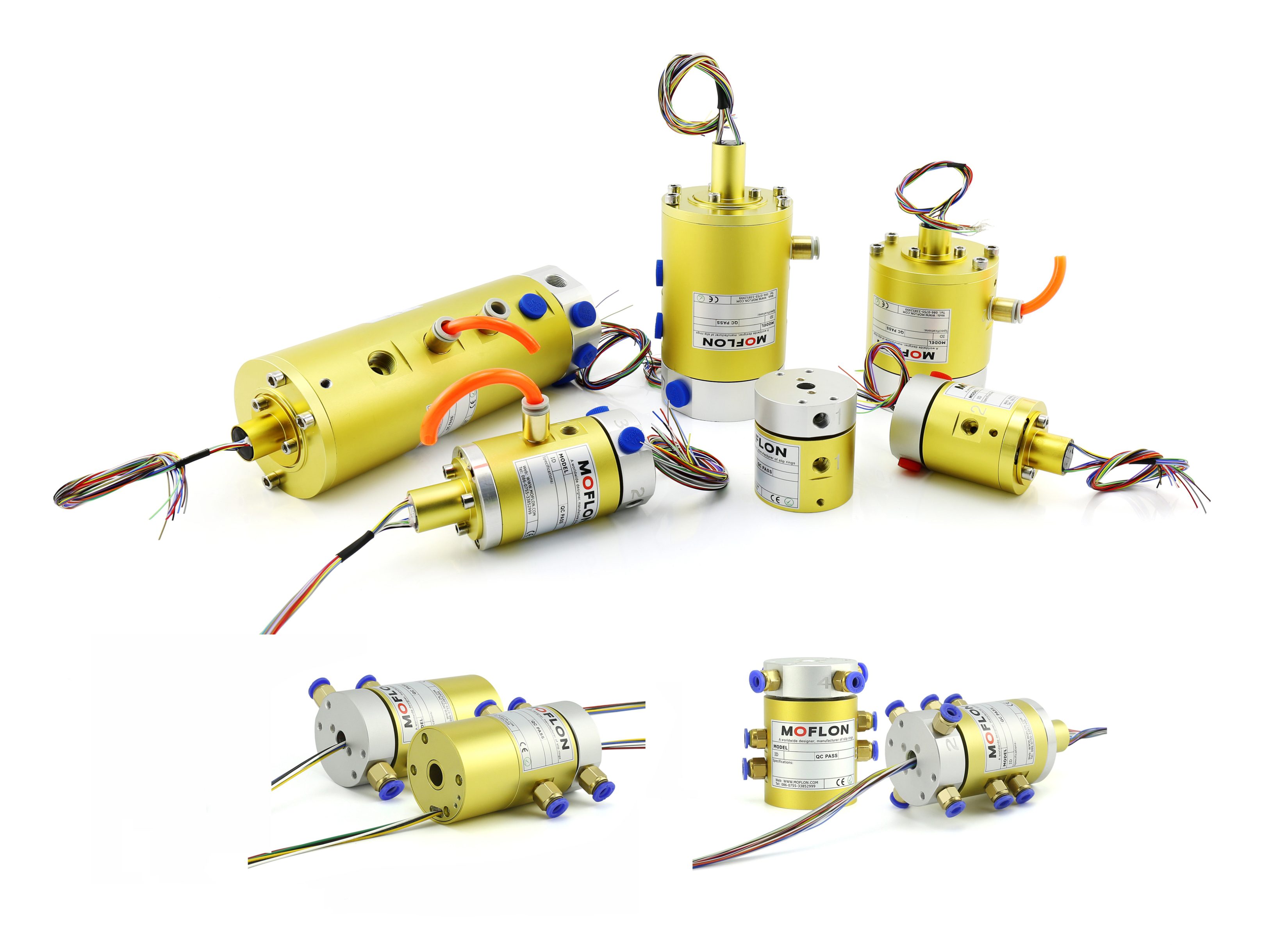
At the heart of every reliable connection lies contact technology engineered to preserve signal integrity. Advanced materials like gold-plated beryllium copper combine low contact resistance with exceptional durability, ensuring that signals flow without distortion even after thousands of mating cycles. The precision forming of contacts minimizes microscopic gaps, eliminating the intermittent micro-arcs that degrade high-frequency transmission. This attention to physical detail means your data passes through a virtually seamless path, free from the noise and reflections that plague lesser designs.
But materials alone aren’t enough—geometry plays an equally critical role. Angled lead-in surfaces and controlled wipe distances clean the contact areas with every insertion, scrubbing away oxides and contaminants that can impair conduction. Spring forces are meticulously calculated to maintain consistent pressure without causing undue wear, while clever shielding tricks isolate each signal path from its neighbors. It’s a mechanical ballet where every move protects the faint analog whispers that carry your digital information.
The real test, however, comes in hostile environments. Vibration, thermal shock, and airborne pollution all conspire to degrade connections over time. That’s why resilient contact systems incorporate multi-point redundancy and self-aligning features—so even if one point falters, the signal instantly finds another route. Combined with hermetic sealing options that lock out moisture and corrosive gases, this technology ensures clarity remains unwavering from pristine labs to dusty factory floors.
Durability Demands: Sealing Out Dust and Moisture
In demanding environments, even the smallest gap can spell disaster. Dust silently infiltrates sensitive electronics, grinding away at moving parts, while moisture accelerates corrosion and invites short circuits. A robust seal transforms a vulnerable enclosure into a fortress, blocking these invisible threats before they take hold. Achieving that level of protection isn’t about a single material or a quick fix — it’s a deliberate design approach that accounts for thermal cycling, vibration, and physical wear over time.
Engineers often turn to a layered defense: precision gaskets that maintain compliance under compression, adhesives that fill microvoids, and surface treatments that repel water at the molecular level. In outdoor installations, UV-resistant seals prevent cracking, while chemical-resistant barriers fend off industrial contaminants. The real challenge comes at seams, connectors, and access panels, where dynamic forces constantly test the seal’s integrity. By selecting materials that bond chemically and recover elastically, products withstand not just a single shower or dust storm, but years of relentless exposure.
Beyond material choice, the manufacturing process itself determines long-term performance. Seals molded in place eliminate assembly errors, while automated inspection catches surface irregularities invisible to the naked eye. Testing goes beyond laboratory ratings: thermal shock, cyclic humidity, and extended salt spray unmask weaknesses that field conditions ultimately reveal. When every component — from the smallest O-ring to the largest gasket — works in concert, the result is a product that simply keeps the outside world where it belongs.
Custom Fit: Why One Size Doesn’t Work in Slip Rings
Slip rings are often treated as generic components, but the reality is that each application imposes a unique set of demands. A wind turbine rotating at slow speeds under gusty conditions requires vastly different brush materials and contact geometries than a high-speed robotic arm executing thousands of micro-movements per hour. Off-the-shelf products might seem convenient, but they rarely account for the nuanced interplay between current load, signal integrity, vibration, and environmental sealing. When these factors are ignored, you risk premature wear, signal dropouts, or even catastrophic electrical failure.
Beyond the electrical and mechanical mismatch, physical integration is another critical aspect where standard designs fall short. Space constraints in compact packaging machinery or medical devices don't just call for a smaller slip ring—they demand creative routing for cables, unconventional mounting flanges, and sometimes a complete rethinking of the housing shape. A bespoke solution considers every millimeter, ensuring the slip ring doesn't become the bottleneck in an otherwise elegant design. This attention to fit also extends to thermal management; a custom-built unit can incorporate internal channels or material choices that dissipate heat more effectively in a confined space, something a one-size-fits-all model rarely achieves.
The long-term reliability of a custom slip ring often justifies its upfront engineering effort. By working closely with manufacturers to specify plating thickness, dielectric strength, and even the type of lubricant used for a specific duty cycle, operators gain a component that behaves predictably over thousands of hours. This tailored approach minimizes maintenance windows and unplanned downtime, ultimately yielding a lower total cost of ownership. In industries where failure isn't an option—from aerospace to surgical robotics—the peace of mind that comes from a purpose-built slip ring is worth the extra lead time.
Balancing Speed and Torque Without Sacrifice
For decades, engineers faced a stubborn trade-off: machines either delivered high speed with weak torque or brute force at a crawl. The assumption was that you couldn’t have both without adding bulk or burning through energy. Today, that rule no longer holds. Fresh approaches in motor design and control algorithms are rewriting the playbook. Instead of forcing a compromise, systems now adapt in real time, shifting their magnetic fields or gear ratios on the fly to maintain peak performance across a wide envelope. The result is a seamless blend—acceleration doesn’t fade at the top end, and grunt doesn’t vanish when you need a delicate touch.
Take modern robotics and electric mobility. A drone propeller spinning at 15,000 RPM can still snap into a responsive hover thanks to torque-fill strategies that predict load changes before they happen. In automotive applications, e-axles integrate compact, multi-speed transmissions that keep the motor in its sweet spot without the lurching shifts of old. The magic lies in sensors and software that treat speed and torque not as rivals but as variables to be orchestrated. The outcome is a drive feel that’s both exhilarating and precise—no lulls, no surges, just exactly the output you ask for, whenever you ask for it.
Noise-Free Data Transfer for Sensitive Applications
When handling sensitive data, even the slightest corruption or interference can lead to serious consequences. Our noise-free transfer protocols are designed from the ground up to maintain signal integrity over any distance, eliminating the risk of data loss or unauthorized alterations. The system employs advanced filtering and error-correction algorithms that operate transparently, ensuring each packet arrives exactly as it was sent, without adding latency or complexity for the end user.
Beyond basic integrity, the architecture incorporates real-time monitoring of the transmission channel. It dynamically adapts to environmental noise—whether from electromagnetic interference, crowded network segments, or physical cable degradation—by shifting frequencies or routing pathways without interrupting the data flow. This adaptive approach keeps sensitive information isolated from noisy neighbors, guaranteeing clean delivery even in industrial or high-interference environments.
Security and noise reduction go hand in hand here: tampering attempts often manifest as anomalous noise patterns, which the system can detect and neutralize before they compromise the data. By treating security as an intrinsic layer of the physical transmission process rather than an afterthought, the solution provides a seamless, virtually invisible line of defense. The result is a transfer mechanism that feels instantaneous and utterly reliable, letting operators focus on the application rather than the infrastructure.
FAQ
An air slip ring is a rotary joint that transmits compressed air or other gases from a stationary source to a rotating output, often integrated with electrical slip rings. Unlike regular slip rings that only pass power and signals, air slip rings include pneumatic channels with specialized seals to prevent leakage during rotation. They may also handle fluids or vacuum, making them ideal for automation equipment, packaging machines, and rotary tables where both media and electrical connections are needed.
Look for corrosion-resistant materials like stainless steel for the housing and rotor, and aluminum alloy for lightweight yet durable components. Internal seals should be made of advanced polymers such as PTFE or reinforced elastomers that offer low friction, high wear resistance, and wide temperature tolerance. Brass or bronze components are good for wear surfaces, while precision ball bearings ensure smooth rotation and longevity.
Determine the number of independent air or gas lines your application requires – this could range from one to over a dozen. While some modular designs allow adding passages, it's generally more cost-effective and reliable to specify the exact number upfront. Overloading fewer passages with multiple functions via manifolds risks pressure drops and contamination, so plan for dedicated channels whenever possible.
Match the inner diameter of the pneumatic channels to your required flow rate; common sizes range from 4mm to 25mm or larger. Pressure ratings are critical – standard units may handle up to 10 bar, but high-pressure versions can exceed 300 bar. Always factor in a safety margin above your maximum operating pressure, and check that the temperature rating aligns with both the media and ambient conditions.
Watch out for audible air leaks, inconsistent rotation resistance, or visible wear on external seals. In operation, pressure fluctuations or moisture in the air output are warning signs. Cheap designs often use single-lip seals without dust protection, while quality units employ labyrinth or multiple-lip seals with drainage ports to handle condensation and particulates, dramatically extending service life.
If you need to transmit power, Ethernet, or analog signals alongside pneumatics, choose a hybrid unit that combines both in one compact assembly. Check for shielded circuits to avoid interference, and ensure the electrical rings use gold-on-gold contacts for reliable data transmission. Separate internal chambers prevent air leakage from contaminating the electrical pathways – a must for clean environments.
Yes, most quality slip rings can be mounted in any orientation – horizontally, vertically, or even at an angle – without compromising performance. However, always check the manufacturer's guidance on bearing loads and seal lubrication. Some models with gravity-assisted drainage features are optimized for vertical mounting to expel condensation, so mention your mounting orientation when specifying.
Routine checks should involve listening for leaks, monitoring rotational torque, and inspecting seals for debris. Many modern units feature self-lubricating bearings and long-life seals that require minimal intervention. To prolong life, keep the air supply clean and dry using filters and dryers, avoid exceeding maximum speed and pressure ratings, and schedule periodic seal replacement based on the operating hours and environment.
Conclusion
When evaluating an air slip ring for demanding applications, the materials used in its construction set the foundation for smooth rotation and long-term reliability. Premium alloys and engineered composites minimize wear at the rotary interface, ensuring consistent performance even under continuous operation. The contact technology is equally critical; advanced brush and ring designs, often featuring gold-on-gold or silver-based contacts, preserve signal integrity across power and data lines, effectively eliminating dropouts that can compromise automation or robotic systems. A truly well-engineered slip ring goes beyond generic designs by offering customization options—housing dimensions, mounting arrangements, and circuit configurations can be tailored to fit seamlessly into specialized equipment, avoiding the compromises of off-the-shelf products.
Beyond the internal mechanics, a good quality air slip ring must withstand harsh operating environments. Robust sealing against dust and moisture, often achieved through IP-rated enclosures and labyrinth seals, prevents contamination from degrading performance in factories, outdoor installations, or washdown areas. This durability is matched by an optimized torque signature: the slip ring should deliver the required mechanical speed without introducing excessive drag that could strain motors or introduce vibration. In sensitive applications—like medical imaging, radar, or precision instrumentation—minimizing electrical noise is non-negotiable. Specialized shielding and low-resistance pathways ensure that data signals, whether analog or high-speed digital, remain free from interference, preserving measurement accuracy and system reliability across the full rotational range.
Contact Us
Contact Person: Xiangpin Li
Email: [email protected]
Tel/WhatsApp: 86 186 1706 8578
Website: https://www.moflon.com