

Grain Oriented Electrical Steel: Wholesale Benefits for Efficient Power Transformers
2026-02-01
In the world of electrical engineering, the choice of core material can make or break the efficiency of power transformers. If you're involved in procuring or designing these critical components, you've likely heard of grain oriented electrical steel (GOES)—a material renowned for its magnetic properties that minimize energy losses and enhance performance. But how can you leverage wholesale benefits to optimize your transformer projects without compromising on quality? As industry leaders, such as Jiangsu Baowu New Materials, push the boundaries of material science, understanding these advantages becomes key to staying competitive. In this blog, we'll explore how GOES delivers unparalleled efficiency and why sourcing it intelligently could transform your power systems. Let's dive into the details that matter most for your next big project.
Unlocking Cost Savings with Wholesale Grain Oriented Steel
When it comes to high-efficiency electrical transformers and motors, grain oriented steel is the go-to material, prized for its low core loss and superior magnetic properties. But the real game-changer isn't just using it—it's purchasing it wholesale. By buying in bulk, manufacturers can negotiate better per-unit prices, often seeing reductions of 10-20% or even more, depending on order volume and supplier relationships. This direct approach cuts out middlemen, streamlining the supply chain and allowing companies to lock in favorable rates long-term, which is especially crucial in volatile markets where material costs can spike unexpectedly. Plus, bulk orders reduce shipping and handling fees per piece, adding another layer of savings that trickles down to the bottom line.
Beyond the upfront price breaks, wholesale grain oriented steel offers hidden efficiencies that amplify cost savings over time. With larger shipments, businesses can optimize their inventory management, reducing the frequency of deliveries and minimizing stockouts that might halt production lines. This leads to smoother operations and less downtime, translating into consistent output and lower operational costs. Also, by standardizing on a bulk supply, companies can ensure uniformity in their electrical components, which enhances performance and reduces waste from material inconsistencies. It's a strategic move that not only saves money but also boosts reliability and product quality, making it a smart investment for any energy-conscious manufacturer.
In practice, unlocking these savings requires a bit of foresight and planning. Start by assessing your long-term needs and forecasting demand accurately to avoid overstocking, which can tie up capital. Then, shop around and build strong partnerships with reputable suppliers who understand your industry's specific requirements—this can lead to tailored deals and priority access during shortages. Don't forget to factor in the total cost of ownership, including storage and potential recycling benefits, as grain oriented steel is often recyclable, adding environmental and financial perks. By taking these steps, companies can transform a simple material purchase into a strategic advantage, driving down costs while powering up efficiency in their electrical systems.
Enhancing Transformer Efficiency Through Advanced Steel Solutions
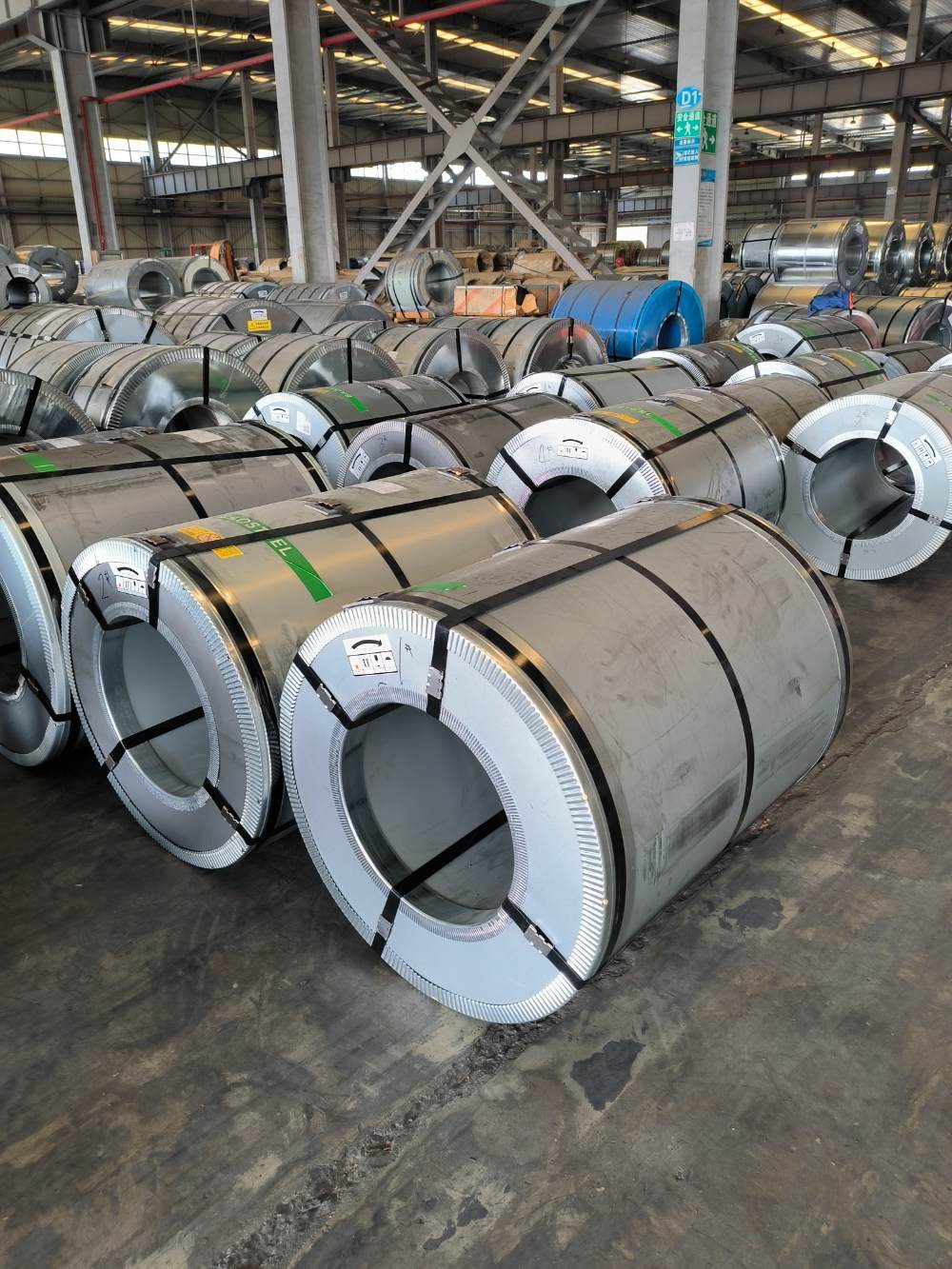
Transformers are critical components in electrical grids, and their efficiency hinges on minimizing energy losses, primarily from core losses in the steel laminations. Advanced steel solutions, such as high-permeability, low-loss silicon steels, offer a direct path to enhancing this efficiency by reducing hysteresis and eddy current losses. These materials are engineered with precise grain orientations and thinner gauges, which allow for smoother magnetic flux transitions and less heat generation. By integrating these steels, transformers can operate at higher efficiencies, leading to significant energy savings over their lifespan, especially in applications with continuous or heavy loads.
Beyond material composition, innovative manufacturing techniques play a key role in optimizing transformer performance. For instance, laser-scribed or domain-refined steels are designed to control magnetic domains more effectively, further cutting down on core losses. This is particularly beneficial in modern transformers that face variable loads, as it ensures consistent efficiency across different operating conditions. Moreover, these advanced steels often come with improved mechanical properties, enhancing durability and reducing maintenance needs, which contributes to lower total cost of ownership and supports sustainable energy infrastructure.
Looking ahead, the adoption of advanced steel solutions is not just about incremental gains; it represents a strategic shift toward smarter, more resilient power systems. As grid demands evolve with renewable integration and electrification trends, transformers must handle higher frequencies and more complex waveforms. Advanced steels, coupled with design innovations like amorphous cores, are enabling this transition by offering superior performance in compact forms. By focusing on such material advancements, the industry can push the boundaries of transformer efficiency, ultimately supporting global energy conservation goals and reducing carbon footprints in power distribution.
Customized Bulk Orders for Optimized Power Grid Performance
Tailoring bulk orders to specific grid requirements can significantly enhance operational efficiency and reliability. By leveraging detailed analytics and real-time data, utilities can procure equipment that precisely matches load demands and environmental conditions, reducing downtime and maintenance costs. This approach transforms standard procurement into a strategic asset, fostering a more resilient and adaptive energy infrastructure.
Beyond mere cost savings, customized orders empower grid operators to integrate innovative technologies, such as smart sensors and advanced materials, directly into their supply chains. This proactive alignment minimizes compatibility issues and accelerates upgrades, ensuring that power systems remain agile in the face of evolving energy landscapes, from renewable integration to peak demand management.
Ultimately, this method cultivates long-term partnerships with suppliers, fostering collaboration on bespoke solutions that prioritize sustainability and performance. By moving away from one-size-fits-all models, grids can achieve a fine-tuned balance between capacity, efficiency, and environmental impact, paving the way for smarter, more responsive energy networks worldwide.
Streamlined Supply Chain Benefits for Transformer Manufacturers
Streamlining the supply chain offers transformer manufacturers a significant competitive edge by cutting costs and boosting efficiency. By integrating advanced logistics and just-in-time inventory systems, companies reduce lead times and minimize warehouse expenses. This allows manufacturers to respond swiftly to fluctuating market demands, ensuring transformers reach customers faster while maintaining quality control throughout the production process. The result is not just operational savings but also enhanced customer satisfaction through reliable delivery schedules.
A streamlined supply chain enhances innovation and sustainability in transformer manufacturing. With better coordination among suppliers, manufacturers can source high-quality, eco-friendly materials more efficiently, reducing waste and environmental impact. This approach supports the development of smarter, more energy-efficient transformers, helping companies meet stringent regulatory standards and appeal to environmentally conscious clients. It turns supply chain management into a strategic asset that drives product differentiation and long-term growth.
Moreover, simplified supply chains improve risk management and resilience for transformer manufacturers. By diversifying suppliers and implementing real-time tracking systems, companies can mitigate disruptions from global events or material shortages. This proactive stance ensures steady production flows and protects against financial losses, fostering a stable operational environment. Ultimately, it empowers manufacturers to navigate complex markets with confidence, securing their position as leaders in the energy sector.
Long-Term Reliability Gains with High-Grade Electrical Steel
Using high-grade electrical steel in equipment can significantly boost long-term reliability by offering superior magnetic properties and reducing energy losses over time. This material often withstands thermal stresses more effectively than lower-grade alternatives, leading to fewer failures in demanding applications like motors and transformers. With improved durability, it ensures consistent performance decades down the line, making it a smart investment for industries prioritizing uptime.
High-grade variants, such as those with optimized silicon content or advanced coatings, minimize core losses that typically degrade efficiency in electrical systems. This translates to cooler operation and less wear on components, extending the lifespan of devices like generators and power converters. Unlike standard steels, these grades resist corrosion and aging effects, so you don't have to worry about performance dips as years pass.
The upfront cost might be higher, but the long-term payoffs in reliability are clear: fewer maintenance cycles and reduced downtime translate to lower total ownership costs. For example, in renewable energy setups or industrial machinery, this steel helps maintain stable output, proving it's not just about initial specs but sustained operation. It's a material choice that quietly powers reliability, keeping systems running smoothly long after installation.
Leveraging Wholesale Pricing for Sustainable Energy Projects
Wholesale pricing is revolutionizing how we approach sustainable energy projects. By tapping into bulk procurement models, developers can slash upfront capital costs for solar panels, wind turbines, and energy storage systems. This financial edge makes it easier to scale up clean power installations in communities that previously struggled with budget constraints.
Beyond just savings, wholesale strategies foster stronger partnerships between suppliers and project teams. When you commit to larger orders, manufacturers often provide custom technical support and faster delivery schedules. These collaborations help streamline installation timelines and improve the overall reliability of renewable energy infrastructure.
The ripple effects extend to long-term viability too. Lower equipment expenses mean reduced payback periods for investors, attracting more funding to the sector. This creates a positive feedback loop where cost-efficient projects demonstrate tangible returns, encouraging further innovation and deployment in sustainable energy markets worldwide.
FAQ
Grain-oriented electrical steel is a specialized material engineered with a crystal structure aligned in one direction, which significantly reduces energy losses in power transformers. Its unique orientation allows for minimal core loss and high magnetic permeability, making it essential for efficient energy transmission.
Wholesale sourcing provides cost savings through bulk discounts, ensures consistent supply for large-scale production, and allows manufacturers to streamline inventory management. This reduces overall project costs and supports timely delivery of reliable transformers.
Transformers built with this steel exhibit lower core losses, reduced heat generation, and enhanced energy efficiency—often achieving over 99% efficiency. This leads to significant energy savings and lower operational costs over the transformer's lifespan.
It excels in high-voltage power transformers, distribution transformers, and large industrial systems where minimizing energy waste is critical. Its performance is superior in applications demanding precise magnetic properties and long-term reliability.
Buyers should evaluate the supplier's material quality certifications, consistency in grain orientation, technical support capabilities, and delivery reliability. Pricing transparency and flexibility in order quantities are also important for long-term partnerships.
By enhancing transformer efficiency, it reduces energy consumption and greenhouse gas emissions. Its durability also extends equipment life, decreasing waste and supporting greener power grids through improved energy conservation.
Conclusion
Grain oriented electrical steel is revolutionizing the power transformer industry by offering substantial wholesale benefits that drive both efficiency and cost savings. By unlocking cost savings through bulk procurement, manufacturers can significantly reduce material expenses while enhancing transformer performance with advanced steel solutions that minimize energy loss. This combination not only improves operational efficiency but also supports sustainable energy projects by leveraging wholesale pricing for eco-friendly initiatives. Furthermore, customized bulk orders enable optimized power grid performance, ensuring that transformers are tailored to specific infrastructure needs, thereby boosting overall grid reliability and responsiveness.
In addition to performance gains, wholesale grain oriented steel provides streamlined supply chain advantages, simplifying logistics for transformer manufacturers and reducing lead times. This efficiency in procurement translates into long-term reliability gains, as high-grade electrical steel ensures durability and consistent operation over extended periods. By integrating these multifaceted benefits, the adoption of wholesale grain oriented steel emerges as a strategic move for enhancing transformer efficiency, supporting grid stability, and fostering sustainable energy development, making it a cornerstone for modern power systems.
Contact Us
Contact Person: Zoe Liang
Email: [email protected]
Tel/WhatsApp: 86 189 2128 6299
Website: https://www.baowuchina.com