

Metering Valve Sourcing Approaches That Reduce Procurement Risk
2026-08-20
Sourcing metering valves often feels like navigating a minefield of supplier claims, inconsistent quality, and unpredictable lead times. Yet procurement risk doesn’t have to be a gamble. By shifting focus from one-off price battles to structured sourcing strategies—such as dual sourcing, technical audits, and performance-based contracts—teams can dramatically reduce downstream failures and cost overruns. At AVM, we’ve seen how smarter valve selection turns procurement from a bottleneck into a competitive advantage. This post unpacks practical approaches that help buyers secure reliable metering valves without overexposing their supply chain.
Why Your Current Metering Valve Supplier Might Be Your Biggest Risk
Most engineers treat metering valves as a solved problem—pick a supplier, set the flow rate, move on. But that comfort often hides a fragile supply chain. When your current vendor quietly shifts production to a lower-cost facility or trims material specs to protect margins, your process becomes the silent victim. The first sign is rarely a dramatic failure; it’s a drift in repeatability, a slight change in leak rate, or a batch that just doesn’t hold calibration as long as the last one.
Dig into the risk and you’ll find it’s rarely about the valve design itself. It’s about single-source dependency, undocumented process changes, and a supplier that sees you as a revenue stream rather than a partner. If your metering valve vendor can’t tell you exactly where the stainless steel was sourced, how the needle was ground, or what changed in their QC protocol over the past two years, you’re one audit away from a costly line shutdown. And when that happens, the valve isn’t the expensive part—the unplanned downtime and rejected product are.
The real question isn’t whether your current supplier will ever fail you. It’s what you lose while you wait to find out. A metering valve that performs perfectly on paper but comes from a black-box operation leaves your entire fluid control system exposed. That exposure grows quietly until a compliance audit, a new application spec, or a competitor’s tighter tolerances forces you to react. By then, switching suppliers feels like emergency surgery instead of a strategic move—and the cost is always higher than a proactive change would have been.
The Case for Dual Sourcing Without Doubling Your Workload
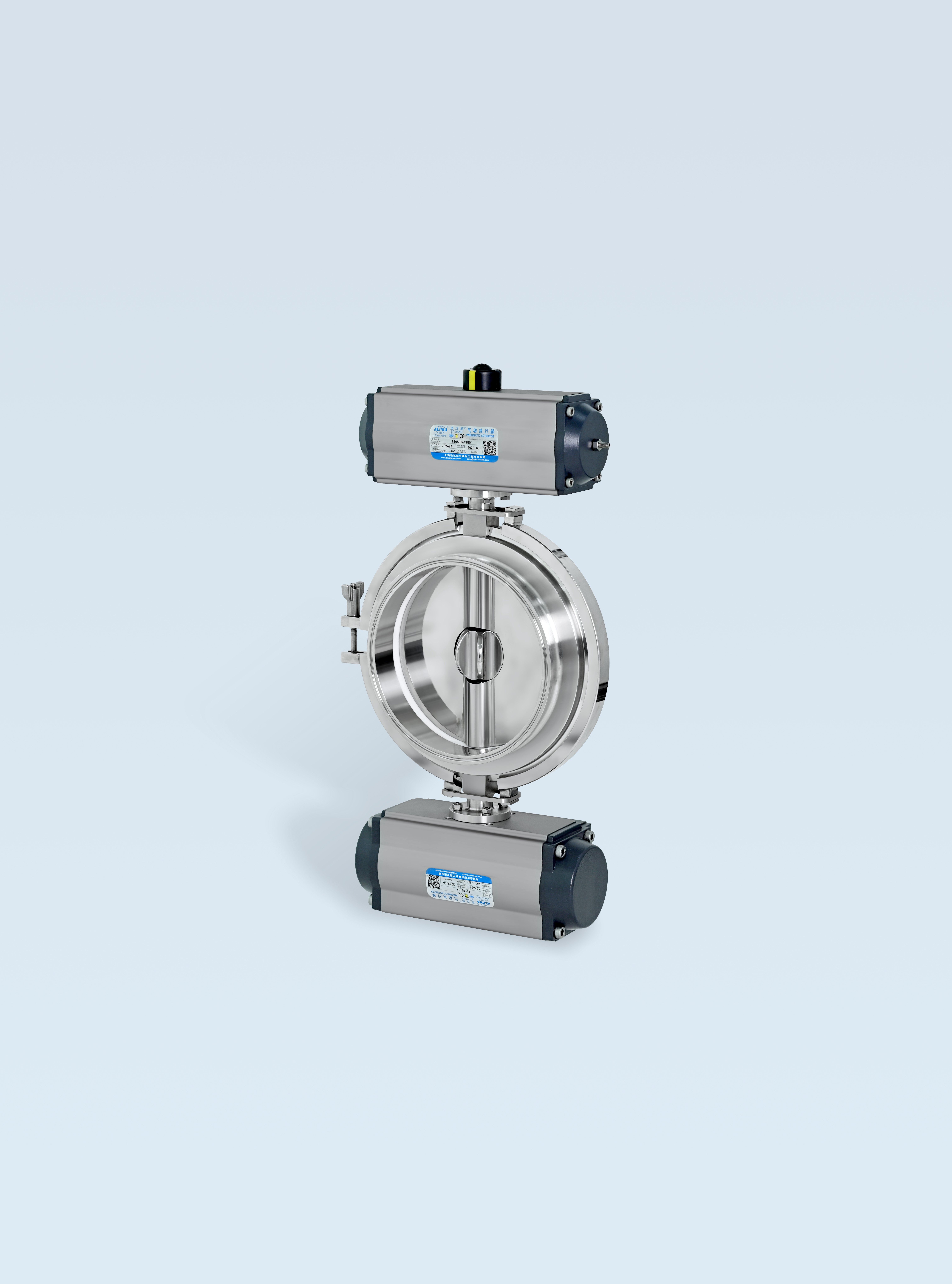
Many purchasing teams hesitate to split orders between two suppliers because they picture double the paperwork, double the audits, double the headaches. But dual sourcing doesn't have to mean running two separate, fully staffed supply chains. You can concentrate duplicate effort on the few parts where a single failure would stop production, and leave everything else with one supplier.
The trick is to make the second source a standing, pre-qualified backup rather than an equal-volume partner. Approve their process once, place a small recurring order to keep the relationship warm, and agree on surge terms in advance. When the primary line stumbles, you activate backup capacity without a crash qualification or emergency negotiations.
Over time, that limited second source also gives you cleaner cost data and keeps your primary supplier attentive. You are not managing two of everything; you are managing one serious alternative for the few vulnerabilities that matter. That is the case for dual sourcing without doubling the workload.
What a 30-Minute Valve Teardown Reveals About Supplier Quality
Thirty minutes with a valve on the bench often says more than a stack of supplier audits. The first thing to look at isn't the shiny exterior—it's the thread engagement on the stem and the condition of the seat pocket after only a few cycles. On a recent teardown, we found inconsistent machining marks on the bonnet sealing face, which pointed to tool wear that no final inspection would have caught. That kind of variation doesn't show up in a dimensional report; it shows up later as a slow leak at the packing gland.
The smaller components tend to tell the bigger story. Fasteners with mixed head markings suggest the supplier sources from multiple sub-tier shops without a clear change control process. An O-ring that feels slightly harder than the specified durometer can indicate a substitute material, which is easy to miss unless you've handled the correct part enough times to notice. These are not catastrophic defects on day one, but they're exactly the kind of drift that turns a reliable valve into a field failure after 18 months.
What a teardown really reveals is whether the supplier builds to the drawing or builds to the intent. You can pass every incoming inspection and still end up with a valve that doesn't behave the same as the prototype. Spending half an hour pulling one apart forces you to look at the details that matter under pressure, temperature, and vibration. It's a cheap way to see if a supplier is managing quality or just managing paperwork.
Negotiating Lead Time Buffers That Don't Inflate Unit Costs
Rather than pressing suppliers to simply hold more safety stock, open the conversation around shared demand visibility. Offer a rolling forecast or a small volume commitment in return for a few extra days of flexible lead time. Suppliers often build hidden contingency into unit pricing when they can't predict your ordering behavior, so removing that guesswork can unlock buffer capacity without a per-piece markup.
Another lever is negotiating a capacity reservation instead of finished inventory. Agree on a modest monthly retainer that guarantees you priority access to a production slot during tight periods. This keeps the base unit cost untouched because the buffer expense sits in a separate, transparent line item—and you only pay for the flexibility when you actually need it.
Don't overlook logistics slack as a zero-cost buffer. Ask your freight providers about consolidation windows or slightly slower routing that adds a day or two without changing the rate card. Internally, shifting your own order release date earlier can create lead time cushion without altering supplier terms at all.
Running Small-Batch Trials Before You Sign the Blanket Order
Before you commit to a blanket order that locks in pricing and volume for months, run a small-batch trial with the actual production line, not just a sample room. This is where hidden issues surface: a supplier might nail a hundred units but struggle to keep tolerances at a thousand, or the packaging adhesive might fail after a week in humid transit conditions. A trial order of two hundred to five hundred pieces gives you enough data to spot inconsistencies in stitching, plating, or fill weight that a pre-production sample never reveals.
The trial also forces the factory to use the exact materials and auxiliary components listed in your spec sheet, not the upgraded versions they sometimes slip into samples to win the bid. If you skip this step, you risk discovering after the blanket order ships that the rubber keypads are slightly tackier, the powder coating chips at the corners, or the thread tension drifts once the line runs at full speed. Small-batch trials are cheap insurance compared to a container load of returns.
Make the trial conditional: if defect rates stay below your agreed threshold and lead times hold, you proceed with the blanket order. That gives the supplier a real incentive to solve problems now rather than promise fixes later. You are not being difficult—you are protecting your cash flow and your brand from a supplier who may be great at prototypes but untested under repeat production stress.
Keeping a Backup Supplier Warm Without Burning Bridges
Most supplier relationships thrive on volume, but a backup supplier survives on promise. Send them a small order every quarter, just enough to keep their line familiar with your specs and their team responsive. If you go silent for six months and then expect emergency pricing, you’ll be treated like a stranger. Better to give them a slice of non-critical work and a clear signal that you value the option.
Be upfront with your primary supplier too. Let them know you keep a secondary source for risk management, not as a threat. This honesty often reduces friction and prevents rumors from turning into resentment. Meanwhile, pay the backup promptly and share occasional demand forecasts—even rough ones—so they can plan capacity without overpromising.
A warm backup relationship lives on rhythm, not just emergencies. A quick call every month, a request for a quote on a low-stakes part, or an invitation to tour your facility can do more than a big order placed once a year. When the day comes that your main line stumbles, you’ll need a partner who already knows your tolerances, your lead times, and your people.
FAQ
Metering valves require tight flow control tolerances and often use specialized materials or coatings. A supplier with limited experience in fine machining or calibration can deliver parts that drift out of spec quickly. The real risk isn't just a bad batch—it's a valve that passes incoming inspection but fails after weeks in a corrosive or high-cycle application. So look beyond generic valve certifications and into their track record with low-flow, high-precision assemblies.
Ask for data from their final testing, not just a sample certificate. For metering valves, key parameters include repeatability across a range of pressure drops and leak rates at both minimum and maximum stem positions. If the supplier can't show statistical process control charts for these characteristics, that's a red flag. Also verify that their calibration equipment is traceable to a recognized standard and not just an internal reference.
Dual sourcing helps, but only if you split by valve family or application, not by random lot. For example, source low-pressure metering valves from one supplier and high-pressure or corrosion-resistant versions from another. That way each supplier maintains volume and engineering focus. Trying to qualify two identical suppliers for the same part often leads to inconsistent performance and doubles your audit workload without meaningful risk reduction.
Material test reports matter most for wetted parts like stems, seats, and seals. A metering valve might look fine dimensionally but fail early if the alloy batch has trace impurities or wrong heat treatment. Require mill certificates that match the heat number on the actual components, not just a generic statement. For critical applications, consider third-party positive material identification on a sample from each shipment before acceptance.
Long-term agreements let you lock in capacity and raw material pricing formulas tied to an index, such as nickel or stainless steel. But avoid fixed-price contracts longer than 18 months unless the supplier absorbs raw material risk. Better approach: agree on quarterly price adjustments with a cap and floor, plus a guaranteed minimum order quantity that makes the supplier prioritize your schedule during shortages.
ISO 9001 is a baseline. For metering valves, check whether the supplier has process-specific controls like first article inspection reports, in-process flow calibration checks, and lot traceability down to the raw material heat number. Also ask about their nonconformance handling: do they quarantine and root-cause every out-of-tolerance flow test, or do they just rework and ship? A supplier that shares corrective action reports openly is far less risky than one that hides behind certificates.
Lab tests show capability under ideal conditions. Field data shows how valves behave after months of thermal cycling, vibration, and varying fluid cleanliness. Request references from customers with similar operating environments—not just similar industries. If a supplier can't provide at least two references with documented service life for the same valve model, treat that as a risk until proven otherwise.
Location affects lead time stability and after-sales engineering support more than unit price. A distant supplier may offer lower cost but struggle with urgent rework or custom modifications when a field issue arises. Look for suppliers with regional service hubs or technical staff who can respond within 48 hours to a performance complaint. Also factor in export compliance and shipping delays for precision components that may need temperature-controlled transport.
Conclusion
Most procurement teams treat their current metering valve supplier as a stable default, yet that single-source comfort is often where hidden exposure begins. A supplier's financial health, key-person turnover, or a quiet shift in their own component sourcing can degrade quality without any formal notice. Dual sourcing does not have to mean duplicating every qualification and audit; instead, split the product family by valve size or material class so each supplier owns a clearly defined scope and both remain production-ready. A 30-minute teardown of incoming valves is a practical check that reveals whether internal clearances, seal materials, and surface finishes actually match the approved drawing, catching drift before it reaches the line.
Lead time buffers should be attached to milestone dates rather than quoted delivery dates, so a supplier can hold raw material or machining capacity without inflating the per-unit price. Before signing a blanket order, run small-batch trials under real flow and pressure conditions with the supplier's own tooling and operators, not just prototype samples. Finally, keep a backup supplier warm by placing a modest quarterly order for a common valve configuration and sharing minimal forecast ranges; this maintains familiarity and tooling readiness without suggesting you are about to cut the incumbent, which keeps bridges intact.
Contact Us
Contact Person: Ananda
Email: [email protected]
Tel/WhatsApp: 8619016718200
Website: https://www.wzaomi.com