

Modular Buildings Manufacturer Guide: Key Questions to Ask Before You Build
2026-11-19
Every modular build starts with a simple question: are you asking the right things before the first panel goes up? From structural tolerances to delivery timelines, the difference between a smooth project and a costly delay often comes down to how well you vet your manufacturer. Instead of learning those lessons the hard way, get the answers upfront. At GETO, we’ve seen too many teams overlook critical details that surface once construction is already underway. This guide walks you through the key questions that separate dependable modular partners from the rest—so you can build with confidence, not guesswork.
Will Your Timeline Survive Their Backlog?
A timeline is only as strong as the quietest promise behind it. When your team commits to a launch date, that number quietly absorbs every delayed dependency, every unresolved design thread, every late-afternoon “we’ll circle back on this.” The backlog doesn’t announce itself loudly. It sits inside velocity charts and sprint reviews, waiting for a moment of pressure to show what was never actually finished.
What often breaks a timeline isn’t more work—it’s the invisible pile of work that was never fully negotiated. A feature halfway built, a bug triaged but not owned, a stakeholder decision postponed because nobody wanted to name the trade-off. Those open loops accumulate quietly. By the time a deadline approaches, the team isn’t behind on this week’s tasks; they’re paying interest on months of deferred clarity.
The question worth asking before any roadmap review is whether the timeline reflects real momentum or just tolerated ambiguity. If you can’t point to the specific person who would say “this is done, and here’s how we proved it,” the deadline is probably already borrowing against trust that hasn’t been earned yet.
Which Permits Have They Already Navigated?
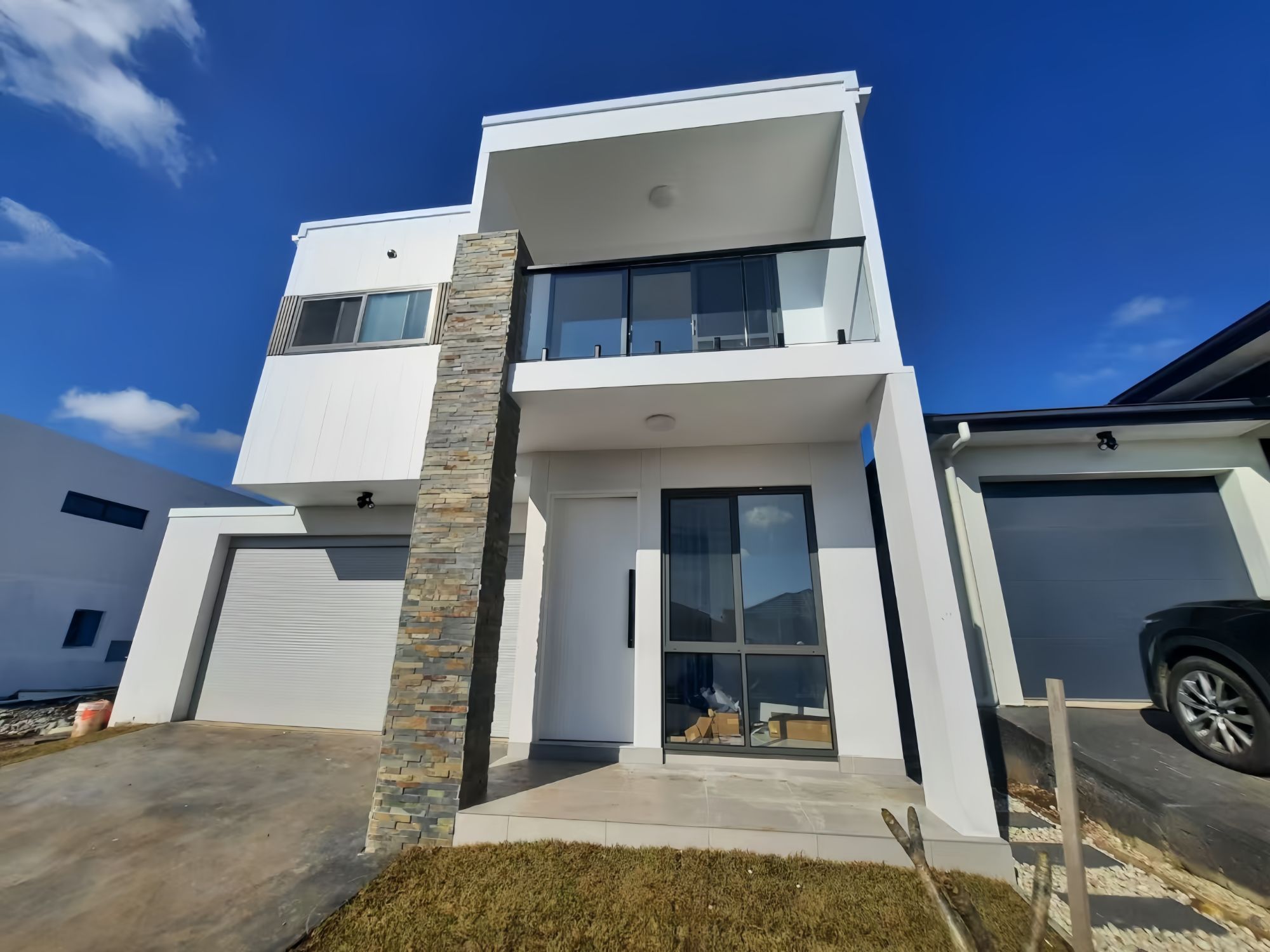
Ask this not as a box-ticking exercise but as a way to see how well they actually know the local system. Some areas demand permits for things people routinely overlook: curb cuts, exterior changes in historic districts, stormwater connections, even certain fence heights. A contractor who has already been through those conversations is less likely to discover a missing approval halfway into the job.
The range matters more than the number. A builder may have handled plenty of cosmetic remodels but never touched a structural change or an addition, and those involve a different rhythm of drawings, revisions, and waiting. Ask for a recent example—ideally one close to your project—and listen for details about how they moved through the review process, where it stalled, and what they learned.
You also want someone who can tell you when a permit is not needed. That tends to come from direct experience rather than guesswork, and it can save real time without putting you at risk. If they can explain the logic behind the approvals they have navigated, that is usually a better sign than a generic claim about being fully licensed and insured.
Can You Walk Through a Half-Built Module?
You can step inside a half-built module, but it rarely feels like a normal walk-through. The floor might be solid under your feet while the wall cavities are still open, with wiring poking out and insulation only partly tucked in. Some sections are braced with temporary timber, so the route through the unit can shift from one visit to the next.
Safety tends to be the deciding factor. Once the frame is locked together and the main load path is stable, a quick walk through the interior is usually fine with a hard hat and sturdy shoes. If the module is still being aligned or lifted, however, most builders will keep people outside the unit until the structure settles and the access openings are clear.
The unfinished state actually makes certain details easier to spot. You can see how the floor cassette connects to the wall panels, where the plumbing runs through the steel or timber frame, and how the factory sequences work that will later be hidden behind drywall. That is harder to appreciate once the module is sealed up and trimmed out.
Who Answers After the Crane Leaves?
The question hangs in the air long after the white wings vanish into the grey northern sky. Who answers when the crane leaves? Not the reeds, though they shiver with the memory of its passing. Not the marsh water, which stills itself into a mirror that reflects only absence. The ones left behind are the quiet ones: an old woman who kept a handful of dried corn in her apron pocket, a child who learned to imitate the crane’s cry before ever seeing one, a fisherman who once shared his dawn with a bird that asked for nothing.
The answer rarely comes in words. It comes in the way a village adjusts its rhythm when the birds depart—the sudden sharpening of silence, the empty fields that seem to hold their breath, the small rituals of waiting that people invent without naming them. Some leave a gate open, not for a guest but for the possibility of return. Others mark the date on a kitchen wall, a faint charcoal line that means not “when it left” but “when we began to listen for it.”
Perhaps the most honest answer is that no one answers, and that is the point. The crane leaves, and the world does not offer a replacement. Instead it offers something harder: a lesson in staying. The old woman still walks to the marsh at the same hour. The child still cups both hands around a hollow sound. The fisherman still leaves a small space at the bow of his boat. They are not waiting for the crane to speak. They are learning to answer, in their own slow voices, the silence it left behind.
How Much of the Quote Is Actually Locked In?
When a vendor sends over a price, it rarely means every line item is set in stone. The base rate might be solid for thirty days, but delivery fees, material surcharges, and add-on services often carry their own fine print. A quote that looks airtight at first glance can shift once you ask about weekend work, rush timing, or even which specific crew shows up.
The real question is which parts the seller actually guarantees. Some will happily fix the labor rate while leaving the cost of raw materials floating with the market. Others lock the total number but quietly reduce scope if you push back on price. Reading past the big bold figure matters more than the figure itself.
Ask for a written breakdown of what is firm, what is estimated, and what could trigger a revised number. That one request tends to separate vendors who stand behind their numbers from those who plan to renegotiate halfway through the job.
What Do Their Past Clients Say When Nobody’s Listening?
There's a quiet kind of honesty in the way past clients talk when they're off the record. Not the polished testimonial they agreed to put on a website, but the candid version shared over coffee, in a passing hallway, or in a group chat with friends who are thinking of hiring. In those moments, you hear the real story: Did the team actually listen? Did they show up when things got messy? Was the work as sharp as the proposal promised? These unfiltered impressions carry weight precisely because nobody is watching.
Often, the highest praise comes without fanfare. A former client mentions that deadlines were met without drama, that a last-minute change was handled with patience, or that communication never felt like a performance. These small, unscripted reassurances reveal more than any star rating. When someone chooses to recommend a partner voluntarily, without being asked, it signals a level of trust that can't be manufactured. That reputation, built in ordinary conversations, is what keeps a business alive long after the contract ends.
So the next time you evaluate a potential collaborator, pay attention to what isn't said in public. Ask around. Listen for the tone behind the words. If past clients speak warmly when they think no one is listening, you've likely found someone worth hiring.
FAQ
We start with a site visit to check access, slope, and soil conditions. From there we issue a simple foundation plan that your local contractor can follow. We do not pour concrete ourselves, but we stay in touch with the crew so anchor points and utility stubs line up when the modules arrive.
You can move walls, change window sizes, upgrade finishes, and adjust layouts within the structural grid. The limits are usually ceiling height, overall module width for transport, and local code restrictions. We keep a showroom of standard options but also work from custom drawings if you want something less typical.
Our frames are built to the same state and local codes as site-built structures. We often have to meet the version of the code adopted where the building will sit, not where the factory is located. Before production starts, we confirm that with your local permitting office and submit drawings for review.
Each module passes through several inspection gates before it leaves the line. We check framing tolerances, insulation placement, window flashing, plumbing pressure, and electrical continuity. Third-party inspectors also visit the plant depending on the state program.
We photograph every module before it leaves the factory and again at delivery. If something is damaged, we file a claim and send a repair crew or replacement parts based on the signed delivery report. Minor scuffs are usually handled by the site finishing team; structural issues get priority.
Our quotes separate factory cost, transport, site work allowances, and any optional upgrades. We ask for soil and access details early so fewer surprises show up later. If a change order is needed, we send a written price before work continues.
Once drawings are approved and permits are issued, factory production typically runs eight to fourteen weeks depending on the size of the project. Site work can happen during that window. Delivery and setting take a few days, then interior connections and final inspections usually take another four to eight weeks.
We provide a one-year workmanship warranty on factory assembly and a separate structural warranty that extends further. Service requests go through a single contact, and we aim to have someone on site within two weeks for anything that affects safety or weather tightness. Cosmetic items are grouped into scheduled follow-up visits.
Conclusion
Before signing anything, push past the polished brochures and ask whether the manufacturer's current backlog can realistically support your build date. A company that cannot explain how existing projects affect production slots will likely hand you delays later, no matter how convincing the initial timeline sounds. Ask which permits they have already navigated for projects like yours; if they hesitate, blame the local authority, or tell you that side is yours to handle, treat it as a warning rather than a workflow detail. Try to walk through a half-built module instead of only a finished showroom. In an active build you can see how seams line up, how wiring is routed, and whether the work in progress actually matches the standard they sell up front. Those rough edges are harder to hide when the walls are still open.
The conversation should not stop once installation is complete. Clarify who answers after the crane leaves, how long that support lasts, and whether you will reach a named person or a rotating ticket queue. Equally important is the quote itself: find out which parts are truly locked in and which are allowances that can drift once materials shift or site conditions change. Finally, ask for references in a way that gets past the glossy testimonials. A question like "which part of the process would you have changed?" tends to reveal what past clients say when nobody is listening. Those unguarded details, more than any sales pitch, will tell you whether the company genuinely owns its work from first drawing to final handoff.
Contact Us
Contact Person: Quanhui Nian
Email: [email protected]
Tel/WhatsApp: 8618070545691
Website: https://www.getoglobal.com/