

Optimizing Your OLED Display Module with Top Manufacturer Insights
2026-03-29
Welcome to our latest deep dive into OLED display technology, where we uncover the secrets to optimizing your OLED modules with exclusive insights from leading manufacturers. As OLEDs continue to revolutionize industries from consumer electronics to automotive displays, understanding how to maximize their performance is more crucial than ever. In this blog, we'll explore practical tips and insider knowledge that can help you enhance brightness, extend lifespan, and reduce power consumption—all backed by real-world expertise. Plus, we're excited to feature cutting-edge solutions from Jingda-Display, a trusted name in innovative display technology. Whether you're an engineer, designer, or tech enthusiast, get ready to discover how to make your OLED projects shine brighter and smarter. Stay tuned for actionable advice that could transform your next development!
Expert Tips for Maximizing OLED Lifespan: Manufacturer Secrets Revealed
OLED displays can last for years with proper care, but many users aren't aware of the simple habits that make a big difference. For example, keeping brightness at moderate levels instead of maxing it out helps prevent pixel degradation and maintains color accuracy over time. Adjusting your device's auto-brightness settings to avoid extreme variations in different lighting conditions is another straightforward way to extend the panel's life without compromising visibility.
Another often overlooked aspect is managing static elements on screen, like logos or navigation bars, which can cause uneven wear if left unchanged for extended periods. Many manufacturers suggest using features like pixel shifting or screen savers that vary content periodically to distribute usage more evenly across the display. It's also wise to avoid displaying high-contrast static images for too long, as this can lead to temporary image retention or even permanent burn-in if repeated frequently.
Beyond daily usage, environmental factors play a key role; storing your OLED device in a cool, dry place away from direct sunlight helps prevent heat damage and moisture buildup that can affect internal components. Regularly updating firmware can also provide fixes for display-related issues, as companies often release patches that optimize power management and reduce strain on the pixels. Following these tips not only keeps your screen looking vibrant but also saves money on repairs or replacements down the line.
Choosing the Right OLED Module: Insider Advice from Top Brands
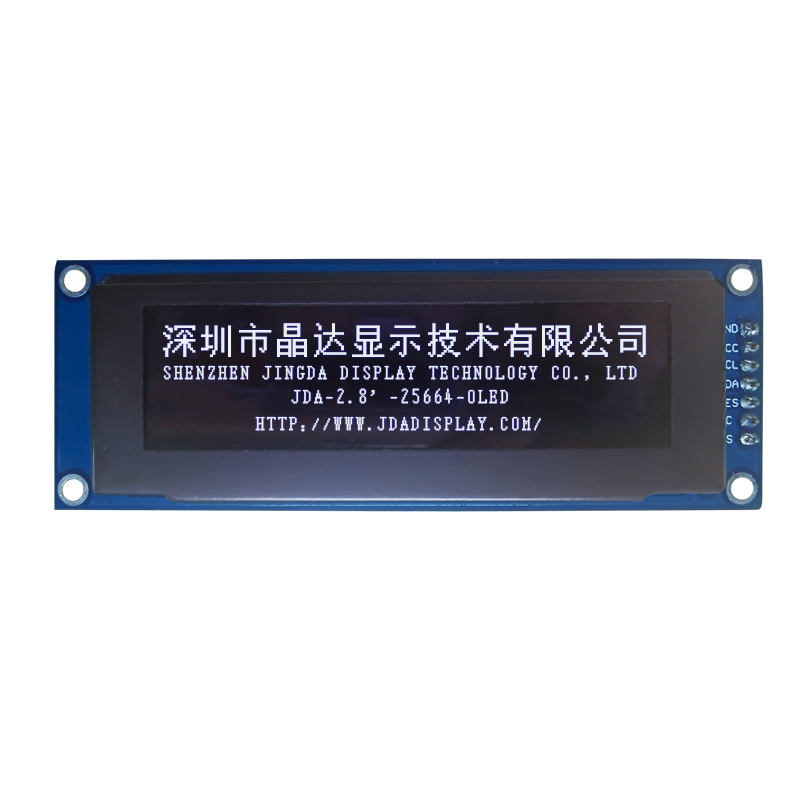
When diving into the world of OLED modules, it's easy to get overwhelmed by the sheer variety of options available, but tapping into insights from leading brands can make the decision process much smoother. Top manufacturers like Samsung, LG, and others emphasize that it's not just about brightness or resolution; factors such as power efficiency, color accuracy, and viewing angles play a crucial role, especially for applications in wearables, automotive displays, or medical devices. They often advise designers to start by clearly defining their project's specific needs—whether it's for a compact smartwatch or a large-scale digital signage—and then match those requirements with the module's technical specifications to avoid overpaying or underperforming.
Insider tips from these brands reveal that longevity and reliability should never be overlooked; many high-end OLED modules come with advanced features like high refresh rates and wide temperature ranges, which can significantly impact product durability in real-world use. For instance, brands recommend looking into modules with robust driver ICs and flexible substrates if the application involves frequent bending or exposure to harsh environments, as this can prevent premature failure and reduce maintenance costs. By focusing on these nuanced aspects, you can select a module that not only meets immediate display needs but also supports long-term innovation and user satisfaction.
Ultimately, choosing the right OLED module is about balancing performance with practicality, and top brands stress the importance of hands-on testing and collaboration with suppliers during the prototyping phase. They suggest evaluating samples under various lighting conditions and stress tests to ensure compatibility with your hardware and software, as this can uncover hidden issues like ghosting or color shifts that aren't apparent in datasheets. By leveraging these insider strategies, you can navigate the market more confidently and achieve a standout product that excels in both functionality and design, setting it apart from competitors.
Unlocking Peak Performance: Advanced Calibration Techniques for OLEDs
Achieving the best possible performance from OLED displays goes far beyond basic factory settings. Advanced calibration techniques delve into precise adjustments at a granular level, allowing users to harness the full potential of their panels. Unlike simpler color correction tools, these methods involve fine-tuning gamma curves, color gamut mapping, and white point balance across different luminance levels. This ensures that images appear consistently accurate, from deep shadows to brilliant highlights, across various content types—whether you're editing photos, watching films, or designing graphics. The result is a display that not only meets technical standards but delivers a visually stunning experience tailored to specific needs.
One key aspect of advanced calibration is the use of specialized hardware, such as colorimeters or spectrophotometers, paired with professional software. These tools measure the display's output with high accuracy, enabling adjustments based on objective data rather than subjective perception. For instance, calibrators might target standards like DCI-P3 for cinema or sRGB for web content, adjusting parameters like grayscale tracking and color saturation to eliminate unwanted tints or inaccuracies. This process can significantly reduce color banding and improve contrast ratios, making details pop and colors feel more natural. It's a step-up from generic presets, offering a customized setup that adapts to your environment and usage patterns.
Moreover, ongoing maintenance and periodic recalibration are crucial to sustain peak performance, as OLED panels can shift over time due to factors like aging or ambient temperature changes. Advanced techniques might include creating multiple profiles for different lighting conditions or content workflows, ensuring versatility without compromising quality. By mastering these methods, users can unlock a level of precision that enhances creative work and entertainment, transforming a good display into an exceptional one that stands out in clarity and reliability.
Common OLED Pitfalls and How to Avoid Them: A Manufacturer’s Perspective
One often overlooked issue is burn-in, where static images persist on the screen over time. From our experience on the production line, this stems from uneven pixel degradation—high-brightness areas wear out faster. To dodge this, we recommend implementing pixel shifting in your firmware; it subtly moves displayed content every few minutes to distribute wear evenly. Also, judiciously lowering default brightness settings can drastically extend panel life without sacrificing visual quality.
Color uniformity across the display is another tricky hurdle. In manufacturing, even slight variations in organic layer deposition can cause visible patches or tinting. Our solution involves rigorous pre-shipment calibration using advanced spectroradiometers to map and correct color deviations in real-time. For end-users, enabling dynamic color management features, if available, helps maintain consistency by adjusting for ambient light and panel aging.
Finally, power consumption spikes under certain conditions, like displaying all-white screens, can strain both the device and user experience. We've tackled this by optimizing driver ICs to better regulate current flow and integrating low-power modes that activate automatically. For best results, stick to dark mode themes where possible and avoid prolonged use at peak brightness—small habit changes that keep performance smooth and energy use in check.
Integrating OLED Displays Seamlessly: Best Practices for Design Success
OLED displays bring vibrant colors and deep blacks to any project, but integrating them smoothly demands careful planning from the start. Unlike traditional screens, OLED panels offer true pixel-level control, allowing for stunning visuals that captivate users. To avoid common pitfalls like burn-in or uneven brightness, designers should focus on optimizing power management and implementing dynamic content strategies. By testing prototypes under various lighting conditions, teams can ensure the display performs reliably in real-world scenarios.
A key aspect of seamless integration lies in matching the display's capabilities with the device's overall design ethos. For instance, consider how thin OLEDs enable sleeker form factors, opening up possibilities for curved edges or bezel-less designs that enhance user immersion. It's crucial to collaborate early with hardware engineers to align thermal management and interface protocols, preventing bottlenecks that could compromise performance. Leveraging adaptive refresh rates and color calibration tools can further fine-tune the visual output, making the experience feel intuitive and responsive.
Ultimately, successful OLED integration hinges on a holistic approach that balances aesthetics with functionality. Embrace iterative feedback loops during development to refine touch response and reduce latency, ensuring the display feels natural to interact with. By prioritizing user-centric testing and staying updated on emerging OLED technologies, designers can create products that not only look stunning but also deliver consistent, long-lasting performance. This proactive mindset sets the stage for innovations that truly stand out in a crowded market.
Future-Proofing Your OLED Investments: Trends and Innovations from Leaders
As OLED technology continues to reshape visual experiences, savvy investors are looking beyond current capabilities to ensure their portfolios remain resilient and profitable. Leaders in the industry are emphasizing strategic foresight by focusing on emerging trends like flexible and transparent displays, which promise new applications in consumer electronics and beyond. By adopting a long-term perspective, stakeholders can better anticipate shifts in market demand and avoid costly obsolescence, making future-proofing a critical component of investment planning in this rapidly evolving sector.
Key innovations from market leaders directly inform future-proof strategies, with advancements in energy efficiency, organic materials, and manufacturing processes driving down costs while enhancing performance. Companies are investing heavily in research areas such as quantum dot integration and AI-driven optimization, aiming to push the boundaries of what OLEDs can achieve. These efforts not only bolster product longevity but also create opportunities for diversification, allowing investors to tap into niche markets like healthcare or automotive that are just beginning to leverage OLED's unique advantages.
To truly future-proof OLED investments, it's essential to monitor the competitive landscape and align with pioneers who prioritize sustainability and innovation. Leaders are forging partnerships and setting industry standards that reduce environmental impact and ensure supply chain resilience, factors increasingly valued by consumers and regulators alike. By staying informed about these developments, investors can make more informed decisions that balance short-term gains with long-term growth, ultimately securing a stake in a technology poised for continuous transformation.
FAQ
When choosing a manufacturer, look for ones with advanced R&D capabilities, proven track records in high-resolution displays, and certifications like ISO standards. Also, check their supply chain stability and post-sale support to ensure long-term reliability.
To minimize burn-in, implement pixel shifting techniques, use screen savers with moving elements, and avoid static images at high brightness for extended periods. Some manufacturers offer software solutions integrated into their modules for proactive management.
Leading companies are focusing on materials like phosphorescent OLEDs for higher efficiency, improved thin-film encapsulation to reduce moisture damage, and micro-lens arrays that boost light extraction without increasing power consumption.
Work with manufacturers that provide detailed calibration data and use automated optical inspection systems. Request pre-calibrated modules and consider on-site tuning for critical applications to match color profiles precisely.
Opt for standardized module sizes to reduce customization costs, leverage volume discounts, and consider manufacturers offering flexible panel sizes that minimize waste. Some also provide design support to optimize layouts for cost-efficiency.
Choose manufacturers that adhere to RoHS and REACH regulations, use eco-friendly materials in production, and have energy-efficient manufacturing processes. Inquire about their recycling programs for end-of-life modules to support sustainability.
Conduct accelerated life testing, including thermal cycling, humidity exposure, and vibration tests. Collaborate with manufacturers that offer reliability data or third-party certification to validate performance in harsh environments.
Look for suppliers that provide flexible shapes, custom connectors, and tailored driver ICs. Some allow integration of touch sensors or additional coatings for glare reduction, with rapid prototyping services for quick iterations.
Conclusion
Optimizing OLED display modules effectively demands a combination of practical know-how and forward-thinking strategies, as revealed by top manufacturers. Expert tips for maximizing lifespan go beyond basic usage, involving manufacturer secrets like controlled brightness settings and specific refresh rates to prevent burn-in and aging. When choosing the right OLED module, insider advice from top brands emphasizes matching specifications such as pixel density and color accuracy to your application's needs, rather than opting generically. Additionally, unlocking peak performance through advanced calibration techniques ensures consistent image quality and energy efficiency, tailored to environmental conditions.
To avoid common OLED pitfalls, a manufacturer's perspective highlights issues like improper handling during installation and inadequate heat dissipation, offering solutions like reinforced connectors and thermal management designs. Integrating OLED displays seamlessly relies on best practices for design success, including standardized interfaces and thorough testing protocols to ensure compatibility and reliability. Finally, future-proofing your OLED investments involves staying attuned to trends and innovations from leaders, such as flexible displays and improved durability features, enabling long-term value and adaptability in evolving markets.
Contact Us
Contact Person: Vincent
Email: [email protected]
Tel/WhatsApp: 86 135 5485 1379
Website: https://www.jda-display.com/