
Polyethylene Glycol: Unlocking Versatile Applications and Benefits in Modern Industries
2026-03-03
In an era where innovation drives progress, few compounds demonstrate such remarkable versatility as polyethylene glycol. From pharmaceuticals to cosmetics, and from industrial processes to cutting-edge research, this polymer plays a crucial role in countless applications. Yet, many remain unaware of its full potential and transformative benefits. At POLYKEM, we’re dedicated to revealing how polyethylene glycol isn’t just another chemical—it’s a game-changer. In today’s post, we’ll explore its fascinating applications and why it should be on your radar. Ready to see how this unsung hero is shaping modern industries? Let’s begin.
Exploring PEG's Role as a Versatile Pharmaceutical Solvent and Excipient
When delving into the world of pharmaceutical formulations, one often stumbles upon polyethylene glycol (PEG), a polymer that's quietly become a cornerstone in drug development. Its versatility as both a solvent and excipient stems from properties like water solubility, low toxicity, and compatibility with various active ingredients. Unlike many alternatives, PEG doesn't just dissolve compounds; it enhances stability and bioavailability, making it a go-to choice for everything from oral liquids to topical creams. This adaptability allows researchers to tackle complex solubility issues without compromising on safety or efficacy, a trait that's hard to match in the crowded excipient landscape.
What sets PEG apart in the pharmaceutical toolkit isn't just its functional benefits but its ability to be tailored to specific needs. Available in various molecular weights, it can act as a solid binder in tablets or a liquid carrier in syrups, offering formulators unprecedented flexibility. This chameleon-like nature means it's not just a filler; it's an active participant in improving drug delivery, often enabling controlled release or masking unpleasant tastes. As drug pipelines grow more diverse, PEG's role evolves, proving indispensable in modern therapies that demand precise formulation tweaks.
Looking forward, PEG's role is poised to expand beyond traditional uses, integrating into cutting-edge applications like nanoparticle delivery systems and biopharmaceuticals. Industry experts note its growing importance in personalized medicine, where custom formulations require reliable, multi-purpose excipients. By balancing innovation with a proven safety profile, PEG continues to carve out a niche that's both practical and forward-thinking, ensuring it remains a staple in labs and production lines for years to come.
Innovative Uses of Polyethylene Glycol in Cosmetics and Personal Care Products
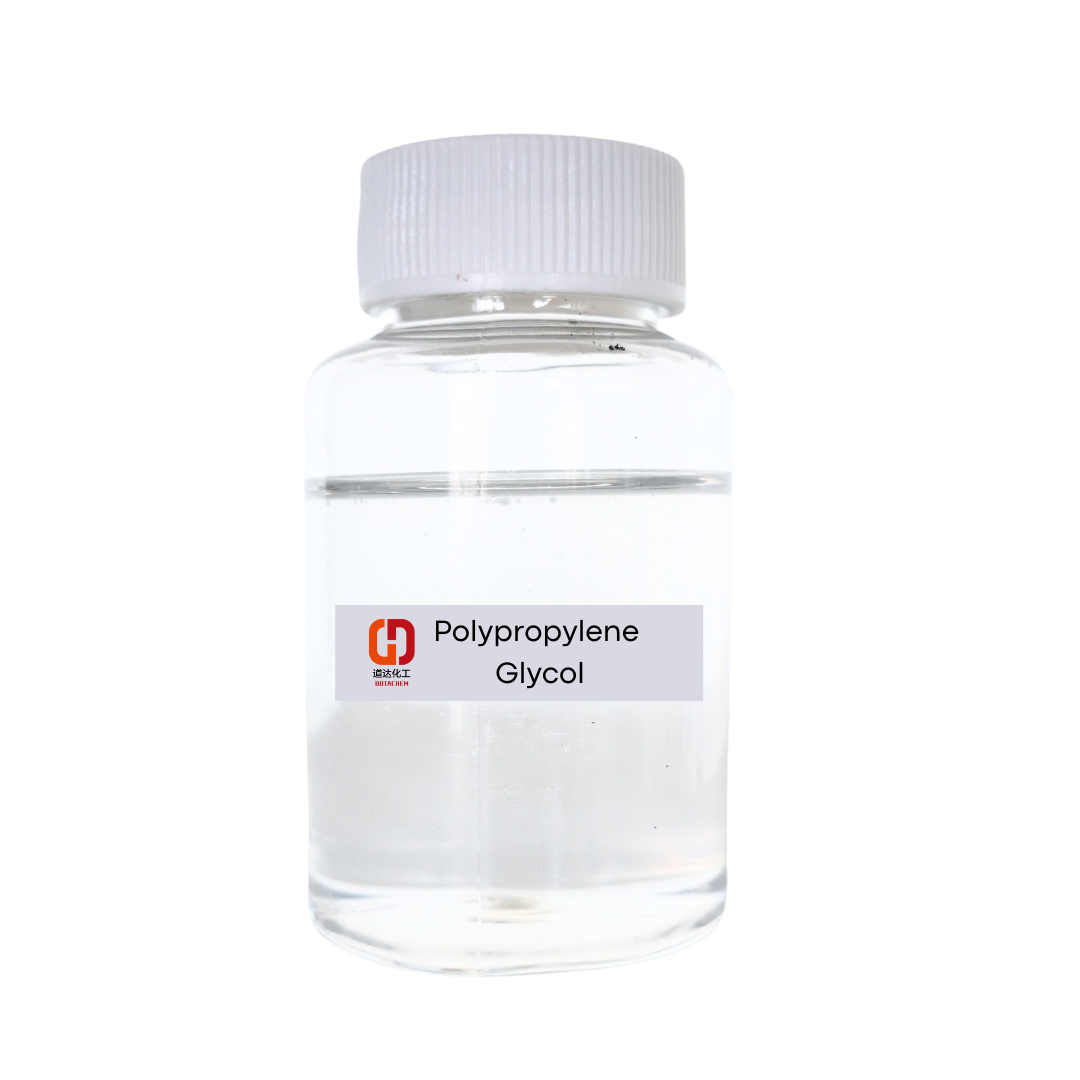
Polyethylene glycol, commonly abbreviated as PEG, has become a versatile star in the cosmetics and personal care industry, far beyond its traditional roles as a solvent or thickening agent. Recent innovations leverage PEG's ability to form stable, non-irritating complexes that enhance the delivery of active ingredients like vitamins and antioxidants directly into the skin layers. For instance, PEG-based micelles are now used in serums and creams to encapsulate sensitive compounds, protecting them from degradation and ensuring a gradual, targeted release for maximum efficacy. This breakthrough not only boosts product performance but also minimizes potential side effects, making skincare routines more effective and gentle.
Another cutting-edge application involves PEG in hair care formulations, where it's engineered to improve texture and manageability without weighing hair down. By modifying PEG molecules to create lightweight films, products like conditioners and styling gels can provide lasting hydration and frizz control while maintaining a natural feel. This approach contrasts with older methods that often left residues or caused buildup, showcasing how PEG innovations cater to modern consumer demands for clean, high-performance solutions. Brands are increasingly incorporating these advanced PEG derivatives to offer products that deliver visible results without compromising on sensory experience.
In the realm of sustainability, PEG is being reimagined through biodegradable variants that address environmental concerns associated with conventional plastics. New PEG alternatives derived from renewable resources are emerging in products such as exfoliants and emulsifiers, offering similar functional benefits while reducing ecological footprints. This shift reflects a broader trend towards green chemistry in personal care, where PEG's adaptability allows for eco-friendly innovations without sacrificing quality. As research continues, these novel uses highlight PEG's ongoing evolution from a basic ingredient to a key player in creating safer, smarter, and more sustainable cosmetic solutions.
How PEG Enhances Performance in Industrial Lubricants and Coatings
Polyethylene glycol (PEG) has quietly emerged as a game-changer in industrial applications, especially in lubricants and coatings. Its unique molecular structure—a long chain of ethylene oxide units—confers remarkable versatility. In lubricants, PEG acts as an effective thickening agent and water-soluble base, reducing friction and wear in machinery even under high temperatures. This isn't just about adding another chemical to the mix; PEG's ability to form stable emulsions means it can blend seamlessly with other additives, enhancing overall lubricity without compromising performance in wet or corrosive environments. Think of it as the unsung hero that keeps gears turning smoothly when traditional oils might falter.
Beyond lubrication, PEG's impact on coatings is equally transformative. It serves as a powerful plasticizer and humectant, improving flexibility and adhesion in protective layers. In industrial settings where coatings face extreme conditions—from UV exposure to chemical splashes—PEG helps maintain integrity over time. What sets it apart? Its tunable molecular weight allows for precise customization; low-molecular-weight PEG can penetrate surfaces for better bonding, while higher weights enhance durability. This adaptability means manufacturers can fine-tune formulations to meet specific demands, whether for heavy machinery or delicate electronic components, without resorting to generic solutions.
In practice, PEG's benefits translate to tangible gains: reduced downtime due to equipment wear, longer-lasting protective barriers, and even eco-friendlier options since some PEG variants are biodegradable. It's not a magic bullet—proper formulation is key—but its role in enhancing performance often goes unnoticed by end-users. By leveraging PEG's properties, industries can achieve smoother operations and robust protection, making it a cornerstone in modern material science that's quietly driving efficiency behind the scenes.
Polyethylene Glycol in Food and Beverage: Safety and Functional Applications
Polyethylene glycol (PEG), a polymer composed of repeating ethylene oxide units, is widely used as a food additive and processing aid in the beverage industry, primarily serving as a stabilizer, thickener, and emulsifier. Its versatility stems from its water-soluble and non-toxic properties, making it suitable for applications like controlling viscosity in syrups or preventing ice crystal formation in frozen desserts. While generally recognized as safe (GRAS) by regulatory bodies such as the FDA and EFSA, ongoing research continues to assess its long-term effects, especially in high-consumption scenarios, ensuring it remains a reliable component in food formulations without health concerns.
In functional applications, PEG's role extends beyond mere additives to enhancing product quality and efficiency. For instance, it acts as a carrier for flavors and colors in beverages, ensuring uniform distribution and prolonged shelf life, while in confectionery, it helps maintain texture and moisture content. Its ability to form flexible films also aids in coating processes for items like nuts or dried fruits, providing a protective barrier against environmental factors. This multifunctionality not only improves consumer experience but also supports sustainable manufacturing by reducing waste and improving yield in production lines.
Addressing safety and innovation, recent advancements focus on optimizing PEG grades for specific uses, such as low-molecular-weight variants for fast-dissolving applications in powdered drinks, balancing efficacy with minimal environmental impact. As consumer demand for clean-label products grows, the industry is exploring PEG alternatives, yet its established safety profile and cost-effectiveness keep it integral. By integrating PEG thoughtfully, manufacturers can achieve both functional excellence and regulatory compliance, paving the way for more innovative and safe food and beverage solutions in the future.
PEG's Contribution to Environmental Solutions and Biodegradable Materials
PEG plays a significant role in advancing environmental solutions through its use in biodegradable materials. For instance, it can be incorporated into polymers to enhance their ability to break down naturally, reducing plastic waste accumulation in landfills and oceans. This characteristic makes PEG a key component in eco-friendly packaging and medical applications, where sustainability is increasingly prioritized.
In addition to aiding biodegradability, PEG contributes to green chemistry initiatives by enabling more efficient production processes. It often acts as a solvent or stabilizer in formulations that minimize hazardous byproducts, thus lowering the environmental impact of manufacturing. By supporting cleaner industrial practices, PEG helps pave the way for a circular economy focused on resource conservation and reduced pollution.
Moreover, PEG's versatility extends to emerging areas like agriculture, where it is used in slow-release fertilizers and biodegradable mulch films. These applications not only improve crop yields but also decrease soil contamination from synthetic materials, showcasing how PEG-driven innovations can address pressing ecological challenges while promoting sustainable development in diverse sectors.
Future Trends: Polyethylene Glycol in Advanced Biotechnology and Medical Devices
As biotechnology advances, polyethylene glycol (PEG) is emerging as a cornerstone in novel applications, particularly in enhancing the stability and delivery of therapeutics. Researchers are increasingly exploring PEGylation to extend the half-life of biopharmaceuticals, such as monoclonal antibodies and vaccines, enabling less frequent dosing and improved patient compliance. Innovations in PEG-based hydrogels are also gaining traction, offering customizable scaffolds for tissue engineering and regenerative medicine, which could revolutionize treatments for conditions like osteoarthritis or spinal cord injuries. These developments highlight PEG's versatility in overcoming biological barriers and driving personalized medicine forward.
In the realm of medical devices, PEG is being integrated into cutting-edge technologies to improve biocompatibility and functionality. For instance, PEG coatings are being applied to implants and catheters to reduce immune responses and prevent bacterial adhesion, thereby lowering infection risks and enhancing device longevity. Additionally, PEG-based smart materials are being developed for responsive drug delivery systems that can release therapeutics in response to specific physiological cues, such as pH changes or enzyme activity. This trend points toward more adaptive and patient-friendly medical solutions that leverage PEG's unique properties for better clinical outcomes.
Looking ahead, the future of PEG in biotechnology and medical devices will likely involve synergistic approaches with other polymers and nanomaterials. Hybrid systems combining PEG with biodegradable polymers or nanoparticles are poised to create multifunctional platforms for targeted therapy and diagnostics. Moreover, ongoing research into reducing potential immunogenicity associated with long-term PEG exposure may lead to safer formulations, ensuring broader adoption. As these trends converge, PEG will continue to shape innovations, pushing the boundaries of medical science toward more efficient and tailored interventions that address complex healthcare challenges.
FAQ
Its unique properties, like water solubility, non-toxicity, and biocompatibility, allow it to be adapted for uses ranging from pharmaceuticals to personal care, enhancing functionality in diverse applications.
In pharmaceuticals, PEG is used to improve drug delivery systems by increasing solubility and stability of medications, leading to more effective treatments with fewer side effects for patients.
PEG serves as a lubricant, binder, or plasticizer in manufacturing, helping to streamline production and improve product quality in sectors like textiles and plastics without compromising safety.
It acts as a humectant and emulsifier in items like lotions and creams, providing moisture retention and smooth texture, which boosts consumer satisfaction and product performance.
Its biodegradability and low toxicity make PEG a greener alternative in industrial applications, reducing environmental impact compared to more harmful chemicals.
Researchers leverage PEG's adaptable nature to create new materials and technologies, such as in biomedical engineering or sustainable solutions, driving forward scientific progress.
Its well-documented safety profile and regulatory approvals help manufacturers meet strict standards, ensuring products are both effective and safe for widespread use.
Conclusion
Polyethylene glycol (PEG) demonstrates remarkable versatility across modern industries, driven by its unique physicochemical properties such as water solubility, low toxicity, and biocompatibility. In pharmaceuticals, it serves as a critical solvent and excipient, enhancing drug stability and delivery, while in cosmetics, it improves texture and moisture retention in personal care products. PEG's role extends to industrial applications, where it boosts performance in lubricants and coatings by reducing friction and enhancing durability. Furthermore, its safety profile allows functional uses in food and beverage processing, such as emulsification and texture modification. This multifaceted utility underscores PEG's value in meeting diverse industrial needs efficiently and reliably.
Looking forward, PEG contributes significantly to environmental solutions through biodegradable materials, reducing plastic waste and promoting sustainability. Its applications are expanding in advanced biotechnology and medical devices, enabling innovations like targeted drug delivery systems and biocompatible implants. Future trends point toward PEG's integration in smart materials and green technologies, further unlocking benefits in healthcare, manufacturing, and environmental protection. By bridging traditional uses with cutting-edge developments, PEG continues to drive progress across sectors, offering a blend of safety, functionality, and adaptability that positions it as a cornerstone in modern industrial advancements.
Contact Us
Contact Person: Levi
Email: [email protected]
Tel/WhatsApp: +86 532 84688720
Website: https://www.polykem-intl.com