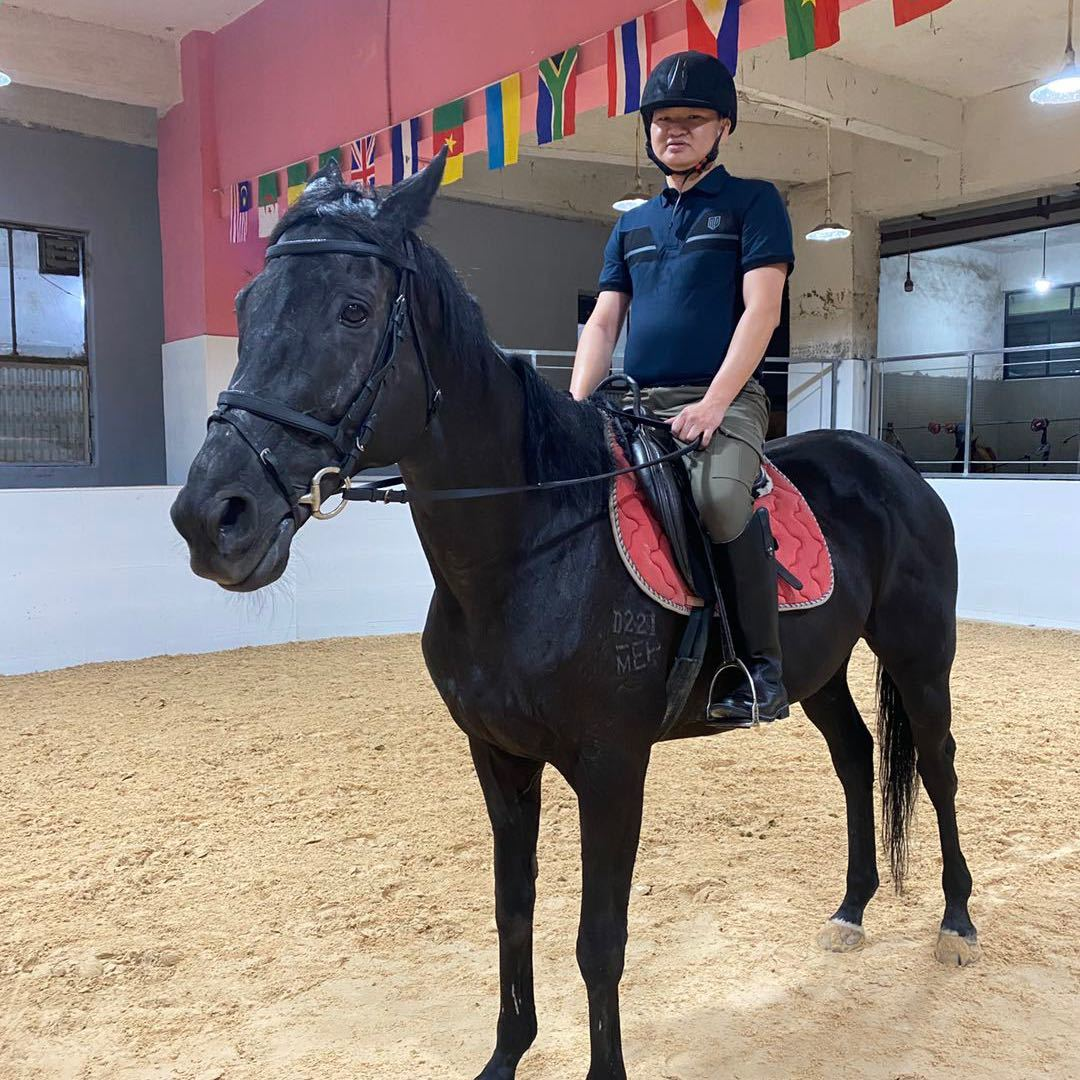

Riding Breeches Company Shares Expert Tips for Choosing the Perfect Pair
2026-11-21
If your breeches pinch at the waist or slide down halfway through a ride, the problem usually isn’t you—it’s the cut. At OpeEquestrian, we’ve pulled apart seams, compared knee patches, and spent long days in the saddle to learn what actually separates a pair you tolerate from a pair you forget you’re wearing. Below, we’re laying out the fit, fabric, and feature checks that make the decision easier—so your next pair works with you, not against you.
Nail the Fit Before You Even Mount
Most people treat the mounting step as the starting point, then wonder why everything feels off after ten minutes. The actual work happens before you reach for the hardware. Loosen whatever needs to loosen, mock up the angle on a flat surface, and check the contact points against your body or the frame without committing to a final tightness. A five-millimeter shift at this stage saves a lot of readjusting later.
If the contact patch is fighting the shape of the rail, tube, or bar, no amount of clamping pressure will make it sit right. Pay attention to how the part seats when there is no load—if it rocks, gaps, or needs to be forced, stop and reposition. Getting that quiet, stable match first means the bolts only have to hold a fit that already exists.
Once that dry fit feels locked in, mount it lightly, move through the full range of motion, and only then torque things down. You will know it is right because nothing creaks, shifts, or needs a last-minute nudge.
Fabrics That Move Without Losing Shape
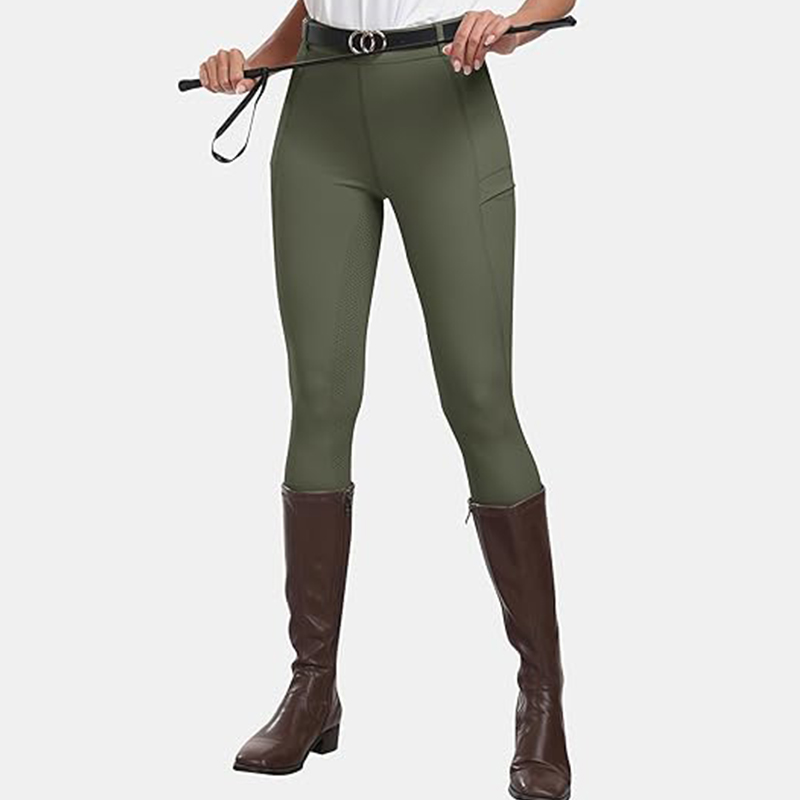
Stretch alone is easy. What’s harder to find is a fabric that stretches and still remembers where it started. These knits are built with a tighter recovery, so the give feels controlled rather than loose. After you reach, bend, or sit for hours, the cloth eases back into place instead of leaving the usual telltale sag at the elbows and knees.
That resilience comes from the way tension is distributed through the weave, not just from adding more elastic. Areas that normally pull out of shape, like waistbands and shoulder seams, stay steady because the surrounding fabric shares the load. You can move through a full day without tugging, smoothing, or adjusting. The shape stays quiet, and the fabric does its job.
Waistbands That Stay Put Over Long Rides
A waistband that rolls, slips, or digs in gets old fast once the miles add up. On long rides it isn’t just a comfort issue—it changes how often you stand, how deeply you breathe, and how relaxed you stay in the saddle. The right band stays quiet against your lower back and hips even when you’re sweating through a three-hour effort.
What separates the good ones from the annoying ones is mostly how the front is cut. A shallow elastic strip creates a pinch point, while a wider, curved panel follows the body better and keeps pressure off the stomach. At the rear, a small amount of grip—often a light silicone print or brushed fabric—helps the short stay anchored without the need for a drawstring.
After the first hour, moisture changes the fit. Fabrics that hold sweat become slick and start to move, which is why quick-drying fibers and breathable mesh panels matter in the band itself. When the waistband dries as fast as the rest of the short, it keeps the same position from the first climb to the last flat section.
Grip Details That Matter More Than You Think
Most grip conversations start and end with texture, but that misses the point. The way a handle narrows just before the index finger, or how a palm swell shifts pressure away from the base of the thumb, has a bigger impact on control than surface roughness alone.
Small interruptions in the surface do more than add friction. They create channels for moisture, give your fingertips a reference point without looking, and break up the monotony that leads to slippage during long use. A well-placed bevel can matter more than an aggressive pattern.
The best grip details tend to disappear in your hand. You only notice them when they are absent, usually as fatigue, a hot spot, or that instinct to wipe your palm before picking the thing up again.
Matching Length and Ankle Style to Your Boots
The height of your pants and the cut of the ankle do more than frame the boot—they control how the whole silhouette falls. A narrow shaft, like what you find on a Chelsea or zip-up style, sits cleanly under straight-leg or slim jeans with a short break. If the fabric pools too much, it bunches awkwardly around the collar and hides the clean line you are after. A slight crop or a single cuff is usually enough to let the boot speak without looking like you tried too hard.
Wider and chunkier shafts, such as logger boots or anything with a thick padded collar, need room to exist. Straight legs with a wider hem work well, but a tapered ankle can fight against the bulk. You want the pant leg to rest over the top without stretching tight, so the boot reads as part of the outfit rather than a hidden block underneath. If the denim is too narrow, the collar prints through and throws off the proportions.
Ankle height also changes which pants feel natural. A six-inch boot pairs easily with most jean cuts because it clears the calf and lets the leg drape without interference. An eight-inch or taller boot asks for a straighter, more relaxed pant to avoid a stuffed look. When in doubt, stand back and check where the fabric breaks: a clean, single fold over the vamp looks intentional, while heavy stacking around the shaft usually means the length is fighting the ankle style.
Care Routines That Keep the Fabric Looking New
Washing habits matter more than most people expect. Turning items inside out before they go into the machine keeps the outer surface from rubbing against zippers and heavier fabrics. A short cold-water cycle with a mild liquid detergent prevents fibers from stiffening, and skipping fabric softener helps the weave retain its natural breathability.
Drying is where a lot of damage happens. Instead of tossing everything into a hot dryer, lay garments flat on a towel or use a drying rack away from direct sunlight. If a dryer is necessary, choose the lowest heat setting and remove items while they are still slightly damp to avoid baking in creases and weakening the threads.
Between washes, small habits make the biggest difference. Blot spills with a dry cloth instead of rubbing, air the fabric out after wearing, and use a handheld steamer to release wrinkles rather than pressing with a hot iron. Storing items folded in a drawer, rather than hanging them, stops the shoulders and hem from stretching out of shape.
FAQ
Go for a cotton blend with enough stretch to move through a posting trot without pulling at the knee. Technical knits with nylon or elastane also hold their shape well and dry faster if you ride hard.
The leg should feel close to the skin without pinching behind the knee. You want a tapered lower leg that sits flat under tall boots, and any Velcro or elastic bottom should stay put without digging in.
If you spend a lot of time in the saddle, they usually are. Full-seat silicone gives a noticeably steadier feel for dressage or long schooling rides. For light hacks, knee patches often feel less sticky when you swing down.
A mid-rise works for a lot of riders because it stays at the waist without cutting in when you lean forward. High-rise can be better if you prefer extra coverage or often ride in a forward seat.
Pick a thicker technical fabric with a matte surface rather than a shiny knit. Try them on in bright natural light and bend over once or twice. If the fabric goes taut across the seat, put them back.
Yes, if you ride year-round. Summer riding asks for lightweight, moisture-wicking material, while winter calls for a brushed or thermal lining. One pair trying to do both usually ends up uncomfortable in either season.
Look at the small finishings: flat seams around the knee and seat, belt loops that don't twist, and a front closure that lies closed without gaping. A good pair keeps its shape after an hour instead of bagging at the knees.
Not automatically. Riding breeches should fit snugly without cutting off movement, so the larger size may bunch behind the knee. Check the waistband and the leg stretch together, and if the fabric has little give, then sizing up makes sense.
Conclusion
Finding the right pair of riding breeches often comes down to details that only become obvious after hours in the saddle. The team at Riding Breeches Company suggests starting with fit rather than size charts alone. A snug but not restrictive seat, a rise that follows the curve of your lower back, and enough room through the thigh keep fabric from bunching under the knee or pulling at the hip. Fabrics matter just as much: look for a blend with four-way stretch that snaps back after every ride, so the knees and seat do not bag out. A wide, contoured waistband with a silicone or elastic interior edge will stay put during long trot sets and bending work, while carefully placed knee patches or full-seat grip give security without making you feel glued to the saddle. Length should be chosen with your boots in mind; ankle cuffs that sit flat inside tall boots or fall cleanly over paddock boots create a tidy line.
Once you have the right cut and fabric, small habits keep breeches looking and performing well. Cold-water washes, turning them inside out, and skipping fabric softener protect elastic fibers and grip surfaces. Zip or button closures before washing prevent snags, and air-drying instead of machine drying extends the life of waistbands and hems. Rotating between two or three pairs also lets the fabric recover its shape between rides. Rather than chasing trends, focus on how a pair feels when you sit, post, and stretch down for your girth. The best breeches disappear during a ride, leaving you free to concentrate on your position and your horse.
Contact Us
Contact Person: Keven Tong
Email: [email protected]
Tel/WhatsApp: +86 18666477707
Website: https://www.ope-technology.com