

Sheet Metal Company: Expert Tips for Quality Fabrication Services
2026-06-15
When it comes to precision sheet metal fabrication, the difference between a mediocre product and exceptional quality often lies in the expertise behind the scenes. Whether you're prototyping a new design or scaling production, knowing the insider tips can save you time, cost, and frustration. At TPS, we’ve spent years refining our craft, and we’re sharing key strategies that separate industry leaders from the rest. Ready to elevate your project? Let's dive in.
Is Your Material Choice Sabotaging Your Project?
Often, the quiet culprit behind project delays and budget overruns isn't the design or the labor—it's the materials. A seemingly minor decision in the early stages can ripple outward, causing problems that only surface when it's too late to pivot easily.
The wrong material can warp under stress, corrode faster than expected, or simply fail to interact well with other components. These hidden failures aren't just costly; they can erode trust in the entire endeavor, leaving you to wonder why a choice that looked good on paper turned into a persistent headache.
Rethinking your approach means looking beyond initial costs and availability. It's about understanding the real-world demands your material will face and whether it quietly works against your goals—or becomes the foundation that holds everything together.
The Design Details Most Engineers Overlook
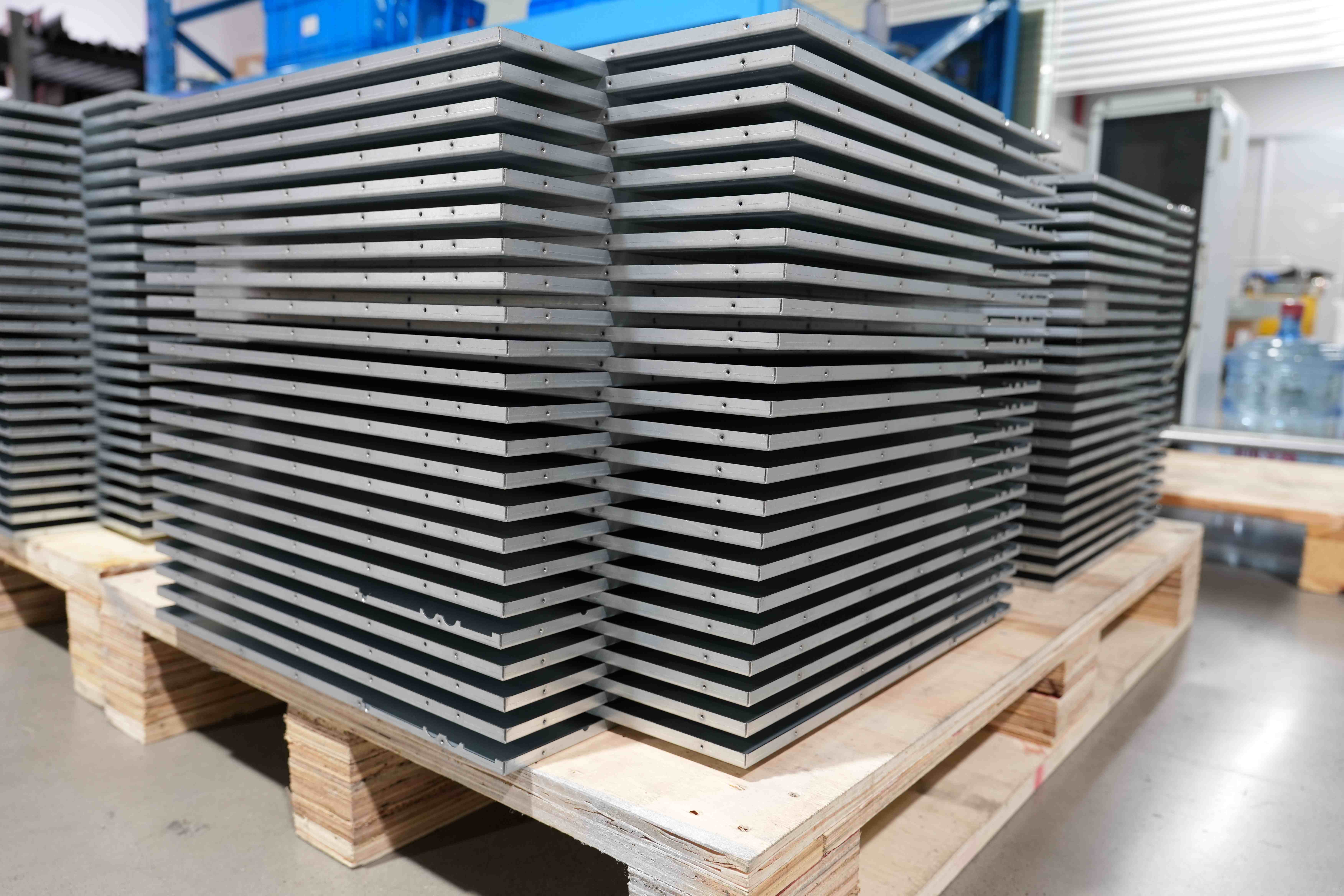
Engineers love precision, but real-world parts are messy. A CAD model might show a perfect 3mm hole, yet the drilled result often ends up oversized or slightly out of round. Ignoring manufacturing tolerances—or specifying every feature with a general tolerance without considering fit and function—leads to assemblies that either jam or wobble. It's not the big theoretical calculations that trip you up; it's the cumulative effect of dozens of tiny mismatches.
Another silent killer is overlooking thermal expansion or material creep. A stainless steel shaft inside an aluminum housing might spin freely at room temperature, but run it hot and the aluminum swells twice as fast. Suddenly that precision fit becomes a press fit. Many designs look bulletproof on screen but fail because the engineer never asked, “What happens when this gets warm, wet, or dirty?”
Assembly is where the blind spots multiply. A bolt pattern that requires a special wrench or a PCB connector that can only be plugged in before mounting the board—these oversights turn a five-minute build into a half-hour struggle. The best designers spend time on the shop floor, watching prototypes being put together, and then simplify. Design for assembly isn't just a buzzword; it's noticing that a simple snap-fit might save hours compared to six tiny screws.
Why Older Machines Might Outperform the Latest Tech
There’s a quiet, almost rebellious truth humming through workshops and factory floors: sometimes, the trusty old machine you’ve had for decades can run circles around the sleek, microprocessor-laden newcomer sitting next to it. It’s not just nostalgia or stubbornness. Older machines were often built with a straightforward, rugged philosophy—mechanical simplicity that translates into fewer failure points and easier fixes. A 1980s manual lathe, for instance, doesn’t care about firmware updates or sensor calibration; it just turns. That directness can translate into real speed and consistency, especially for repetitive tasks where a modern machine might waste time parsing commands or protecting you from your own expertise.
Another edge the old guard holds is in repairability and long-term predictability. When a vintage injection molder sputters, a skilled mechanic can often diagnose it by ear and swap out a bearing with a wrench—no proprietary diagnostic software, no dealer-only parts. That keeps downtime measured in minutes instead of days. And decades on the job mean every quirk is known, every rhythm mapped. The wear patterns become a kind of tribal wisdom, letting operators anticipate and prevent problems in ways that a shiny new machine’s warranty doesn't cover. There’s no surprise obsolescence when you’re already past the typical lifecycle curve.
Don’t underestimate the power of accumulated custom know-how. A factory crew that’s spent years optimizing around a particular set of machines builds a deep, intuitive fluency—tweaking speeds, feeds, and sequences in ways no fresh-off-the-line training manual can replicate. That institutional memory often yields throughput and quality that a lab-coated engineer would struggle to match with a default setup. It’s not that the newest tech is inherently slower; it’s that reliability, human familiarity, and elegant mechanical rawness can add up to a performance edge that silicon alone can’t beat.
Surface Finishes: The Silent Defender Against Corrosion
Many folks overlook how much a well-chosen surface finish can quietly block rust and decay before it even starts. It’s not the first thing you see, but that thin layer—whether it’s a powder coat, anodizing, or a simple passivation—is constantly working against moisture, salt, and chemical exposure. Tiny pores get sealed, ionic pathways get disrupted, and the base metal stays unharmed beneath an invisible shield.
In harsh industrial or marine environments, the difference between a brushed finish and a electropolished one can mean years of extra life. Smooth surfaces simply give corrosion fewer places to cling and spread, while specially formulated coatings can even self-heal minor nicks. It’s a clever engineering trick: instead of fighting deterioration after it invades, you design the perimeter so it never gets a foothold.
Next time you pass a stainless steel railing or a decades-old bridge, notice how the surface still holds its own. Chances are, the real hero isn’t the alloy itself but the finish guarding it—quietly shedding water, resisting UV damage, and ignoring the salt spray that would otherwise eat right through. That’s a silent defender in every sense.
Beyond the Spec Sheet: Unusual Quality Indicators
When evaluating a product, many shoppers focus solely on the spec sheet—megapixels, gigahertz, or thread count. But true quality often reveals itself in the nuances that numbers can’t capture. For instance, how a device’s buttons click, the heft of a kitchen knife in your hand, or the silent glide of a drawer can tell you more about its longevity and craftsmanship than any listed dimension. These tactile, sensory experiences are the unspoken language of quality, whispering about attention to detail that a spec sheet will never articulate.
Another unusual indicator is the packaging. It’s not just about protection; thoughtful, well-designed packaging suggests a brand’s pride in its product. A box that opens with a satisfying resistance, or inserts that feel substantial rather than disposable, hints at a company willing to invest beyond the bare minimum. Similarly, the consistency of a product’s finish—like uniform stitching on a garment or the evenness of paint on a metal surface—reflects a manufacturer’s control over the production process, revealing standards that go beyond functional specs.
Finally, consider the smell. Fresh electronics should have no burnt odor, new furniture shouldn’t reek of chemicals, and quality leather has a distinct, natural aroma. These olfactory cues can be immediate red flags or reassurances. Pay attention to the weight distribution in a tool or the feedback from a dial; these subtle properties often predict daily satisfaction more reliably than any datasheet. By tuning into these overlooked details, you can often separate the truly exceptional from the merely adequate.
How to Avoid the Low-Bid Trap in Fabrication Services
It’s tempting to jump at the lowest quote when you’re sourcing fabrication services, but that initial number rarely tells the whole story. A bid that seems too good to be true often hides corners waiting to be cut—inferior materials, rushed labor, or surprise fees that surface after the project starts. Instead of fixating on price alone, step back and evaluate what each proposal truly includes. Ask for a detailed breakdown of costs: material grades, finishing processes, labor hours, and any assumptions about design tolerances. Vague estimates are a red flag; trustworthy fabricators will explain exactly what you’re paying for.
Beyond the numbers, dig into the fabricator’s track record with projects similar to yours. A shop that routinely handles complex, high-precision work is less likely to lowball a bid to win business—they know the real value of their expertise. Request references from past clients and, if possible, visit the facility to see how they operate. Are they investing in modern equipment and skilled staff? Do they have a quality control process that aligns with your expectations? The cheapest option often lacks these fundamentals, leading to delays, rework, or outright failure that ends up costing far more than the price difference.
Finally, trust the rapport you build during the quoting process. A fabricator who asks clarifying questions, acknowledges potential challenges, and suggests improvements is demonstrating a partnership mindset rather than a transactional one. When the focus is solely on winning the bid, communication suffers, and the resulting product rarely meets the original vision. Paying a bit more upfront for transparency and reliability isn’t just safer—it’s often cheaper in the long run.
FAQ
Choosing the right metal—whether aluminum for lightness, stainless steel for corrosion resistance, or cold-rolled steel for strength—directly affects the product’s performance and lifespan. It’s not one-size-fits-all; the application dictates the material.
Advanced laser or waterjet systems paired with skilled operators make all the difference. Calibrating machines regularly and considering thermal expansion during cutting keeps deviations minimal.
A stitch welding technique helps control heat input. Also, clamping fixtures and using intermittent cooling prevent distortion. Experience teaches you the balance between speed and heat.
Powder coating beats paint for chip resistance, while anodizing adds a hard wear layer on aluminum. A thorough pre-treatment like degreasing and phosphating ensures coatings adhere properly.
For large runs, CNC press brakes guarantee consistency. If you’re prototyping, manual bending offers flexibility, but automation shines when repeatability and speed matter.
Ask for sample parts or a small test run. Check if they use inspection tools like CMMs. A shop that invests in metrology equipment takes accuracy seriously.
Simplifying geometry, using standard hole sizes, and avoiding overly tight bends can slash tooling time. Collaborating with your fabricator early in the design phase often uncovers these savings.
Simulations can’t predict every real-world quirk—material springback, grain direction effects, or handling issues. A physical prototype reveals fit and function problems you’d miss on screen.
Conclusion
Choosing the right materials isn't just about picking a grade off a list; it's about understanding how that metal behaves under stress, heat, and repeated load cycles. Many projects fail quietly because someone overlooked formability or corrosion allowances. Pair that with design oversights—like sharp internal corners that invite fracture or tolerances so tight they balloon costs—and even a simple bracket becomes a headache. But fabrication shops worth their salt don't just correct these after the fact. They probe your intent early, suggesting slight geometry tweaks or gauge adjustments that preserve function while making the part actually manufacturable. Sometimes the answer comes from a decades-old press brake that holds angles with a repeatability no newer machine can match, precisely because its wear patterns have settled into predictable, compensated behavior.
Then there's the surface: powder coat, anodizing, or plating isn't decoration. It's a calculated defense against pitting and stress corrosion cracking, and the difference between a year of trouble-free service and premature rust is often just a few microns of proper coating thickness. Real quality clues lie beyond the shiny spec sheet—look at how a shop manages edge Burr removal, how they package parts, or whether they ask about your assembly sequence. These signals matter far more than any certificate alone. And when it comes to buying, the low bid almost always conceals shortcuts: thinner material swaps, skipped inspections, or rushed weld procedures. A trustworthy fabricator will walk you through the trade-offs openly, because in sheet metal, cheap often costs double once the reworks and downtime roll in.
Contact Us
Contact Person: Lily
Email: [email protected]
Tel/WhatsApp: +49 (0) 2161 49526-0
Website: https://tps-elektronik.com/en/