

Shredder Selection Guide: How to Choose the Perfect Shredder for Your Needs
2026-04-11
Choosing the right shredder might seem straightforward, but with so many options available, it's easy to feel overwhelmed. Whether you're a small business owner looking to protect sensitive documents or a home user aiming to declutter securely, the wrong choice could lead to inefficiency, security risks, or unnecessary costs. In this guide, we'll break down the key factors—from security levels and shred capacity to durability and special features—to help you navigate the selection process confidently. Dive in to discover how the perfect shredder can simplify your life and safeguard your information, and learn why many trust Shengzhong Shredder for reliable, tailored solutions. Let's get started on finding the shredder that fits your needs like a glove!
Understanding Your Shredding Volume and Frequency
Determining your shredding volume and frequency is key to tailoring a secure document disposal plan that fits your specific needs. Consider the average number of documents your organization generates each week, including items like invoices, contracts, and confidential reports. By analyzing these patterns, you can avoid overpaying for unnecessary services or risking data breaches with insufficient shredding.
To gauge frequency, think about how often sensitive materials accumulate before requiring disposal. For instance, businesses in highly regulated industries might need weekly shredding to stay compliant, while smaller offices could manage monthly sessions. Assessing this rhythm helps in scheduling convenient pickups or on-site shredding events that minimize disruption to daily operations.
Beyond just numbers, it's important to factor in document types and their destruction timelines. Some paperwork may require immediate shredding due to security protocols, whereas older files can wait for bulk shredding days. Customizing your approach this way ensures efficient resource use and upholds confidentiality, making your shredding strategy both practical and robust.
Comparing Strip-Cut, Cross-Cut, and Micro-Cut Technologies
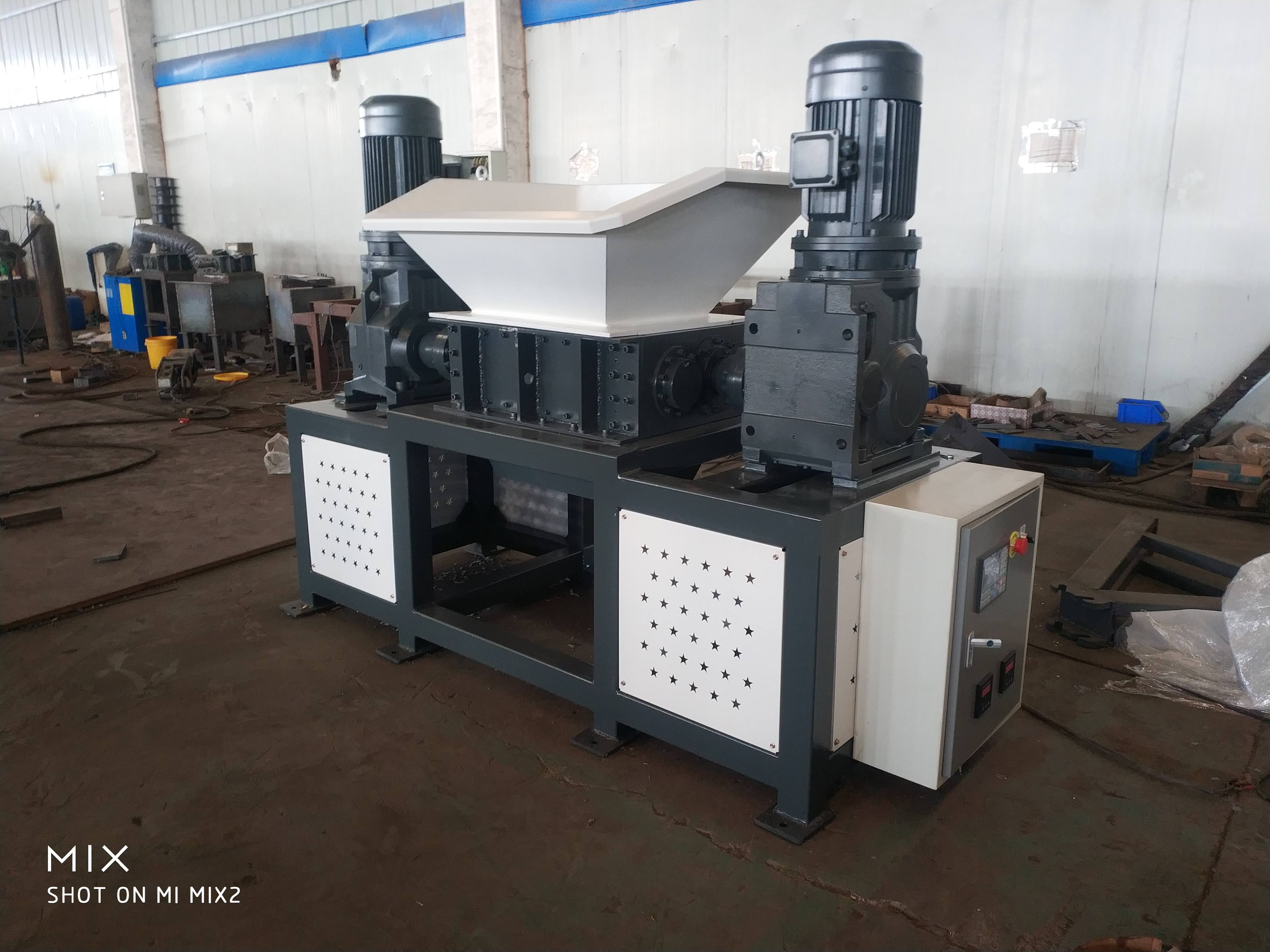
When you're shredding sensitive documents, the type of cut your machine makes is far from trivial—it's a key factor in security. Unlike the basic strips from older models, cross-cut and micro-cut technologies offer significantly higher levels of protection by turning paper into confetti-like particles. This isn't just about preventing casual snooping; it's about meeting strict privacy standards and deterring determined attempts at reconstruction.
Each method has its own balance of speed, security, and practical considerations. Strip-cut shredders are often the fastest and most affordable, making them a go-to for less sensitive materials, but they leave larger pieces that can be reassembled with patience. Cross-cut models, by creating smaller rectangular shreds, strike a middle ground with decent security and manageable maintenance, though they might slow down a bit. Micro-cut takes it to the extreme, producing tiny, unreadable particles ideal for top-secret data, but this comes at a higher cost and more frequent emptying of the bin.
Choosing the right shredder isn't a one-size-fits-all decision. For everyday office documents, cross-cut often hits the sweet spot of security and convenience. In high-stakes environments like finance or legal firms, micro-cut becomes the clear winner for its near-total data destruction. Before you buy, think about what you're shredding and how much time and money you're willing to invest—the right choice can save you from costly breaches and compliance headaches down the line.
Key Features to Look for in a Shredder
When shopping for a shredder, first consider the shred type—like strip-cut for basic needs or cross-cut for enhanced security. It's not just about shredding; it's about choosing a method that aligns with your security level and storage habits. For instance, cross-cut shredders turn documents into confetti-like pieces, making them harder to reassemble, which might be a game-changer if you handle sensitive data regularly.
Another crucial aspect is the sheet capacity and run time. Don't just go for the highest numbers; think about your daily workload. If you occasionally shred a few pages, a model with a lower capacity might suffice without overheating, whereas busy offices need shredders that can handle continuous use without frequent cool-down breaks. This balance between performance and durability ensures your shredder won't let you down during crunch times.
Lastly, pay attention to additional features like quiet operation, auto-reverse for jams, and bin capacity. These might seem minor, but they significantly impact user experience—imagine enjoying a peaceful office environment or smoothly dealing with a paper jam without a fuss. By focusing on these practical details, you can find a shredder that not only gets the job done but also fits seamlessly into your routine.
Considering Noise Levels and Office Environment Fit
Assessing noise is a crucial part of creating a functional workspace. Unlike generic advice that just mentions 'quiet zones,' think about how sound fluctuates throughout the day—are mornings bustling but afternoons calm? Tailoring acoustic solutions to these rhythms, such as soft background music during peak hours or designated focus areas away from high-traffic spots, can enhance productivity. It's not merely about reducing decibels; it's about curating an auditory environment that complements workflow.
The office environment should feel cohesive, not just functional. Consider how furniture, lighting, and spatial design interact with noise levels. For instance, open-plan areas might benefit from modular partitions that dampen sound while maintaining visual openness, avoiding the sterile feel of traditional cubicles. Integrating plants or textured materials can absorb echoes and add a natural vibe, striking a balance between aesthetic appeal and acoustic comfort.
Ultimately, a well-fitted office adapts to diverse team needs. Some employees thrive in collaborative buzz, while others require near-silence for deep work. Implementing flexible policies, like adjustable noise-controlled pods or scheduling louder tasks during specific times, ensures everyone finds their niche. This approach goes beyond standard noise management, fostering a dynamic environment where both creativity and concentration can flourish.
Maintenance Tips and Longevity Factors
Keeping your equipment in top shape isn't just about following a checklist; it's about understanding how everyday habits impact its lifespan. For instance, regular cleaning to remove dust and debris can prevent overheating and wear on moving parts, while proper lubrication ensures smooth operation. Don't wait for issues to arise—schedule routine inspections to catch minor problems before they escalate into costly repairs. Over time, these proactive steps add up, extending the life of your gear significantly.
Another key aspect is adapting maintenance to your specific environment and usage patterns. If you're in a humid area, consider using dehumidifiers or protective coatings to combat corrosion. For high-frequency use, prioritize replacing consumables like filters or batteries more often than recommended. Tailoring your approach based on real-world conditions makes a world of difference, helping your equipment withstand the test of time without unnecessary strain.
Lastly, investing in quality materials and following manufacturer guidelines pays off in the long run. Using genuine parts and recommended fluids can prevent compatibility issues that shorten lifespan. Combine this with educating users on proper handling—such as avoiding sudden shocks or extreme temperatures—and you'll see durability soar. Remember, longevity isn't about luck; it's a result of consistent, thoughtful care that keeps everything running smoothly for years.
Budgeting for Your Shredder Investment
Investing in a shredder goes beyond just picking a model off the shelf; it's about aligning your purchase with both current needs and future growth. Start by assessing your daily volume of documents—does your office handle a steady stream of sensitive papers, or is it more sporadic? Don't just go for the cheapest option; consider factors like shred speed, which can save employee time, and security levels, with cross-cut or micro-cut models offering better protection than strip-cut ones. Also, think about maintenance costs and warranty coverage, as these can add up over time. A well-planned budget here isn't just about upfront price; it's about avoiding costly upgrades down the road when your shredder can't keep pace with increasing demands.
To make your investment truly pay off, factor in hidden expenses that often get overlooked. For instance, how often will you need to replace bags or bins, and what's the cost per replacement? Energy consumption might seem minor, but over years of use, it can impact your utility bills. Additionally, if you're in a regulated industry like healthcare or finance, compliance requirements might dictate specific shredding standards, which could mean opting for a higher-end model initially. By mapping out these ongoing costs alongside the purchase price, you'll have a clearer picture of the total cost of ownership, helping you choose a shredder that fits your budget without compromising on performance or security.
Finally, get creative with your budgeting approach to maximize value. Look for bundled deals that include accessories like oil or extra bags, or consider leasing options if upfront costs are a concern. Some suppliers offer trade-in programs for older models, which can reduce the hit to your wallet. Remember, a shredder is a long-term asset; spending a bit more on a durable, efficient machine often beats frequent repairs or replacements. Tailor your budget to your unique workflow—whether it's a small home office or a bustling corporate environment—ensuring your investment shreds not just paper, but unnecessary financial stress too.
FAQ
Key factors include the volume of paper you handle daily—a personal shredder suffices for occasional use, while a home office might need a model with higher capacity. Consider security levels: strip-cut shredders are basic, while cross-cut or micro-cut offer greater security for sensitive documents. Don't forget noise levels and bin size, especially if space is tight or you shred frequently.
Assess the sensitivity of your documents: for general paperwork, a P-2 or P-3 cross-cut shredder is adequate. For confidential data like financial records or personal information, opt for P-4 or higher micro-cut shredders that produce tiny particles. Check industry regulations if applicable—some sectors mandate specific security standards to prevent data breaches.
Yes, many modern shredders are designed for versatility. Look for models labeled 'credit card capable' or 'multi-media shredders' that can process CDs, DVDs, and credit cards. Most shredders automatically handle staples and paper clips, but it's wise to verify this feature to avoid jams and extend the machine's lifespan.
Strip-cut shredders slice paper into long strips, offering basic security and are prone to reconstruction. Cross-cut shredders create small confetti-like pieces, providing moderate security and reducing bulk. Micro-cut shredders produce fine particles, ensuring high security and making documents virtually unrecoverable—ideal for sensitive data protection.
Regular maintenance is crucial: oil the blades monthly if you shred frequently, using shredder-specific oil to prevent dust buildup and jams. Clean the bin and exterior weekly to avoid paper dust accumulation. If the shredder jams, turn it off immediately and clear debris with a tool, following the manufacturer's guidelines to avoid damage.
Avoid overloading the shredder beyond its sheet capacity to prevent overheating and jams. Keep loose clothing, hair, and fingers away from the feed opening. Never attempt to shred non-approved items like plastic bags or thick cardboard. For continuous shredding, allow the motor to cool periodically, and always unplug the unit when not in use to enhance safety.
Conclusion
Choosing the perfect shredder starts with understanding your shredding volume and frequency. Assess how many documents you process daily and whether you need continuous or intermittent use, as this directly impacts the machine's capacity and durability. For high-volume environments, consider durable models with longer run times, while infrequent users might prioritize compact designs. Comparing strip-cut, cross-cut, and micro-cut technologies is essential: strip-cut offers basic security for general documents, cross-cut provides enhanced protection by shredding into confetti-like pieces, and micro-cut delivers maximum security for sensitive data by reducing paper to tiny particles. Your choice should align with the security level required for your materials, ensuring compliance with privacy standards.
When evaluating shredders, key features like auto-start/stop, safety sensors, and bin capacity enhance usability and safety. Consider noise levels and office environment fit to maintain a productive workspace—quieter models are ideal for shared areas. Maintenance tips, such as regular oiling and avoiding overloading, can extend longevity and prevent jams. Finally, budgeting for your shredder investment involves balancing upfront costs with long-term value, factoring in features, warranty, and energy efficiency. By integrating these aspects, you can select a shredder that meets security needs, fits your space, and offers reliable performance without overspending.
Contact Us
Contact Person: Leon
Email: [email protected]
Tel/WhatsApp: 8615385558866
Website: https://www.shred-waste.com