

Squeeze Tube Factory: From Design to Production Line
2026-07-31
At Sanrong Packaging, we don’t just squeeze tubes—we engineer them. Behind every flawless seam and precise nozzle lies a journey from initial concept to high-speed production, where design brilliance meets manufacturing rigor. In this post, we pull back the curtain on how a squeeze tube factory transforms a simple idea into a shelf-ready product, tackling material choices, prototyping hurdles, and the final leap to the assembly line. Whether you’re in cosmetics, pharmaceuticals, or food packaging, understanding this process is key to making smarter sourcing decisions—and we’re here to walk you through it, step by step.
Conceptualizing the Squeeze Tube
The squeeze tube emerged from a simple but stubborn problem: how to dispense just the right amount of a paste or gel without drying out the rest. Early containers were impractical—jars invited contamination, rigid bottles wasted product. The idea of a collapsible metal tube, first patented in 1841 for artists’ paints, solved this by letting you flatten the container as you used its contents, keeping air out and making every last bit accessible.
What makes the tube genuinely clever is its balance of minimalism and control. A sealed cylinder with a threaded cap, its body yields to pressure exactly where you pinch, yet springs back enough to stop the flow. This tactile feedback—the way resistance shifts as the tube empties—becomes part of the user’s ritual. Over time, materials evolved from tin and lead to aluminum and plastic laminates, but the underlying concept hasn’t changed: a portable, single-serving vessel that doubles as its own applicator.
More than just a container, the squeeze tube changed how we think about portioning and preservation. It turned toothpaste from a shared pot into a personal item, let ointments travel safely, and even inspired flexible food packaging. In an age of institutional design, the tube remains a quiet victory—a tool so embedded in daily life that its ingenuity is almost invisible.
Material Selection and Prototyping
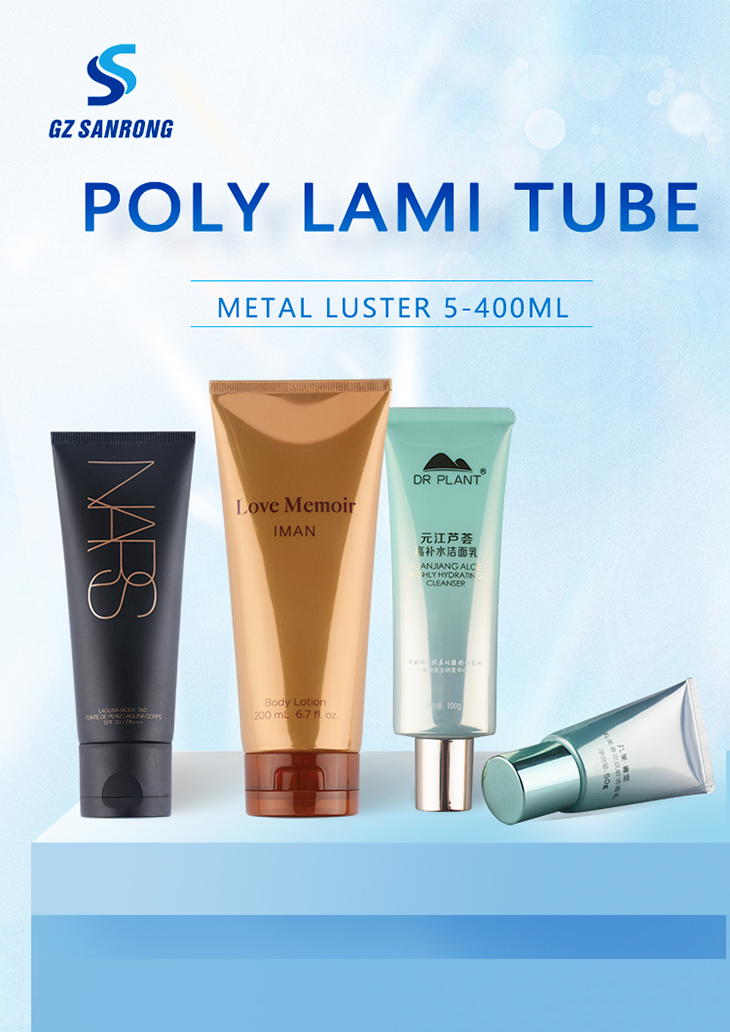
Selecting the right materials early on shapes everything—from how a product feels in your hands to how long it lasts under stress. We don’t just look at data sheets; we get physical with samples, bending, scratching, and dropping them to see how they hold up in the real world. It’s less about chasing the latest trend and more about matching properties like rigidity, weight, and heat tolerance to actual use cases, often blending off-the-shelf and custom compounds to strike that balance between performance and cost.
Prototyping is where assumptions meet reality. We build fast, functional models—not just for looks but to test how parts interact, how they survive assembly, and where they’ll fail first. Sometimes it’s a rough 3D print to check ergonomics; other times it’s a machined metal part pushed to breaking point. The goal isn’t perfection on the first try, but learning what’s worth refining and what’s simply over-engineered. Every snapped tab or warped surface teaches something that a simulation wouldn’t catch.
This back-and-forth between material choice and hands-on prototyping tightens the loop from concept to something tangible. Instead of waiting for a perfect spec, we iterate with what’s available, switching resins or adjusting wall thicknesses based on real feedback. It keeps projects moving without getting stuck in analysis paralysis, and often reveals simpler, smarter ways to get the job done—ones you’d never spot from a CAD screen alone.
Mold Design and Precision Engineering
The art of mold design sits at the crossroads of creativity and technical exactitude, where a single micron can determine the success or failure of a production run. It's not merely about shaping metal; it's about anticipating thermal expansion, material flow, and the subtle dance between cooling rates and cycle times. In high-stakes industries like medical devices or aerospace, the mold becomes the silent architect of component integrity, requiring a mindset that blends mechanical intuition with almost obsessive attention to detail.
Precision engineering elevates mold-making from a craft to a science, employing advanced metrology and real-time process monitoring to chase tolerances that were once considered theoretical. Every gate placement, vent channel, and ejector pin location is scrutinized through simulation before a single chip is cut, ensuring that the molten material behaves predictably under pressure. This proactive approach reduces costly iterations and transforms the mold into a reliable, data-driven system rather than a trial-and-error prototype.
What truly distinguishes exceptional mold design is its adaptability to the unpredictable nature of production environments. Engineers must account for variables like ambient temperature shifts, material lot variations, and long-term wear without compromising output quality. It's a discipline where experience often outpaces theory, and where the best solutions emerge from a deep understanding of both machine capabilities and the quirks of injection molding processes.
Production Line Setup and Automation
Setting up a production line often starts with mapping out the physical flow—where raw materials enter, how they move between stations, and where finished goods exit. We’ve found that even small tweaks to the layout can reduce handling time by double digits. Instead of replicating what’s common, we look at each step and ask: does this placement actually serve the people and machines, or is it just habit? Sometimes the most impactful change is moving a supply rack three feet closer to the assembly point.
Automation comes into the picture where consistency and speed matter most, but it’s easy to overengineer. We’ve seen lines where a fully automated cell ended up being bypassed because it couldn’t handle the twenty percent variation in product sizes that a human operator didn’t even notice. Our approach ties automation to the real bottlenecks, not just to what’s shiny. For instance, automating a simple pick-and-place operation freed up two workers from repetitive motion and let them focus on quality checks at the end of the line—a shift that improved throughput without adding complexity.
The difference between a line that runs and one that runs well often comes down to data that’s actually used. We embed sensors not to collect dust but to flag micro-stoppages that accumulate into hours of lost time. In one setup, tracking the frequency of a conveyor’s minor halts revealed a misaligned guide rail that was invisible to the naked eye. Fixing it cost almost nothing and gave us a five percent uptick in daily output. It’s those small, unglamorous adjustments—coupled with a team that isn’t afraid to experiment—that make a production line truly autonomous.
Quality Control and Testing Protocols
Quality control and testing protocols form the backbone of any manufacturing or service operation that takes consistency seriously. Rather than being a simple checklist, these protocols are a living framework designed to catch deviations long before they reach the customer. They cover everything from raw material inspection to final product auditing, with each step defined by clear pass/fail criteria. The goal isn't just to filter out defects—it's to understand how they happen and to tighten the process so they don't recur. Well-designed protocols are specific enough to eliminate ambiguity but flexible enough to adapt when new failure modes appear.
A robust testing sequence typically layers several types of checks. Incoming materials might undergo chemical analysis or dimensional verification, while in-process testing uses statistical sampling to catch drifts in real time. Non-destructive methods like ultrasonic testing or thermal imaging can probe structural integrity without wasting parts, and accelerated life testing pushes samples to their limits to expose hidden weaknesses. The real art lies in choosing the right balance of tests—too few and you risk escapes, too many and you bog down production without proportional gains. Experienced teams often refine their protocols based on field return data, root cause analysis, and even feedback from downstream users.
Documentation often gets treated as an afterthought, but it's actually the thread that ties everything together. Clear records of test parameters, environmental conditions, operator notes, and equipment calibration logs create an unbroken chain of accountability. When something goes wrong, those records turn a scramble into a targeted investigation. Beyond compliance, they support continuous improvement efforts by revealing patterns that isolated inspections would miss. As industries face tighter tolerances and faster cycle times, the strongest protocols aren't the ones with the longest lists—they're the ones that people actually follow because the logic behind each step is transparent and well-communicated.
Packaging and Distribution Strategies
A solid packaging approach does more than protect a product—it tells a brand's story long before a customer opens the box. From material choices to unboxing flow, every layer shapes how the brand is perceived. We lean into designs that feel intentional, using textures, inserts, and custom prints that spark curiosity and reinforce brand identity without adding unnecessary waste.
Distribution isn’t just about moving goods; it’s about meeting customers where they already are. We map out channels based on real shopping habits, blending direct-to-consumer fulfillment with select retail placements and third-party logistics partners. The goal is always to shorten delivery windows and reduce friction, whether that means region-based warehousing or dynamic inventory routing that adapts to demand spikes.
Sustainability threads through both packaging and distribution. We prioritize materials that are easy to recycle or return, and we work with carriers committed to carbon-neutral shipping options. It’s not a marketing bullet point—it’s simply how we build supply chains that last, because what works for the environment often works for the bottom line too.
FAQ
It starts with a deep dive into your product's formula and usage scenario—things like thickness, sensitivity to light, and how consumers will dispense it—so we can pick the right materials and shape before any sketches are drawn.
We don't just slap on a logo. Our design team works with your color specs, and we use techniques like high-definition flexo or offset printing, plus matte or gloss coatings, to make the graphics pop exactly the way you envisioned.
The approved design goes into tooling, where we manufacture specific parts like the tube shoulder and cap molds. Simultaneously, we source the raw laminate or extruded plastic and set up the printing plates.
Sure. It begins with extruding or laminating the body material, which is then cut into individual sleeves. The head is injection-molded and fused onto the sleeve, the cap is attached, and then the tube goes through decoration, curing, and final quality checks.
We use high-frequency welding for laminate tubes and precise thermal bonding for plastic tubes. After sealing, every tube is pressure-tested, and we regularly sample batches for burst-strength verification to ensure zero defects.
It depends on the product. We offer aluminum barrier laminate for oxygen-sensitive items, standard polyethylene for general use, and even PCR (post-consumer recycled) materials if you're looking to meet sustainability goals.
We run a small pilot batch first, using your exact formulation to test compatibility and filling line speeds. Any adjustments—like tweaking the orifice size or seal parameters—are made before scaling to mass production, so you don't have surprises later.
Conclusion
The journey of a squeeze tube from initial idea to full-scale production weaves together creative design and rigorous engineering. Early on, the focus is on understanding how the tube will be used—its shape, ergonomics, and dispensing needs. Material choice is pivotal, whether opting for aluminum, plastic, or laminated composites, each bringing distinct barrier properties, durability, and sustainability profiles. Rapid prototyping and iterative physical tests help refine the concept before committing to expensive tooling. Mold design then takes center stage, demanding extreme precision in cavity geometries, gate placements, and cooling layouts to ensure repeatable injection or extrusion cycles with minimal waste.
On the production floor, automation is the backbone of efficiency. Automated feeders, servo-driven extrusion lines, and robotic handling systems align to maintain consistent throughput and reduce human error. Quality control is embedded at every step: inline vision systems check wall thickness, seal uniformity, and print registration in real time, while off-line protocols like burst testing, leak detection, and accelerated aging validate long-term performance. The final stage integrates packaging solutions that guard against transit damage and streamline logistics—collation, case packing, and palletizing often handled by smart machinery that communicates with warehouse management systems. Distribution networks are tailored to deliver custom-demand tubes swiftly, balancing inventory levels with just-in-time supply for diverse markets.
Contact Us
Contact Person: Alex Wu
Email: [email protected]
Tel/WhatsApp: 86-20-37965868
Website: https://www.gzsanrong.com/en.html