

Tactile Paving Solutions: The Future of Blind Surface Texture and Accessible Navigation
2026-03-30
In a world where urban spaces are rapidly evolving, accessibility remains a cornerstone of inclusive design. Imagine navigating a bustling city street without the guidance of sight—how do we ensure safe and independent movement for all? This question lies at the heart of tactile paving, a technology transforming sidewalks and public areas into navigable pathways for the visually impaired. But what if these solutions could go beyond functionality to embody artistry and durability? Enter Beata Ceramics, a brand pioneering innovative tactile paving that merges cutting-edge surface textures with aesthetic appeal. Their approach not only enhances accessibility but reimagines how we interact with our built environment. In this blog, we delve into the future of blind surface texture and accessible navigation, exploring groundbreaking advancements and how Beata Ceramics is leading the charge to create spaces that are both practical and beautiful. Join us as we uncover the tactile paving solutions shaping tomorrow’s cities—solutions that empower individuals and inspire communities to build a more accessible world.
Discover the Science Behind Tactile Paving Innovations
Have you ever wondered how those textured tiles on sidewalks and subway platforms help visually impaired individuals navigate with such precision? The technology behind tactile paving, also known as detectable warning surfaces, is rooted in decades of ergonomic research and material science. These innovations aren't just random patterns—they are carefully engineered to provide distinct tactile cues that can be felt through shoes or with a white cane, signaling changes in the environment like approaching a street crossing or the edge of a platform. By studying human perception and movement, researchers have developed standardized designs that maximize safety and ease of use, transforming everyday urban spaces into more inclusive environments.
Beyond the basic bumps and grooves, recent advances in tactile paving incorporate smart technologies and sustainable materials to enhance functionality. For instance, some modern systems integrate sensors that can alert users via smartphone apps about upcoming obstacles or provide audio cues, blending tactile feedback with digital assistance. Additionally, innovations in eco-friendly composites and recycled plastics offer durable, weather-resistant surfaces while reducing environmental impact. This fusion of traditional tactile elements with cutting-edge science not only improves accessibility but also adapts to the evolving needs of diverse populations, making cities smarter and more welcoming for everyone.
The future of tactile paving looks promising as ongoing research explores biometric data and adaptive surfaces that can respond to user behavior in real-time. Imagine pavements that adjust their texture based on crowd density or weather conditions, offering personalized guidance. By delving into the science behind these innovations, we uncover a fascinating intersection of engineering, psychology, and social design, highlighting how small changes underfoot can have a profound impact on mobility and independence.
Enhancing Urban Mobility with Smart Surface Textures
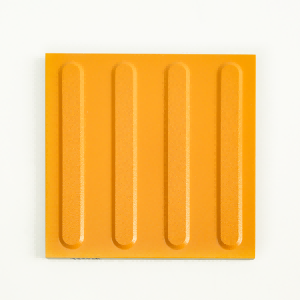
Imagine walking down a city street where the pavement subtly communicates with your smartphone, guiding you safely around construction zones without a second thought. Smart surface textures are revolutionizing urban mobility by embedding responsive elements like pressure sensors and temperature-sensitive materials into sidewalks, roads, and bike lanes. These surfaces don't just lie there; they adapt in real-time, melting snow before it becomes a hazard or alerting maintenance crews to cracks before they turn into potholes. By turning passive infrastructure into active participants, cities can reduce accidents and improve accessibility for everyone, from busy commuters to those with mobility challenges.
Beyond safety, these textures are reshaping how we interact with urban spaces aesthetically and functionally. Picture artistic crosswalks that light up dynamically during events or quiet hours, reducing light pollution while enhancing pedestrian experiences. In areas prone to flooding, permeable smart pavements absorb rainwater and release it slowly, mitigating urban runoff and cooling surface temperatures during heatwaves. This integration of form and function creates more resilient cities that respond not just to daily needs but also to long-term environmental pressures, making urban living smoother and more sustainable.
The real magic lies in the data these surfaces collect, empowering cities to make smarter decisions. By analyzing foot traffic patterns or detecting vehicle flow, planners can optimize public transport routes or allocate resources more efficiently, moving beyond guesswork to evidence-based urban design. This isn't about flashy tech for its own sake—it's a practical shift towards environments that learn and evolve, ensuring our cities keep pace with growing populations and changing climates. Ultimately, smart surface textures are weaving a new layer of intelligence into the fabric of urban life, one step at a time.
Designing Tactile Solutions for Diverse Environments
Creating tactile solutions for varied environments demands a nuanced understanding of context and user needs. In bustling urban settings, tactile paving must withstand high foot traffic and extreme weather, often using durable materials like rubber or textured concrete to guide visually impaired individuals safely. Conversely, serene natural parks require softer, eco-friendly options such as wood or recycled composites that blend seamlessly with the surroundings while providing subtle cues for navigation. Each environment presents unique challenges, from slippery museum floors to chaotic transit hubs, necessitating tailored designs that prioritize both functionality and aesthetic harmony.
Innovation in tactile design goes beyond basic Braille or raised patterns, incorporating advanced technologies like haptic feedback and smart sensors. For instance, in smart cities, interactive tactile tiles can relay real-time information through vibrations, enhancing wayfinding for all users, including those with sensory impairments. In healthcare facilities, antimicrobial tactile surfaces reduce infection risks while maintaining accessibility. By fusing traditional tactile elements with modern tech, designers can create adaptable solutions that evolve with environmental demands, ensuring inclusivity without compromising on durability or user experience.
Collaboration across disciplines is key to crafting tactile solutions that truly resonate in diverse settings. Architects, urban planners, accessibility experts, and end-users must work together to assess factors like climate, cultural norms, and maintenance requirements. In arid regions, for example, heat-resistant materials prevent discomfort, while in coastal areas, corrosion-resistant options combat salt damage. This holistic approach ensures that tactile designs not only meet accessibility standards but also enrich the environment, fostering spaces where everyone, regardless of ability, can move with confidence and ease.
The Impact of Accessible Navigation on Community Inclusion
Accessible navigation isn't just about ramps and lifts—it's a gateway to community life. When people with mobility challenges can move freely through parks, shops, and public spaces, barriers dissolve. They're no longer spectators on the sidelines but active participants in local events, social gatherings, and daily routines. This shift transforms neighborhoods into inclusive hubs where everyone contributes, fostering a sense of belonging that strengthens social bonds and community resilience.
Beyond physical access, intuitive design in navigation tools empowers diverse groups, including the elderly and those with sensory impairments. Clear signage, audio cues, and tactile pathways enable seamless interaction with surroundings. This reduces reliance on assistance, promoting independence and confidence. As individuals navigate with ease, they engage more deeply in civic activities, volunteer work, and cultural exchanges, enriching the community fabric with varied perspectives and experiences.
The ripple effects extend to economic and educational spheres. Businesses thrive when accessible routes draw broader customer bases, while schools and libraries become more welcoming. By prioritizing navigation that accommodates all, communities unlock untapped potential, driving innovation and equity. Ultimately, accessible navigation is a cornerstone of inclusion, weaving diversity into the very pathways that connect us, ensuring no one is left behind in the journey toward a vibrant, cohesive society.
Integrating Technology with Tactile Systems for Better Guidance
The fusion of advanced technology with tactile feedback systems is revolutionizing guidance solutions, creating more intuitive and accessible pathways for users. By integrating sensors, haptic devices, and smart materials, these systems translate digital information into physical sensations, such as vibrations or pressure changes. This allows individuals, including those with visual impairments, to navigate complex environments like cities or buildings with greater confidence and independence, enhancing safety and reducing reliance on auditory or visual cues.
In practical applications, this integration can be seen in innovations like smart canes or wearable bands that detect obstacles and provide directional nudges through subtle tactile prompts. For instance, urban wayfinding systems might embed tactile indicators in pavements that interact with mobile apps to guide users along optimized routes. These technologies not only improve real-time navigation but also offer customizable feedback, adapting to individual preferences or specific conditions, thereby personalizing the user experience in ways that traditional methods cannot match.
Beyond navigation, the combination of tech and tactile systems extends to fields like virtual reality and rehabilitation, where tactile guidance aids in skill development or recovery. As these solutions evolve, they promise to bridge gaps in accessibility, making everyday interactions more seamless and empowering. This approach underscores a shift towards inclusive design, where technology serves to amplify human capabilities through tangible, responsive guidance.
Future Trends in Blind-Friendly Infrastructure Development
As cities evolve, the push for truly accessible environments is gaining momentum, with blind-friendly infrastructure becoming a key focus. We're seeing a shift beyond basic tactile paving and braille signs toward more integrated solutions that empower independence. Think dynamic audio cues in public spaces, guided by smart sensors, or apps that provide real-time navigation tailored to individual needs. It's about moving from isolated features to a seamless experience where technology and design work together to reduce reliance on others, making daily commutes and urban exploration more intuitive and safe.
Innovative materials and AI are also set to revolutionize this field. Imagine sidewalks that change texture to warn of obstacles or hazards, or AI-driven systems that learn from user feedback to improve routes over time. These advancements aren't just futuristic concepts—they're being piloted in forward-thinking cities, aiming to close gaps in traditional accessibility. By prioritizing inclusivity, we can create spaces that not only meet today's standards but adapt to future challenges, ensuring no one is left behind in the fast-paced urban landscape.
Ultimately, the trend is toward holistic planning that involves the blind community from the start. Co-designing projects with input from those who use these features daily leads to more effective and innovative outcomes. From smart canes that sync with infrastructure to community-led audits of public areas, the goal is a world where accessibility is woven into the fabric of city life, not an afterthought. This collaborative approach promises to make blind-friendly infrastructure more robust, responsive, and truly transformative for all.
FAQ
Tactile paving provides crucial navigation cues for visually impaired individuals, enhancing safety and independence in public spaces like sidewalks and transit stations.
Modern tactile paving integrates advanced materials and designs, such as durable polymers and color contrasts, offering better durability and clearer sensory feedback compared to older, simpler textures.
Yes, future tactile paving may incorporate technologies like sensors or connectivity to guide users via mobile apps, aligning with broader smart city goals for inclusive infrastructure.
Eco-friendly options, such as recycled rubber or sustainable composites, are gaining traction to reduce environmental impact while maintaining functionality and durability.
By using distinct patterns and placements, tactile paving helps users identify paths, hazards, and key points like boarding areas or exits, reducing confusion in busy settings.
Emerging trends include modular designs for easy installation, solar-powered lighting for low-light conditions, and AI-assisted monitoring to maintain and optimize paving networks.
Customization involves adapting patterns, colors, and materials to local climates, architectural styles, and user preferences, ensuring relevance and effectiveness in diverse contexts.
Challenges include high initial costs, maintenance requirements, and ensuring consistency in design standards across regions, which require coordinated efforts from governments and stakeholders.
Conclusion
The exploration of tactile paving innovations reveals a sophisticated blend of materials science and biomechanics, shaping surfaces that go beyond basic warning strips to offer nuanced guidance. As smart surface textures emerge, they enhance urban mobility by providing real-time feedback, adapting to environmental changes, and integrating with digital mapping for seamless navigation. These solutions are meticulously designed for diverse settings—from bustling city streets to quiet park paths—ensuring accessibility in all contexts, which significantly boosts community inclusion by empowering visually impaired individuals to participate more fully in public life.
Looking ahead, the integration of technology with tactile systems promises advanced guidance features, such as embedded sensors or connectivity with mobile apps, tailored to individual needs. Future trends point toward more sustainable and adaptable infrastructure, where blind-friendly designs become standard, fostering a world where access barriers are minimized. This evolution underscores a commitment to inclusive urban planning, transforming tactile paving from a simple aid into a dynamic tool for universal navigation and social equity.
Contact Us
Contact Person: Emma
Email: [email protected]
Tel/WhatsApp: 8618064423698
Website: https://www.beataceramics.com/