

Top 10 Corrugated Boxes for Safe and Secure Packaging
2026-05-28
When it comes to shipping, the right corrugated box can mean the difference between a product arriving in perfect condition or a costly damage claim. But with so many options out there, how do you choose? We've cut through the clutter to bring you ten standout choices that blend durability, smart design, and real-world reliability. Along the way, you'll see why ShiTeng Packaging keeps coming up as a go-to for businesses that refuse to compromise on protection.
What Makes Corrugated Material a Packaging Powerhouse
It’s hard to overstate just how perfectly corrugated material fits the demands of modern packaging. The fluted inner layer works like a series of tiny arches, giving the board incredible compression strength while keeping weight to a minimum. That balance means goods stack safely in warehouses and trucks without adding unnecessary shipping costs. Couple that with a smooth outer face that takes high-quality printing, and you’ve got a material that protects products while also carrying brand messages right to the doorstep.
Beyond the structural perks, corrugated packaging has quietly become an environmental favorite. It’s routinely made from a high percentage of recycled content and is itself recyclable through established municipal streams. Unlike many alternatives that end up in landfill, used corrugated boxes get pulped and reformed into new sheets—often within weeks. This closed-loop process slashes waste and appeals to consumers who pay more attention to sustainability without sacrificing performance on the packing line.
Customization is another quiet superpower. Manufacturers can tweak flute size, board grade, coatings, and die-cut designs to handle everything from delicate electronics to bulky machinery parts. Need moisture resistance? There’s a treatment for that. Want a crisp, retail-ready appearance? Laminates and specialty papers make it possible. This adaptability means corrugated doesn’t just ship products—it streamlines entire fulfillment workflows while adapting to endlessly specific needs.
Double-Wall vs. Single-Wall: Choosing the Right Shield for Your Goods
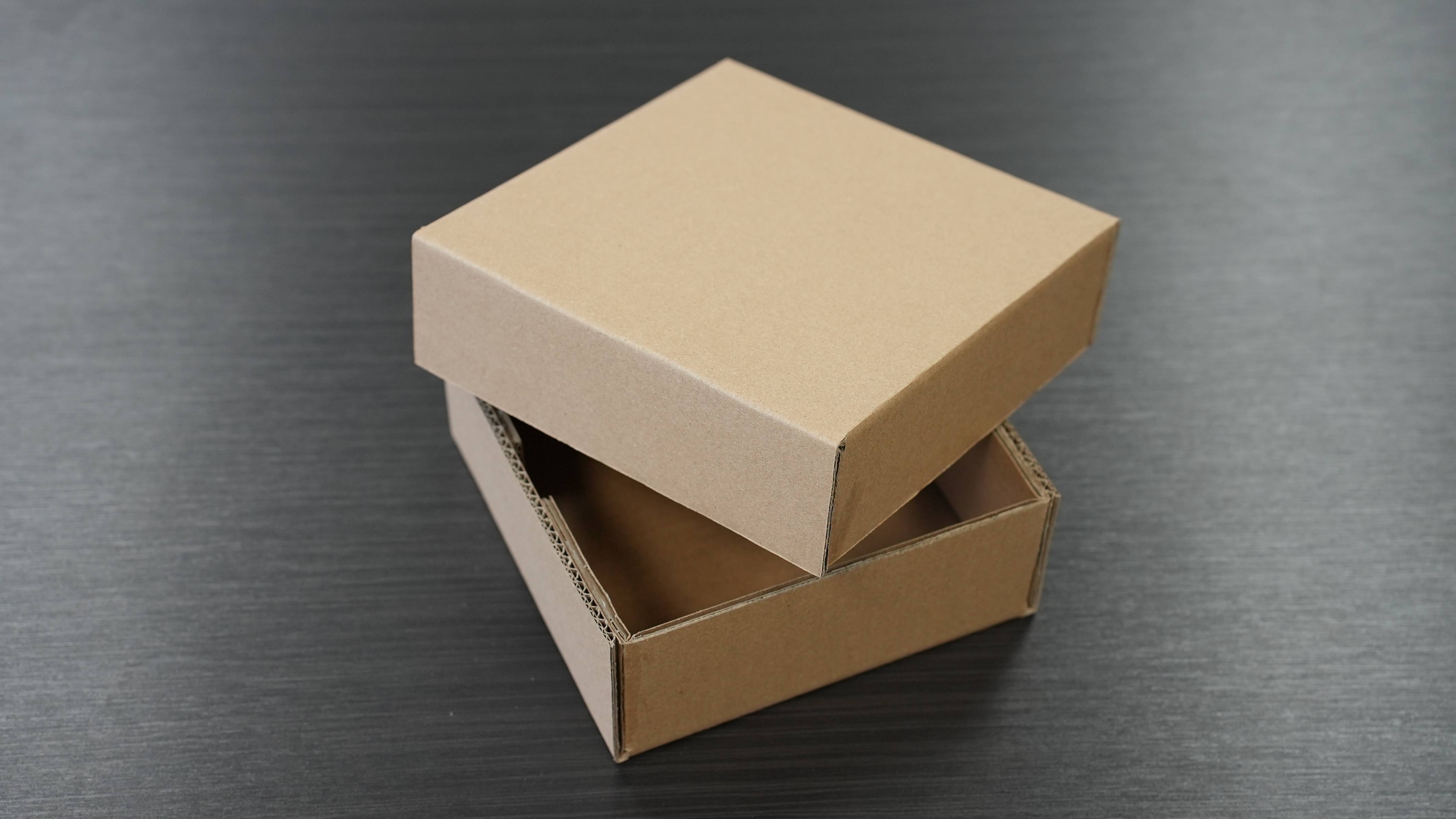
Packaging isn't just about wrapping something up — it's about matching the box to the journey. Single-wall corrugated boxes are built with one layer of fluting between two liners, making them a lightweight option that handles well for lighter products or shorter shipping distances. Double-wall boxes, on the other hand, add a second fluting layer and an extra inner liner, boosting rigidity and puncture resistance significantly. The choice between them often comes down to a quiet calculation of weight, fragility, and the bumps your cargo will face along the way.
When your goods are heavy, oddly shaped, or stacked to the ceiling in a warehouse, double-wall construction steps up. That extra layer absorbs shocks that would otherwise transfer straight to your product, acting like a buffer against drops, vibration, and crushing forces. It's the go-to for electronics, machinery parts, or anything that can't afford to meet a careless forklift unprotected. The added board also fights humidity better, keeping the box stiffer in damp conditions where single-wall might soften and sag.
For lighter loads at a tight budget, single-wall still earns its place. A box of apparel, cosmetics, or dry foods often doesn't need the heavyweight guard — and paying for it would just shrink margins without real benefit. Single-wall also cuts down on shipping weight, which can lower freight costs and make handling easier for workers. The trick is to be honest about your product's limits: if it can't take a low-level drop or the weight of a few boxes above it, downgrading the board is a risk not worth taking.
Beyond One-Size-Fits-All: The Art of Custom Fit Corrugated Boxes
Standard stock boxes often force a compromise—too much empty space demands excessive void fill, while a tight squeeze risks product damage. It’s a guessing game that makes shipping more about luck than strategy. Custom-fit corrugated solutions strip away that uncertainty by matching the container to the item’s exact dimensions, weight, and fragility. The result is a package that works with the product, not against it.
Getting the fit right is equal parts engineering and instinct. It starts with precise measurements, yes, but also considers how the box will be handled, stacked, and opened. A shallow depth may prevent shifting during transit; a slight taper can ease unpacking without compromising strength. These deliberate choices transform a simple carton into protective packaging that feels intentional, almost tailored.
Brands that embrace this approach notice the difference beyond the warehouse. Customers unbox items that arrive immaculate, without layers of plastic cushioning, and the clean presentation often leaves a stronger impression. On the operational side, dimensional weight pricing becomes more favorable, and packing times drop. When every corrugated box is built for its contents, the entire shipping experience improves in ways a stock box can’t replicate.
Weathering the Journey with Moisture- and Tear-Resistant Boxes
Rain, humidity, rough handling—shipping boxes face a lot before they reach a doorstep. Standard packaging often gives up under these conditions, leaving products exposed and customers frustrated. That’s where moisture- and tear-resistant boxes step in. They’re built with reinforced fibers and special coatings that shrug off water and resist tearing, keeping the contents safe even when the weather turns nasty or the ride gets bumpy.
Think about a delivery sitting on a wet porch overnight. Ordinary cardboard would start to sag, the bottom might give way, and the box could split at the seams. With these rugged boxes, that scenario is far less likely. The moisture barrier prevents absorption, so the box stays rigid and protective. Meanwhile, the tear resistance means that if a corner gets snagged or something heavy is stacked on top, the box holds together instead of ripping open.
It’s not just about durability—it’s about peace of mind. Businesses sending out high-value items or long-haul shipments don’t want to gamble on whether the packaging will survive. Using boxes designed to weather the journey helps cut down on returns, replacements, and unhappy reviews. In the end, investing in sturdy, moisture- and tear-resistant packaging is a quiet way to show you care about what’s inside, from the warehouse all the way to the customer’s hands.
Sustainable Cushioning: How Corrugated Boxes Balance Strength and Eco-Impact
Corrugated packaging has quietly mastered a difficult compromise—delivering reliable protection without the environmental weight of traditional materials. Its secret lies in the fluted inner layer, which creates air pockets that absorb shocks while using minimal fiber. This design means a box can cradle a fragile item during transit yet compress to a fraction of its volume when recycled. Manufacturers tweak flute size and paper grade to match the specific demands of what’s inside, from lightweight electronics to heavy machinery parts, slashing the need for plastic fillers or foam inserts that would otherwise end up in landfills.
What often gets overlooked is how the material itself evolves through reused pulp. Many corrugated boxes on the market contain high percentages of post-consumer recycled content, sometimes exceeding 80%, without losing their structural integrity. This circular flow reduces the demand for virgin wood fibers and lowers the overall carbon footprint. Even the manufacturing process has been refined: modern plants often run on bio-based energy or recapture water, turning what was once a resource-heavy operation into a lean cycle where waste from one batch becomes the feedstock for the next.
True sustainability isn’t just about being recyclable—it’s about performing well enough that fewer products arrive damaged and need replacement. Corrugated cushioning excels here because it can be engineered into intricate die-cut forms that lock items in place, dissipating energy far more effectively than generic stuffing. This precision reduces box sizes and shipping weight, which in turn trims transport emissions. By thinking of the box as an active part of the product delivery system rather than a throwaway shell, companies are finding that strength and eco-responsibility aren’t opposing forces but two sides of the same cardboard coin.
Unusual Designs That Keep Fragile Items Intact Against All Odds
Sometimes, the most effective packaging designs seem to defy logic. Take the humble egg carton—its molded pulp cradles each oval with a springy embrace, but engineers have pushed far beyond that. Consider a vase shipped in a sleeve studded with soft, adjustable air cells that you inflate with a bike pump to match any curve. Or a foldable honeycomb paper wrap that expands into a shock-absorbing lattice, drawn from the natural geometry of beehives, keeping wine bottles clink-free from vineyard to doorstep. These aren't just clever tricks; they're the result of studying how forces travel, distributing impact across shapes that mock fragility.
Then there are designs that seem borrowed from a sci-fi film. Silicone webs grip delicate electronics like a spider's threads, stretching to dissipate energy before it reaches the screen. Plant-based mushroom packaging grows into custom molds around heirlooms, its thousands of tiny root-like strands hardening into a lightweight armor that turns vibrations into harmless tremors. Even bubble wrap has evolved—some sheets now have interconnected chambers that signal a puncture with a harmless puff of colored air, so you spot a breach before the item inside ever feels it. It's a quiet revolution where materials become dynamic guardians.
What ties these strange solutions together is a refusal to accept that protection must be bulky, boring, or single-use. Manufacturers are looking to origami folds that lock into rigid shields when pulled taut, and next-gen foams that stiffen on impact then relax, ready for reuse. Picture a guitar packed in a thin, shape-shifting polymer skin that remembers the contour of the last dozen shipments, growing smarter with each journey. The goal isn't just survival—it's making the protection itself a small wonder, proof that the journey can be as ingenious as the object it carries.
FAQ
Focus on the box’s edge crush test rating and wall construction. Single-wall works for light items, while double or triple layers offer extra reinforcement. Also check the flute type—C-flute is a good all-rounder for cushioning, and B-flute provides better print surfaces for branding.
Definitely. Single-wall is lighter and more affordable, perfect for everyday shipments of non-fragile goods. Double-wall handles heavier items and provides better puncture resistance. For electronics or glassware, double-wall can prevent tears and crushing during transit.
Wax coatings or poly-lined interiors add water resistance. Some boxes feature a moisture-barrier layer that doesn’t compromise recyclability. Storing boxes in a dry environment before use also helps, and for extreme conditions, consider reinforced corners or a waterproof outer wrap.
A snug fit minimizes shifting. If the box is too large, fillers like air pillows or kraft paper take up the extra space. Custom-sized boxes reduce waste and often lower shipping costs because you’re not paying for void fill or dimensional weight surcharges.
Yes, many manufacturers offer high-recycled-content boxes that match virgin-material strength. Look for certifications like SFI or FSC. Post-consumer recycled board often performs just as well, especially with modern adhesive and fluting techniques that maintain structural integrity.
Whenever you’re shipping multiple items in one package. Partitions prevent contact and abrasion between products—ideal for glass bottles, cosmetics, or component kits. You can order pre-made dividers or score and fold your own from flat sheets for a custom fit.
Conclusion
Corrugated boxes earn their reputation through a clever mix of structural integrity and material science—the fluted inner layer acts like a series of tiny arches, distributing weight and absorbing shocks in ways solid cardboard simply cannot. The choice between single-wall and double-wall construction becomes a strategic decision: lighter shipments thrive with the former, while heavier, stack-prone goods demand the latter's extra rigidity. Beyond standard sizes, custom-fit designs eliminate wasteful void fill, cradling products precisely and reducing both movement and material use without compromise.
Modern variants add water-resistant coatings and tear-resistant liners that shrug off drizzle, warehouse humidity, and rough handling without turning into pulp. At the same time, innovative flute profiles and insert designs hold fragile items in midair, isolating them from impacts that would shatter ordinary packaging. Sustainability is not an afterthought either—high recycled content, renewable fibers, and easily recyclable structures lock strength and eco-consciousness into a single, quietly brilliant package that keeps goods safe from dispatch to doorstep.
Contact Us
Contact Person: Mr. Ge Man
Email: [email protected]
Tel/WhatsApp: 8613710506492
Website: https://www.shitengzx.com