

Top 10 Drop-out Fuses: Essential Safety Features for Electrical Systems
2026-01-07
In electrical systems, safety is paramount, and nothing ensures this better than drop-out fuses. These devices have evolved to become essential safeguards against overcurrent faults, protecting both equipment and people. At Lugao, we're dedicated to advancing electrical safety with innovative solutions. In this blog, we'll explore the top 10 drop-out fuses that are transforming modern installations. Discover how these components not only enhance reliability but also integrate seamlessly into diverse applications. Get ready to dive into the key features and benefits that make each fuse a standout choice for engineers and technicians alike.
Understanding the Role of Drop-Out Fuses in Circuit Protection
In electrical systems, drop-out fuses serve as a critical line of defense against overloads and short circuits, functioning by intentionally melting a fusible element when current exceeds a set threshold. This simple yet effective mechanism disconnects the circuit, preventing damage to expensive equipment like transformers or motors. Often used in overhead power lines and industrial settings, they provide a reliable and cost-effective solution for isolating faults without complex electronics, ensuring safety and minimizing downtime during electrical disturbances.
Unlike some modern circuit breakers that can be reset, drop-out fuses are designed as one-time-use devices, which might seem outdated but offer distinct advantages in certain scenarios. Their passive operation means they don't require external power or control signals, making them highly reliable in remote or harsh environments where maintenance is infrequent. Additionally, their visible 'drop-out' action—where the fuse carrier falls away after operation—provides a clear visual indication of a fault, aiding in quick diagnosis and repair without sophisticated monitoring tools.
Choosing the right drop-out fuse involves considering factors like voltage rating, current capacity, and response time to match specific circuit needs. While advancements like smart grids and digital protection devices are becoming more prevalent, drop-out fuses remain a staple in many applications due to their simplicity, durability, and proven track record. By understanding their role, engineers can better integrate them into comprehensive protection strategies, balancing tradition with innovation to enhance overall system resilience.
Key Factors to Consider When Selecting Drop-Out Fuses
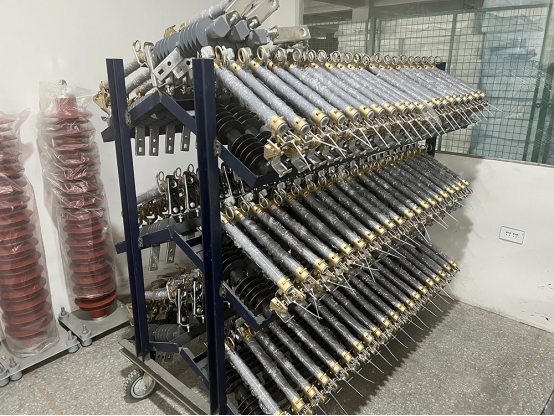
When it comes to choosing drop-out fuses, think of them as the unsung heroes in your electrical system’s safety net. These devices are designed to interrupt fault currents and protect equipment, but not all fuses are created equal. Start by assessing the voltage rating—it must match or exceed your system’s operational level to prevent dangerous arcs or failures. Also, consider the interrupting capacity; a fuse that can’t handle the maximum fault current in your setup might just blow without doing its job, leaving your network vulnerable. Don’t overlook the physical environment either—factors like humidity, temperature swings, and exposure to elements can affect performance, so opt for designs with robust enclosures if needed.
Another critical aspect is the time-current characteristic, which dictates how quickly the fuse responds to overcurrents. You might want a fast-acting fuse for sensitive circuits to minimize damage, or a slower one for motors that experience temporary surges during startup. Additionally, check the fuse’s construction materials and durability; cheap alternatives might save upfront costs but could lead to frequent replacements or safety hazards down the line. It’s also wise to verify compatibility with existing switchgear—mismatched sizes or mounting types can cause installation headaches and compromise reliability.
Lastly, keep an eye on maintenance and accessibility. Some drop-out fuses are easier to inspect and replace than others, which matters in systems where downtime is costly. Look for models with clear indication mechanisms, like visible trip flags, to quickly identify blown fuses without extensive testing. And remember, while cost is a factor, prioritizing quality and fit for your specific application often pays off in enhanced safety and longevity, reducing overall lifecycle expenses. Balancing these elements ensures you pick a fuse that not only meets technical specs but also integrates smoothly into your operational workflow.
Installation Best Practices for Drop-Out Fuses in Electrical Systems
When installing drop-out fuses in electrical systems, it's crucial to start with a thorough site assessment to ensure that the environmental conditions—such as temperature fluctuations, humidity levels, and exposure to corrosive elements—are compatible with the fuse specifications. This proactive step helps prevent premature failures and enhances overall reliability, especially in outdoor installations where weather can be unpredictable.
Proper mounting and alignment are often overlooked but play a significant role in performance. Securely fasten the fuse to a stable structure, avoiding vibrations or mechanical stress that could lead to misalignment. For overhead lines, ensure sufficient clearance from surrounding objects and adhere to local safety regulations to minimize risks of arcing or accidental contact, which can compromise both the system and personnel safety.
Additionally, integrating smart monitoring tools during installation can provide real-time data on fuse condition and performance, allowing for predictive maintenance rather than reactive fixes. This approach not only extends the fuse lifespan but also optimizes energy distribution, making the electrical network more resilient and efficient in the long run.
Maintenance Tips to Ensure Reliable Performance of Drop-Out Fuses
To keep your drop-out fuses running smoothly for years, start with a regular visual inspection. Look for any signs of corrosion, cracks, or discoloration on the fuse body and contacts. These can be early warnings of potential failures. Don't just glance—take a moment to check the alignment of the fuse holder and ensure it's not bent or loose, as this can affect how it drops out during a fault. A quick wipe-down with a dry cloth can also help remove dust or debris that might interfere with operation. Think of it like giving your car a once-over before a long trip; a little attention now can prevent bigger headaches later.
Testing the mechanical operation is a step many overlook, but it's crucial for reliability. Periodically simulate a fault by manually tripping the fuse to see if it drops out cleanly and without sticking. This isn't about fancy tools—just a gentle pull to verify the mechanism works as intended. If you notice any hesitation or resistance, it might be time to lubricate the pivot points with a non-conductive grease, but avoid overdoing it, as excess can attract dirt. Remember, these fuses are your first line of defense against power surges, so ensuring they move freely ensures they'll protect your system when it matters most.
Finally, don't forget about the electrical side of things. Use a multimeter to check for proper continuity and resistance values, comparing them to the manufacturer's specifications. If readings are off, it could indicate internal damage or wear. Also, inspect the surrounding wiring and connections for tightness and signs of overheating, such as melted insulation. This holistic approach—combining visual, mechanical, and electrical checks—not only extends the fuse's lifespan but also boosts overall safety. It's a simple routine that pays off by minimizing unexpected downtime and keeping your equipment humming along reliably.
Comparing Drop-Out Fuses with Other Fuse Types: Advantages and Limitations
When evaluating drop-out fuses against other fuse types like cartridge or rewireable fuses, one key advantage lies in their ability to visibly indicate a fault. Drop-out fuses, often used in overhead power lines, literally 'drop out' or fall open when they blow, providing a clear visual cue even from a distance. This makes troubleshooting quicker compared to other types where you might need to test or inspect closely to detect failure, saving time and effort in maintenance scenarios. However, this advantage can also be a limitation in some settings—for instance, in enclosed or indoor environments where the falling mechanism isn't practical or safe, other fuse types might be preferred for their compact and contained design.
In terms of durability and cost-effectiveness, drop-out fuses often outperform alternatives like rewireable fuses, which require manual replacement of the fuse wire after a blow. While rewireable fuses are cheaper initially, the repeated labor costs and potential for incorrect rewiring can add up over time. Drop-out fuses, by contrast, are sealed units that get swapped out entirely, reducing human error and maintenance headaches. Yet, this comes at a higher upfront cost, and the need for specialized parts can make them less accessible in remote areas compared to more universally available fuse types, highlighting a trade-off between initial investment and long-term reliability.
Another point of comparison is environmental adaptability. Drop-out fuses excel in outdoor or harsh conditions, such as in utility poles exposed to weather, where their robust construction and visible status indicators prove invaluable. Other fuse types, like cartridge fuses, might corrode or fail silently in such settings, leading to undetected issues. But on the flip side, drop-out fuses aren't always the best fit for high-precision applications, such as in sensitive electronics, where fast-acting or current-limiting fuses offer tighter protection. This limitation underscores the importance of matching the fuse type to the specific operational context, rather than assuming a one-size-fits-all solution.
Real-World Applications: Where Drop-Out Fuses Shine in Industrial Settings
In industrial environments, drop-out fuses have long been the unsung heroes of electrical safety and reliability. Picture a bustling manufacturing plant where machinery runs non-stop: these fuses step in seamlessly during temporary overloads or short circuits, preventing costly downtime by isolating faulty sections without shutting down the entire system. Their ability to handle high current interruptions, often in harsh conditions, makes them indispensable for protecting transformers, motors, and distribution lines from catastrophic failures. Unlike more complex systems, they offer a straightforward, failsafe mechanism that maintenance crews can rely on without constant monitoring, ensuring operations hum along smoothly even under stress.
One standout application is in renewable energy installations, such as wind farms or solar power grids, where environmental factors pose unique challenges. Here, drop-out fuses excel by withstanding extreme weather—like heavy rain or dust storms—while maintaining their protective role. They're particularly useful in remote locations where quick repairs are tricky; their simple design allows for easy replacement, minimizing service interruptions and keeping energy flowing to communities. This adaptability highlights how these fuses aren't just old-school tech but a vital component in modern, resilient infrastructure projects.
Beyond traditional settings, drop-out fuses find niche roles in heavy industries like mining or oil refineries, where explosive atmospheres demand robust safety measures. Their non-electrical operation means no sparks are generated during disconnection, reducing fire risks in volatile areas. This feature, combined with their durability against corrosion and vibration, ensures they keep critical systems running safely for years. It's this blend of simplicity and reliability that makes drop-out fuses a trusted choice, proving that sometimes the best solutions are the ones that just work without fanfare.
FAQ
Drop-out fuses are designed to interrupt power during overloads or short circuits by melting a fusible element, automatically dropping out to indicate a fault and prevent equipment damage.
Unlike regular fuses that burn out in place, drop-out fuses physically separate from their housing when tripped, providing a clear visual cue that maintenance is needed.
They enhance safety by quickly isolating faults, reducing fire risks and electrical arc hazards, especially in overhead lines where manual intervention might be dangerous.
Regularly inspect for corrosion or wear, test the mechanical drop-out mechanism periodically, and replace fuses according to manufacturer guidelines to avoid unexpected failures.
Extreme temperatures, moisture, and pollution can degrade fuse elements or housings, so selecting weather-resistant models and applying protective coatings can help maintain functionality.
Yes, standards such as IEC 60282 and IEEE C37.40 provide specifications for ratings, testing, and installation to ensure consistency and safety across electrical networks.
Conclusion
Drop-out fuses are critical safety components in electrical systems, designed to interrupt fault currents and prevent damage. Their role in circuit protection is paramount, as they reliably disconnect faulty sections, minimizing downtime and enhancing overall system integrity. When selecting these fuses, key factors such as voltage rating, interrupting capacity, and environmental conditions must be carefully evaluated to ensure optimal performance and safety.
In industrial applications, drop-out fuses excel due to their robustness and ease of operation, often outperforming other fuse types in high-demand settings. Proper installation and maintenance are essential; following best practices during setup and regular inspections can prevent failures and extend lifespan. By comparing their advantages, like quick fault isolation, with limitations such as cost, users can make informed decisions, ensuring these essential features contribute effectively to electrical safety and reliability.
Contact Us
Contact Person: Doreen
Email: [email protected]
Tel/WhatsApp: 8618057712366
Website: https://www.liugaopower.com/