
Top 10 Single Shaft Shredders for Efficient Waste Processing
2026-10-20
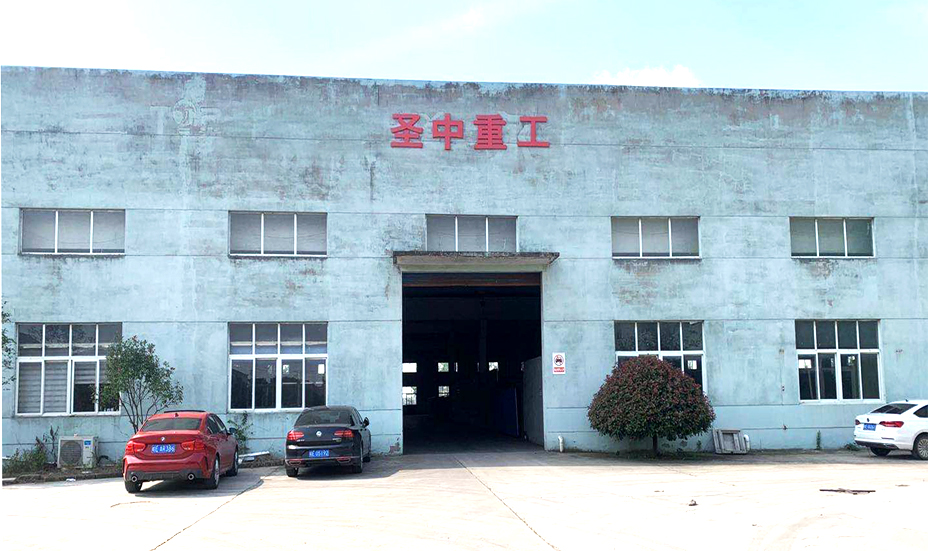
Waste processing demands equipment that can handle tough materials without breaking a sweat. Single shaft shredders have become the go-to choice for many facilities thanks to their reliability and consistent output. But with so many options on the market, how do you pick the right one? In this post, we dive into the top 10 single shaft shredders for efficient waste processing, breaking down what makes each stand out. And if you're looking for a proven performer right from the start, keep an eye on Shengzhong Shredder — its robust design often sets the benchmark. Read on to see which models made the cut.
The Real Difference Between Mid-Range and Premium Single Shaft Shredders
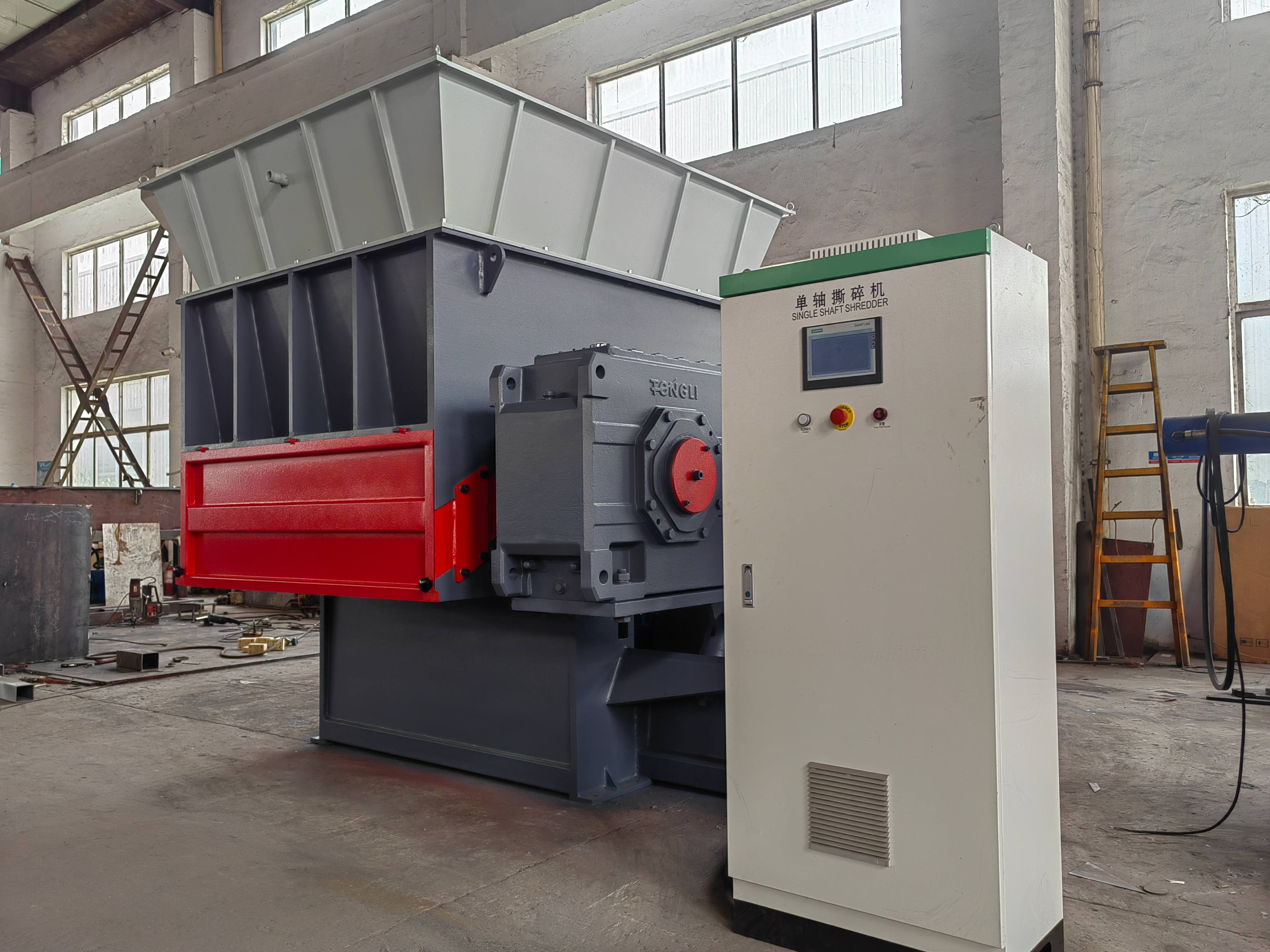
Mid-range single shaft shredders typically handle general plastics, light wood, and occasional metals without complaint, yet they often rely on standard rotors and basic control logic. Premium models, however, integrate reversible hydraulic rams, load-sensing feed systems, and hardened knife mounts that keep cutting clearances consistent even after hundreds of hours on abrasive materials. The real difference shows up in downtime: a mid-range unit might need knife changes every few weeks under constant load, while a premium shredder can run months between blade rotations because the entire power train is tuned to avoid shock loads and uneven wear.
Another often overlooked gap lies in the drivetrain and bearing protection. Mid-range machines commonly use direct-coupled gearboxes with minimal overload safeguards, which can transfer shock straight to the rotor and bearings when a dense chunk hits the cutting chamber. Premium shredders incorporate torque-limiting couplings, automatic rotor reversal, and separate bearing housings isolated from the cutting zone. This design philosophy means the machine absorbs the impact rather than the operator absorbing the repair bill, and it explains why two shredders with similar horsepower ratings can have vastly different lifetimes in a real plant environment.
Finally, the control interface separates the two classes more than any spec sheet reveals. Mid-range units often come with a simple start/stop panel and basic amperage display, leaving the operator to guess when to pause feeding. Premium shredders include adaptive PLC programming that monitors hydraulic pressure, rotor speed, and temperature in real time, automatically adjusting ram strokes or alerting the crew before a jam becomes catastrophic. That extra layer of sensing and response doesn't just prevent damage—it lets one operator manage a machine that would otherwise demand constant manual attention, which is why the premium price often disappears in labor savings and avoided rebuilds within the first two years.
Why Throughput Ratings Rarely Tell the Whole Story
Throughput numbers get thrown around as if they were a single, universal yardstick. A router that pushes 10 Gbps sounds twice as good as one rated at 5 Gbps, but those figures are usually captured under lab conditions that have little in common with a real network. Packet sizes, traffic mix, burst patterns, and even the temperature in the test rack can nudge the result by a surprising margin. Once you add concurrent users, VPN overhead, or a handful of firewall rules, the headline number starts to fray at the edges.
The bigger issue is that raw throughput says nothing about consistency. A device might hit an impressive peak for a few seconds, then drop into a stutter when buffers fill or when a background process kicks in. What you actually feel as a user is latency, jitter, and the occasional dropped connection—none of which appear in a simple Mbps figure. Two products with identical throughput ratings can behave completely differently under intermittent load, because one handles queue management well and the other simply collapses into retransmissions.
There is also the matter of how the number was measured. Vendors sometimes cherry-pick large packets, unidirectional traffic, or a single flow to make the spec sheet look better. Real workloads are messy: a mix of small chatty requests, large file transfers, and streaming media all competing for the same pipe. If you are sizing equipment based only on the advertised throughput, you are essentially buying a car by its top speed while ignoring how it handles in traffic.
Blade Materials That Survive Tough Waste Streams
Industrial shredders and granulators handling mixed municipal waste, scrap metal, or construction debris subject their blades to relentless abrasion and impact. Standard carbon steel edges dull within hours, and even hardened alloys can chip or crack under sporadic heavy loads. The key failure modes aren't just surface wear—microfractures from embedded tramp metal and thermal softening from frictional heat quickly degrade cutting geometry.
To counter these conditions, blade manufacturers have shifted toward powder metallurgy tool steels with high vanadium carbide content, such as CPM 10V or Vanadis 8. These alloys distribute hard carbide particles evenly, resisting both abrasive wear and edge chipping. For extreme environments, tungsten carbide tiles brazed onto a steel body offer near-ceramic hardness while retaining some toughness. Recent field trials also show promise for sintered titanium carbonitride (TiCN) blades, which hold an edge three times longer than D2 steel in processed electronic waste.
Selecting the right material isn't simply about picking the hardest option. Overly brittle blades can snap when a shredder encounters a solid steel shaft, so a balance between hardness and fracture toughness is essential. Many operators now use bi-metal construction: a tough, shock-absorbing core with a wear-resistant outer layer. Another overlooked factor is corrosion resistance—wet organic waste can cause pitting that accelerates wear. In such cases, nitrogen-alloyed stainless steels or physical vapor deposition (PVD) ceramic coatings outperform traditional high-speed steel.
The Hidden Cost of Cheap Hydraulic Drives
The sticker price on a bargain hydraulic drive rarely tells the whole story. What looks like a smart procurement decision often mutates into a quiet drain on operating budgets once those units hit the production floor. Downtime from premature seal failures, erratic torque delivery, and incompatibility with existing control systems chips away at any upfront savings within the first year. Maintenance crews learn to dread the unplanned teardowns, and the spare parts shelf starts filling with orphaned components that never quite match the OEM specs.
Beyond the repair invoices, there is a subtler expense: lost throughput. A low-cost drive that cannot hold speed under fluctuating load forces operators to dial back cycle rates or accept higher scrap. Energy efficiency also takes a hit, as these units often skip the finer tuning of valve timing and motor clearances that pricier alternatives include as standard. Over a five-year lifecycle, the cumulative kilowatt-hours and rejected parts can dwarf the initial purchase difference by an order of magnitude.
Then there is the engineering time consumed by retrofit workarounds. Cheaper drives tend to arrive with thin documentation and no local support, so your own team ends up reverse-engineering communication protocols or machining adapter plates. Those hours never show up on the purchase order, but they land squarely in the project budget. The hidden cost, in other words, is not a line item—it is a slow leak in the entire system.
Screen Size and Rotor Speed: Fine-Tuning Output Without Guesswork
Adjusting screen size and rotor speed together removes much of the uncertainty around final particle distribution. A smaller screen opening restricts material until it has been reduced enough to pass, while rotor speed controls how aggressively particles are thrown against the screen and each other. Testing a few combinations of these two variables usually reveals a predictable pattern.
Rotor speed has a stronger effect on fines generation than many operators expect. Increasing speed raises impact energy and air flow through the chamber, which can pull particles through the screen before they are fully sized. Reducing speed often produces a more uniform cut but may lower throughput. Balancing both parameters gives you tighter control over the output curve.
Instead of relying on trial and error, record the screen size, rotor speed, and resulting particle distribution for each material batch. Over time, this creates a reference table that lets you dial in a target specification quickly. Small adjustments of 5–10% in speed are usually enough to correct an off-spec result without changing screens.
What 5,000 Operating Hours Reveal About Maintenance Gaps
Five thousand hours of runtime tends to separate what the manual predicts from what the equipment actually does. Filter change intervals that looked conservative on paper turn out to be optimistic once dust, temperature swings, and operator variability enter the picture. In several compressors we tracked, the first signs of oil bypass showed up nearly 200 hours before the scheduled service, which meant abrasive particles had been circulating long enough to leave visible scoring on bearing surfaces.
The more telling pattern wasn't the obvious breakdowns, but the quiet drift in baseline readings. Vibration signatures on a cooling fan, for instance, shifted gradually between 3,200 and 4,800 hours without ever crossing the alarm threshold. By the time the sensor finally tripped, the imbalance had already loosened three mounting bolts and cracked one blade. Scheduled maintenance would have caught none of that because the checklist focused on lubrication and belt tension, not on comparing trend data from month to month.
What 5,000 hours really expose is that maintenance gaps rarely come from a single missed task. They accumulate from small mismatches between assumed operating conditions and actual stress loads. A pump rated for clean water gets run with mildly abrasive slurry, a motor is mounted slightly out of alignment, a breather is placed where forklift traffic kicks up dust. Each gap looks trivial on its own, but across 5,000 hours the combined wear becomes difficult to reverse without pulling the whole assembly apart.
FAQ
They work well with plastics, wood offcuts, paper, textiles, and even light metal scraps. The key is feeding material that can be grabbed by the ram and pulled into the rotor without jamming.
Look at rotor diameter and knife design. A larger rotor with replaceable blades usually means better throughput. Also check the hydraulic ram pressure—too low and the material just sits there; too high and you waste energy.
Blade rotation or replacement is the big one. Sharp knives cut instead of tear, which lowers power draw. Also keep an eye on screen wear and hydraulic fluid levels. A weekly grease of the rotor bearings goes a long way.
Single shaft units usually produce a more consistent particle size because the screen controls output. They also handle mixed and bulky waste better if you need a uniform end product for recycling or fuel preparation.
A robust ram system, powerful drive motor, and a rotor with high inertia. Some machines have an external hydraulic power pack that keeps heat away from the cutting chamber, which helps during continuous shifts.
Hardened tool steel or alloys with high chromium content stay sharp longer and resist abrasion from glass-filled plastics or metals. Softer blades dull quickly, leading to higher energy use and uneven output.
Plastic recycling plants, waste-to-energy facilities, pallet and wood waste processors, and e-waste recyclers. Any operation that needs to downsize mixed or bulky material before further sorting or burning.
Automatic reverse on overload, emergency stops on both sides, and interlocked access doors that cut power when opened. Some newer designs include a rotor lock for safe blade changes and remote monitoring to prevent overheating.
Conclusion
Choosing the right single shaft shredder often comes down to understanding what actually happens after the spec sheet. Mid-range machines may look similar to premium models on paper, but blade metallurgy, rotor balance, and drive responsiveness create a performance gap that only appears under real waste streams. Throughput ratings, for example, rarely reflect how the machine handles bulky, contaminated, or abrasive material over a full shift. A shredder that achieves 800 kg/h in clean plastic can drop by half when fed mixed textiles or wood with embedded metal. Premium units maintain their rated output because the cutting chamber geometry, screen design, and rotor speed are tuned together rather than bolted on as separate components.
The hidden costs emerge later. Cheap hydraulic drives overheat, leak, and lose cutting force exactly when the rotor encounters a tough patch, forcing operators to slow down or reverse frequently. Blade materials like D2 or DC53 tool steel survive far longer against glass-filled polymers and metal contaminants than standard AISI 4140, but only if heat treatment is consistent. Screen size and rotor speed fine-tuning is not guesswork when the control system logs torque spikes and adjusts feed automatically. After 5,000 operating hours, maintenance gaps become obvious: bearing lubrication points that are hard to reach, rotor access panels that require removing the hopper, and wear liners that cost more to replace than the blades themselves. The top single shaft shredders for efficient waste processing earn their place by eliminating these daily frictions, not by winning a one-time throughput test.
Contact Us
Contact Person: Leon
Email: [email protected]
Tel/WhatsApp: 8615385558866
Website: https://www.shred-waste.com