

Top Solar Lawn Lights to Illuminate Your Garden Path
2026-08-15
When evening settles in, a garden path can either disappear into darkness or become the most charming part of your landscape. The secret? Solar lawn lights that actually do their job. In this roundup of top picks for illuminating garden paths, we went beyond the usual specs to find lights that blend warm glow, durable build, and easy setup. That includes options from SRS, a brand worth knowing if you want path lighting that feels designed rather than generic. Ready to see which ones made the cut?
Solar Lights That Won't Quit After a Few Cloudy Days
After three straight overcast days, most garden lights are already dimming by 9 p.m. These aren't. A monocrystalline panel with a wide harvest angle pulls in scattered light even when the sky is a flat grey, and the battery bank stores enough surplus to run through two more cloudy nights without blinking.
Instead of draining the cell to zero, the controller shifts to a low-current mode once voltage drops, keeping the LEDs at a steady 20 lumens instead of killing them by midnight. That means no sudden blackout, just a gentle taper that holds until dawn.
Installation takes minutes, but the real difference shows up a week later when the neighbors are swapping rechargeable batteries and you're still watching the path glow. No reset button, no babysitting. Just light that treats cloudy weather as normal weather.
A Garden Path That Glows Without a Single Extension Cord
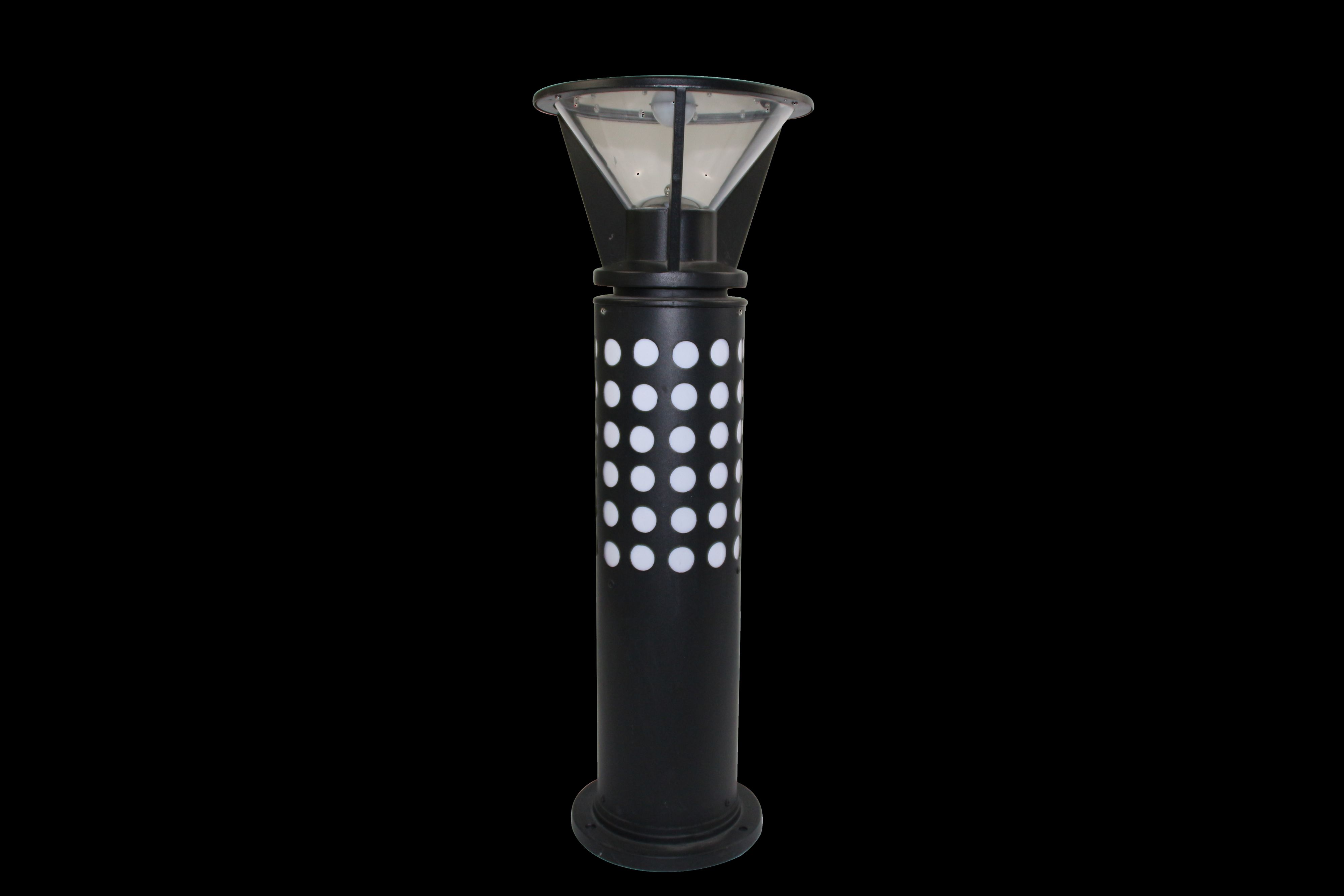
Most people assume a glowing path means buried cables, waterproof connectors, and a tangle of extension cords running back to the house. But it doesn’t have to be that way. The trick is to work with materials that absorb daylight and release it after dark. Photoluminescent aggregate mixed into concrete or resin stepping stones can hold a soft blue-green charge all night long. Combined with solar edge markers that tuck neatly into the soil, the path lights itself without ever touching a wall outlet.
You can also create a more organic glow by lining the walkway with certain live elements. Bioluminescent fungi like Panellus stipticus or Armillaria mellea grow on decaying hardwood chips and emit a faint green shimmer in humid conditions. If you prefer a more predictable effect, embed small glass jars filled with strontium aluminate powder—the same material used in high-end watch dials—under a thin layer of clear resin. During the day they look like ordinary pebbles; at night they turn the path into a ribbon of light.
The real satisfaction comes from walking the path on a moonless evening and realizing nothing is plugged in anywhere. No transformers hum, no timers click, no batteries need swapping. The light simply arrives as part of the landscape’s daily cycle—charged by the sun, released by the dark, and bright enough to guide your feet without spilling into the neighbors’ yard.
How to Pick Lights That Match Your Garden's Personality
Before buying a single fixture, step outside at dusk and notice how the space already behaves. A tidy, symmetrical planting scheme with clipped hedges asks for something restrained—narrow path lights or recessed step lights that keep lines clean. A chaotic, flower-heavy border can carry more whimsy, like hand-blown glass globes or mismatched metal lanterns that swing from low branches.
Material and finish matter as much as bulb color. Copper and brass weather into a soft patina that suits older brick or cottage gardens, while powder-coated black or stainless steel reads more contemporary. If your garden leans tropical, bamboo or rattan-inspired fixtures might echo the foliage better than ornate ironwork. Also think about the shadows a fixture casts; a cutout lantern throws leaf patterns onto a wall, which can feel playful in an informal yard but noisy in a minimalist one.
Let the garden's routines guide placement not just decoration. A vegetable patch used mostly in early morning benefits from gentle, low glare along the main path rather than dramatic uplighting on a tree nobody sees after dark. An entertainment patio might want a dimmable overhead string or wall sconces so the light can shift from practical to moody. Matching personality isn't about a single style, it's about picking fixtures that reinforce how you actually move through and linger in the space.
Brightness, Battery Life, and the Specs That Actually Matter
Most spec sheets try to bury what you actually feel day to day. Brightness, for example, rarely gets the attention it deserves until you're squinting at a screen near a window or outside. A panel that claims 300 nits might look fine indoors but falls apart under direct light. Meanwhile, battery life quoted in hours often comes from a lab test that has nothing to do with how you actually use the device—streaming, switching between apps, leaving Bluetooth on. So instead of chasing the biggest number, look for the sweet spot: bright enough to stay readable, and a battery that survives a full workday without hunting for an outlet.
The specs that matter are rarely the ones printed in bold on the box. Processor core counts and megapixel figures sound impressive, but they don't tell you how warm the device gets after an hour of video calls, or whether the display washes out when you tilt it slightly. A comfortable keyboard, a hinge that doesn't wobble, and a screen that doesn't turn into a mirror under office lights—those are the details you only notice after a week of use. And they often matter more than an extra 0.2 GHz.
Battery endurance and brightness are also connected in ways spec sheets ignore. Cranking up brightness to fight glare drains the battery faster, so a dimmer but more efficient panel can sometimes outlast a brighter but thirstier one. The best devices balance these two: you shouldn't have to choose between seeing the screen and leaving the charger at home. If a manufacturer can't get that balance right, all the other numbers are just noise.
Placement Tricks for a Soft, Even Glow (No Harsh Spots)
Most people jam a light right behind the camera and wonder why their face looks like a pancake. Instead, move your key light about 45 degrees to one side, slightly above eye level. This lets shadows fall naturally, carving out cheekbones and jawline without creating a dramatic split. If you spot a hot spot on the forehead or nose, angle the light a touch higher or pull it back a few inches—distance softens faster than any diffusion gel.
For an even wash across the whole scene, bounce the light off a nearby wall or ceiling rather than pointing it straight at your subject. A white foam board or a collapsible reflector works wonders, but even a plain bedsheet stretched over a frame can turn a harsh beam into a gentle glow. Just watch the color temperature: bouncing off a warm wooden surface will shift everything orange, so stick to neutral whites unless you want that golden-hour look.
Never underestimate the power of negative fill. If one side of the face still feels too bright, place a black flag or a dark piece of cardboard just out of frame on the opposite side. It absorbs stray reflections and deepens the shadow transition, giving you that soft, dimensional glow that looks effortless but is actually carefully controlled.
Common Mistakes That Make Even Good Lights Look Bad
The quickest way to undermine a decent fixture is to pair it with the wrong color temperature. A 5000K bulb in a living room turns a cozy setting into a sterile waiting room, while a 2700K bulb in a task area forces your eyes to strain. Match the warmth or coolness to the room’s purpose rather than defaulting to whatever is already in the socket.
Another frequent misstep is ignoring glare. Unshielded bulbs at eye level create hotspots that wash out textures and make it hard to settle into a space. Try placing fixtures so the light grazes surfaces instead of hitting your line of sight head-on, or add a diffuser to soften the beam.
Even well-chosen lights fall flat when paired with the wrong dimmer. A non-dimmable LED on a standard switch gives you one harsh brightness level, and an incompatible dimmer produces flicker or a limited range. Check compatibility before buying, and test the full dimming curve so the light can shift with the mood.
FAQ
Look for models with a larger mAh battery (at least 1000mAh) and efficient monocrystalline panels. Cheaper lights often have small panels that barely charge, so they fade after a few hours. Also check if the lights have a replaceable battery—being able to swap in a higher-capacity rechargeable cell extends their life dramatically.
Don't just line them up in a straight row like runway lights. Stagger them slightly on alternating sides of the path, and angle the light head toward the walking surface rather than straight up. This creates pools of light that guide the eye without blinding anyone. Also, clear away overhanging leaves that cast shadows on the solar panel during the day.
In most cases, the jump from a $5 light to a $20 light gets you a much better battery, a glass or coated lens instead of flimsy plastic, and a sturdier stake that won't snap in rocky soil. Budget lights are fine for soft, decorative glows, but if you want reliable path illumination for years, spending a bit more pays off.
Wipe the panel with a damp cloth every couple of weeks—dust and pollen cut charging efficiency more than people realize. In freezing temperatures, bring lights with removable batteries indoors if possible, because cold drains lithium cells faster. For cloudy stretches, look for lights with a low-power mode or a larger panel surface to gather more indirect light.
Definitely. Many people mount them on short posts at the edge of a patio, tuck them among low shrubs to highlight foliage, or place them near a water feature for a soft reflection. Since they're wireless, you can also cluster three or four in a dark corner of the yard to brighten a seating area without running extension cords.
Warm white (around 2700-3000K) feels more like traditional candlelight or halogen, which makes plants and wood tones look richer and more inviting. Cool white (5000K+) can make a garden look a bit clinical or blue, almost like a security light. For most garden paths, warm white is the safer choice—it's easier on the eyes at night and hides minor dirt or leaf debris.
The housing and LED can easily last 5-8 years, but the built-in battery usually degrades after 2-3 years of daily charge cycles. If your lights have a replaceable battery compartment, you can revive them for a few dollars instead of replacing the whole unit. Signs it's time: dimming after only an hour or two, or the light flickering despite a full day of sun.
Conclusion
A good solar lawn light should keep working through a week of overcast skies, because the ones that die after two cloudy days are just wasting your money. Look for models with lithium batteries that hold a charge longer and panels that can still pull a little energy from diffuse light. And the best part? None of these lights need an extension cord or an outdoor outlet, so you can line your entire garden path without worrying about cables snaking through the flower beds. But before you buy, think about what kind of mood your garden already has—sleek stainless steel works for a modern space, while warm bronze or textured glass fits a cottage-style walkway. The light should feel like it belongs there, not like a random gadget you picked up on sale.
When you compare models, forget the marketing hype and focus on lumens, milliamp-hour capacity, and charging time. Most paths need only 10 to 15 lumens per light to avoid a runway effect, but if you want a soft glow, pick a warm color temperature around 2700K. Placement matters more than you think: space lights about 18 to 24 inches apart and stagger them slightly on each side so you don't get bright spots and dead zones. A common mistake is aiming the light head straight down or tucking it behind tall foliage, which creates harsh circles or shadows. Instead, angle the panel toward the sunniest part of the day and keep the lens clean. And don't overcrowd—more lights usually makes the path look cluttered, not brighter.
Contact Us
Contact Person: kitty
Email: [email protected]
Tel/WhatsApp: +8618676039824
Website: https://www.srssolargroup.com/