

Top Stacking Door Design Ideas to Maximize Space and Style
2026-06-30
Looking to redefine your interiors with doors that blend practicality and elegance? Stacking doors are the ultimate solution, seamlessly merging indoor-outdoor living while saving precious square footage. At NORTON, we’ve seen how the right design can transform cramped rooms into airy, light-filled spaces. Whether you’re renovating a compact apartment or adding a modern touch to your home, these stacking door ideas promise to inspire—without compromising on style or function.
Sleek Aluminum Frames for an Urban Loft Vibe
There's something undeniably crisp about aluminum framing when it plays against raw brick and exposed ductwork. The metallic sheen picks up the room's shifting light, almost acting as a second source of illumination, while the slim profiles keep sightlines open and uncluttered. In a space that celebrates structural honesty, these frames don't compete—they quietly sharpen the edges, making everything feel more intentional.
We've moved past the era of bulky window casings that demand attention. Instead, the slim aluminum border becomes a framing device in the truest sense: it draws your eye to the view beyond, whether that's a city skyline or a courtyard tucked between buildings. The industrial coolness of the metal offers a counterpoint to softer furnishings—think wool throws, worn leather, a fiddle-leaf fig stretching toward the light—creating a lived-in tension that feels very loft-appropriate.
Beyond aesthetics, the material itself does some heavy lifting. Powder-coated aluminum resists corrosion, handles temperature swings without warping, and shrugs off the occasional bump from a ladder or a moving-day mishap. They're low-maintenance in a way that suits the loft dweller's DIY ethos—just a quick wipe and they're back to their original matte or brushed finish, no polishing, no refinishing, no fuss.
Full-Height Glass That Merges Interiors with Nature
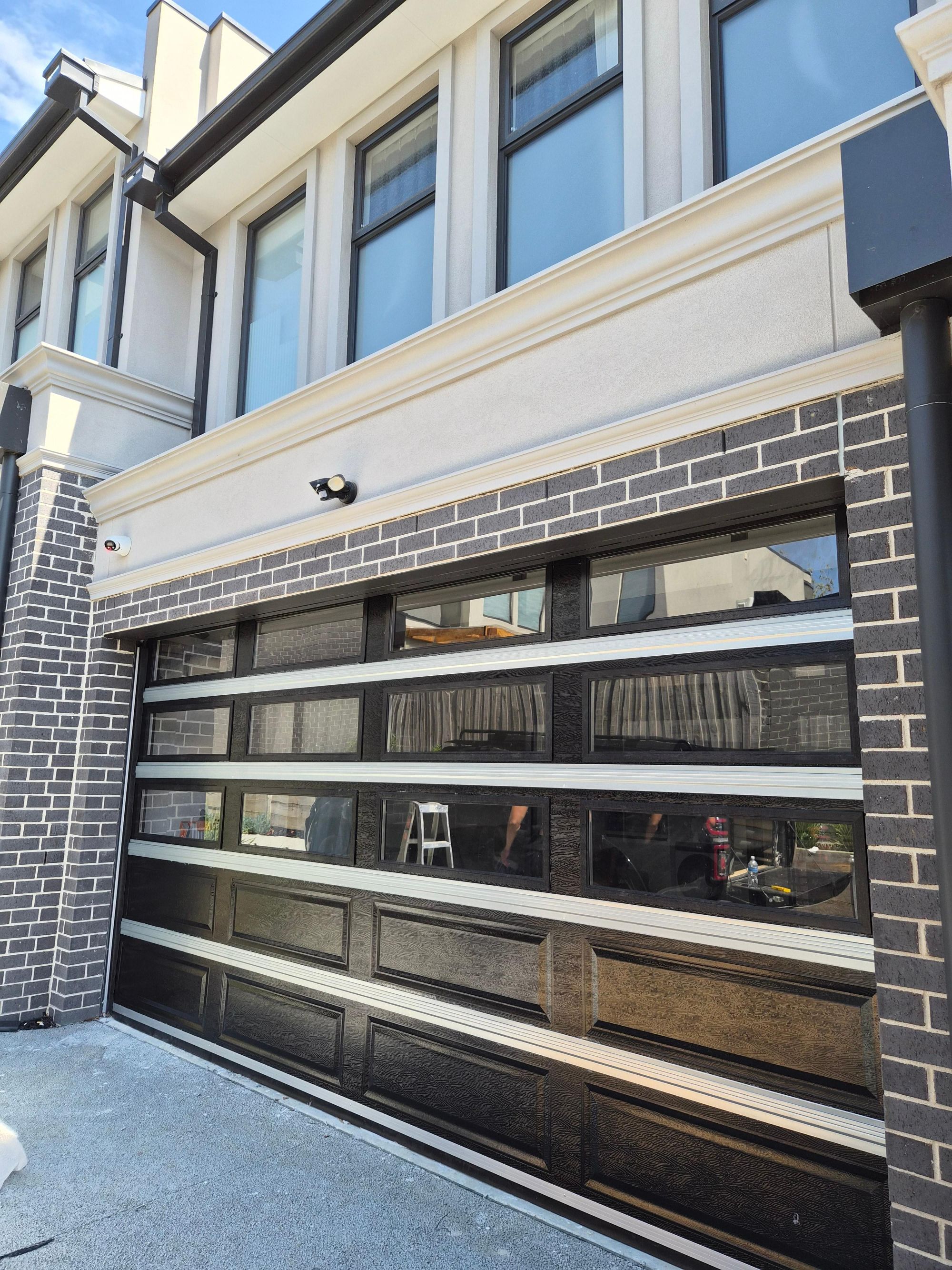
Floor-to-ceiling glass dissolves the usual separation between inside and out. It doesn't merely offer a view—it invites the horizon to become a living mural that shifts with every cloud and breeze. The result is a space where the hush of a forest or the glow of sunset feels like part of the furniture.
Light becomes a material in its own right, pouring through the glass and shaping the room's mood. In the early hours, it's a soft, diffused glow that gentles the edges of furniture; by midday, it's a bold geometry of brightness and shadow. This daily rhythm syncs your living space with the sun's path, making you aware of the day's pulse without a clock.
Surrounded by such openness, the idea of confinement disappears. The glass creates a shell that shields you from wind and rain while leaving the visual and emotional connection to nature intact. It's a quiet luxury—the feeling of being suspended in a tree canopy or nestled against a rocky slope, yet with all the comforts of a well-designed interior.
Bi-Fold Configurations That Tuck Away Completely
The magic of bi-fold doors lies in their ability to disappear entirely when opened. Unlike standard hinged doors that swing into the room and occupy precious floor space, these configurations fold back onto themselves and slide neatly to one side—or both—creating an unobstructed passage. This full tuck-away design is achieved through a system of panels connected by hinges, running along a precision track that guides them into a compact stack at the wall’s edge. It’s a solution that bridges indoor and outdoor living effortlessly, turning a solid barrier into a mere architectural detail.
What sets fully tucking bi-fold setups apart is the engineering behind the track and pivot system. The best installations use smooth-running, weight-bearing hardware that ensures even heavy, insulated glass panels glide with a finger’s touch. When fully folded, the panels occupy a depth of just a few inches against the jamb, effectively vanishing from view. This calls for careful planning of the adjacent wall space, ensuring there’s enough room for the stack without impeding furniture or foot traffic. Materials range from thermally broken aluminum to solid wood, each bringing a distinct character while maintaining that clean, stowed profile.
Integrating these doors into a home demands attention to the threshold and weather sealing, but the payoff is a design that feels liberating. With no door leafs protruding into the living area, even small rooms gain breathing room. Some configurations allow the panels to fold in either direction or bunch up at a corner post, tailoring the motion to the site’s quirks. When closed, the narrow stiles and expansive glass preserve views and light, and when open, the opening feels almost deliberate in its absence—a quiet mark of intelligent design.
Switchable Privacy Glass for Adaptive Living
Switchable privacy glass transforms the way we interact with our living spaces, offering instant control over visibility and light. Whether you're working from a home office, relaxing in a sunlit lounge, or simply seeking a moment of solitude, the ability to adjust transparency with a tap or voice command redefines convenience. This dynamic material shifts from crystal clear to opaque in milliseconds, eliminating the need for outdated curtains or blinds while preserving the open feel of modern interiors.
Beyond its functional appeal, this adaptive glazing enhances energy efficiency by regulating heat and glare without sacrificing the connection to the outdoors. For those who crave a minimalist aesthetic, the seamless integration into windows, partitions, and skylights creates a sleek, uncluttered look. The technology also prioritizes safety, as the film remains non-conductive and shatter-resistant, making it a practical choice for families and pet owners alike.
In the realm of adaptive living, switchable glass fosters an environment that responds intuitively to daily routines. Imagine a bathroom that offers complete privacy during morning rush and a bright, open feel for evening relaxation. Or a conference room that transitions from a transparent brainstorming hub to a confidential meeting area with one switch. It's not just a glass solution—it's a way to personalize your surroundings, turning any room into a multifunctional retreat without permanent walls.
Wood Finishes That Warm Up Cool Minimalism
The crisp geometry of minimalism often leans toward stark whites, grays, and polished concrete, but the right wood finish can inject a layered warmth without compromising the clean aesthetic. Think of a matte, wire-brushed oak that softens sharp lines while retaining a tactile, organic feel. The grain becomes a subtle texture, a counterpoint to cold surfaces, inviting touch and grounding the space in nature. It’s not about abandoning simplicity; it’s about choosing a finish that whispers rather than shouts, creating a quiet, enveloping atmosphere.
Finishes like smoked or cerused wood bring a muted depth that feels more nuanced than standard stains. A light cerusing on rift-sawn white oak highlights the grain with a whitewash effect, adding a luminous, almost silvery quality that complements concrete or steel. The key is to embrace low-luster or satin sheens—glossy surfaces can disrupt the minimalist calm. These treatments don’t just coat the wood; they interact with it, revealing character while keeping the overall palette restrained and sophisticated.
For those wary of too much uniformity, consider a hand-rubbed oil finish on walnut or ash. It builds a patina over time, subtly shifting with light and use, so the piece feels alive and responsive. This living quality bridges the gap between human comfort and minimalist precision, proving that a cool, modern interior can still hold a sense of domestic grace. The finish becomes a quiet collaborator, softening edges and memory of raw warmth into the space.
Trackless Designs for a Clean, Uninterrupted Floor
Modern interiors thrive on visual breathing room, and trackless systems deliver exactly that. By eliminating rails, grooves, or exposed hardware, the floor becomes a continuous canvas. Furniture slides along concealed channels or relies on balanced weight distribution, so nothing clutters the surface. The absence of guides not only simplifies maintenance but also preserves the architectural flow, making each space feel deliberate and open.
What often goes unnoticed is how trackless mechanics affect daily routines. Without fixed paths, you can rearrange layouts spontaneously—no more wrestling with jammed rollers or worn-out tracks. The silence is another plus: movement stays whisper-quiet, enhancing the room’s calm. Materials stay protected, too, since friction points vanish, reducing wear on both the floor and the moving elements over time.
This approach isn’t just about aesthetics; it’s a quiet rebellion against design clutter. When every line has purpose and nothing interrupts the floor, the room gains a subtle sense of order. It invites you to notice texture, light, and form rather than mechanics. In the end, a trackless design does more than keep floors clean—it shifts how you experience the entire environment.
FAQ
Stacking doors, also called bi-fold or concertina doors, consist of multiple panels that fold and stack against each other when opened, fully retracting to one or both sides. Unlike sliding doors, which leave at least one panel stationary, stacking doors create a seamless wide opening that merges indoor and outdoor areas, making them a popular choice for modern homes seeking to maximize natural light and airflow.
Aluminum is a top choice for its slender frames, strength, and low maintenance, allowing for larger panes of glass. Timber offers a classic, warm aesthetic but requires regular upkeep. For a balanced option, composite or uPVC materials mimic wood while providing excellent insulation and weather resistance, ensuring both style and long-term performance.
By replacing a solid wall or a standard window with glass stacking doors, you flood the space with daylight and visually extend the room's boundaries outward. The ability to fully open the doors erases the barrier between inside and outside, making even a compact kitchen or living area feel airy and expansive without any structural changes.
Corner stacking doors are a striking innovation, where two walls of glass meet at an angle and both can be folded completely away, turning a corner of your home into a grand indoor-outdoor retreat. Curved or rounded stacking doors are also possible in custom designs, following the contour of a room for a truly unique architectural feature.
Modern stacking doors use double or triple glazing with low-emissivity coatings and argon gas fills, which significantly reduce heat transfer. Thermal break technology in the frames prevents cold from conducting inside. These features keep the sleek appearance intact while lowering energy bills and maintaining a comfortable interior climate year-round.
Look for recessed tracks that sit flush with the floor, eliminating trip hazards and creating a continuous surface between indoor and outdoor spaces. Concealed hinges and drop-bolts that integrate into the door profile maintain clean lines. Magnetic flush pulls instead of protruding handles further enhance the minimalist look, letting the glass and the view take center stage.
Integrated blinds between the glass panes are an excellent solution, as they stay dust-free and can be adjusted to control visibility while still letting in daylight. Switchable smart glass, which turns opaque at the touch of a button, offers high-tech privacy on demand. Externally, strategically placed landscaping or frosted film applied to the lower portion of the glass balances seclusion with brightness.
Conclusion
Stacking doors have evolved into a defining architectural feature, blending space efficiency with aesthetic versatility. Sleek aluminum frames lend an urban loft vibe, offering slim sightlines and industrial elegance that make interiors feel more expansive. When paired with full-height glass panels, these doors dissolve boundaries between indoors and out, flooding rooms with natural light and framing outdoor views like living artwork. Bi-fold configurations take this openness further by allowing panels to fold and stack neatly against the wall, completely tucking away the barrier and creating an uninterrupted flow between spaces—ideal for entertaining or everyday living.
Design innovation doesn’t stop at mechanics; adaptive materials like switchable privacy glass give homeowners instant control over transparency, shifting from clear to frosted with a switch, so spaces stay open yet intimate when needed. Warm wood finishes soften the cool minimalism of glass and metal, adding texture and a natural touch that makes modern designs feel inviting. Underfoot, trackless designs keep floors seamless, eliminating grooves that trap dirt and disrupt the visual flow, making the threshold disappear entirely. These combined ideas show how thoughtfully designed stacking doors can maximize both space and style, transforming any room into a more flexible, luminous, and personal environment.
Contact Us
Contact Person: Cyril He
Email: [email protected]
Tel/WhatsApp: 8613969697307
Website: https://cqyqgd.en.alibaba.com/