

Why Are Manufacturers Increasingly Choosing Nylon Industrial Yarn for High-Performance Applications?
2026-03-06
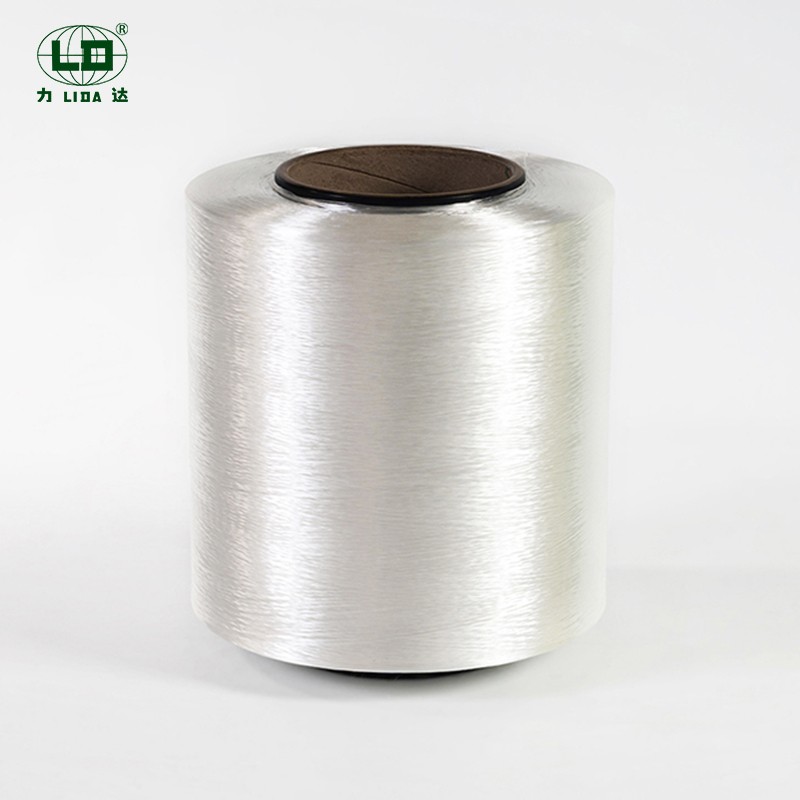
Over the past few years, I have watched many manufacturers rethink the materials used in their production lines. During several industry discussions, I noticed how Changshu Polyester Co., Ltd. gradually introduced Nylon Industrial Yarn into more specialized production sectors. What started as a material used mainly in traditional textile reinforcement has now become a key component in many high-performance industrial products. From automotive safety materials to conveyor systems and technical fabrics, the demand for Nylon Industrial Yarn continues to grow because companies are seeking durability, flexibility, and consistent performance.
In this article, I want to share why so many manufacturers—including those I have worked with—are shifting toward Nylon Industrial Yarn, what problems it solves, and how choosing the right supplier can make a significant difference in long-term production stability.
What Problems Do Manufacturers Face When Choosing Industrial Yarn Materials?
Before selecting a material for industrial textiles, most manufacturers encounter several practical challenges. I often hear the same concerns from production teams and procurement managers.
- Insufficient tensile strength that leads to product deformation or breakage
- Poor abrasion resistance in high-friction environments
- Unstable yarn quality affecting downstream manufacturing
- Limited elasticity that reduces product lifespan
- Inconsistent supply chains that interrupt production schedules
These issues can cause costly downtime, rejected batches, and product failures. When manufacturers begin evaluating alternatives, Nylon Industrial Yarn often becomes a strong candidate because it balances strength, flexibility, and durability better than many conventional fibers.
Why Does Nylon Industrial Yarn Deliver Reliable Industrial Performance?
One of the main reasons I recommend Nylon Industrial Yarn to clients is its unique combination of mechanical and chemical properties. Nylon fibers are engineered for demanding environments where traditional yarns may fail.
Here are several performance advantages I often highlight when discussing this material with production engineers.
- High tensile strength suitable for load-bearing applications
- Excellent abrasion resistance for friction-heavy environments
- Strong elasticity allowing materials to recover after stress
- Resistance to fatigue in repeated mechanical movement
- Stable performance across different temperature ranges
Because of these characteristics, Nylon Industrial Yarn is widely used in safety belts, tire cords, conveyor belts, coated fabrics, and reinforcement textiles.
Where Is Nylon Industrial Yarn Commonly Used Across Industries?
From my experience working with industrial manufacturers, this material supports a wide range of technical applications. Many industries rely on it to improve both product durability and safety standards.
| Industry | Typical Application | Performance Requirement |
|---|---|---|
| Automotive | Seat belts and airbag reinforcement | High tensile strength and reliability |
| Transportation | Tire cord fabric | Fatigue resistance and stability |
| Industrial Manufacturing | Conveyor belts and lifting straps | Durability under heavy loads |
| Construction | Geotextile reinforcement | Strength and environmental resistance |
| Protective Equipment | Industrial safety textiles | Abrasion resistance and flexibility |
How Do I Evaluate the Quality of Nylon Industrial Yarn Before Purchasing?
Choosing the right yarn supplier requires more than checking a specification sheet. When evaluating Nylon Industrial Yarn, I usually focus on several practical indicators that influence real production performance.
- Consistency of filament structure and denier accuracy
- Uniform dyeing and surface quality
- Stable tensile strength across production batches
- Reliable packaging for long-distance transportation
- Long-term production capacity and delivery reliability
A dependable supplier should also be able to customize yarn specifications according to the requirements of different industrial fabrics.
Why Do Manufacturers Work With Experienced Producers for Industrial Yarn?
From my perspective, selecting an experienced manufacturer brings more value than simply purchasing a raw material. When working with professional producers like Changshu Polyester Co., Ltd., manufacturers benefit from technical expertise, strict quality control, and consistent supply capabilities.
Companies that specialize in industrial yarn production often invest heavily in advanced spinning technology, precision testing equipment, and long-term research into fiber performance. These efforts help ensure that every batch of Nylon Industrial Yarn meets the performance expectations required in demanding industrial environments.
Can Nylon Industrial Yarn Improve Long-Term Product Reliability?
After seeing the results across several industries, I believe the answer is clearly yes. Products reinforced with Nylon Industrial Yarn tend to last longer, perform better under stress, and require fewer replacements over time. This translates directly into lower maintenance costs and improved operational efficiency.
Are You Looking for a Reliable Supplier of Nylon Industrial Yarn?
If you are currently evaluating industrial yarn solutions or looking to improve the durability of your products, exploring high-quality Nylon Industrial Yarn could be the right next step. Working with an experienced manufacturer ensures stable product quality, professional technical support, and long-term supply reliability.
If you would like to learn more about specifications, customization options, or application recommendations, we welcome your inquiry. Please feel free to contact us today to discuss your project requirements and discover how Nylon Industrial Yarn can support your manufacturing goals.