

Why Is a School Steel Building Becoming the Smarter Choice for Modern Education?
2026-01-21
When I first started working closely with educational construction projects, I noticed a recurring concern shared by school administrators and project planners: how to build facilities that are safe, durable, flexible, and delivered on time without pushing budgets beyond control. That was also when I became familiar with Qingdao Eihe Steel Structure Group Co., Ltd., a company that has quietly accumulated experience in educational infrastructure while responding to very real on-the-ground needs. In this context, the concept of a School Steel Building stood out not as a trend, but as a practical solution shaped by years of field feedback.
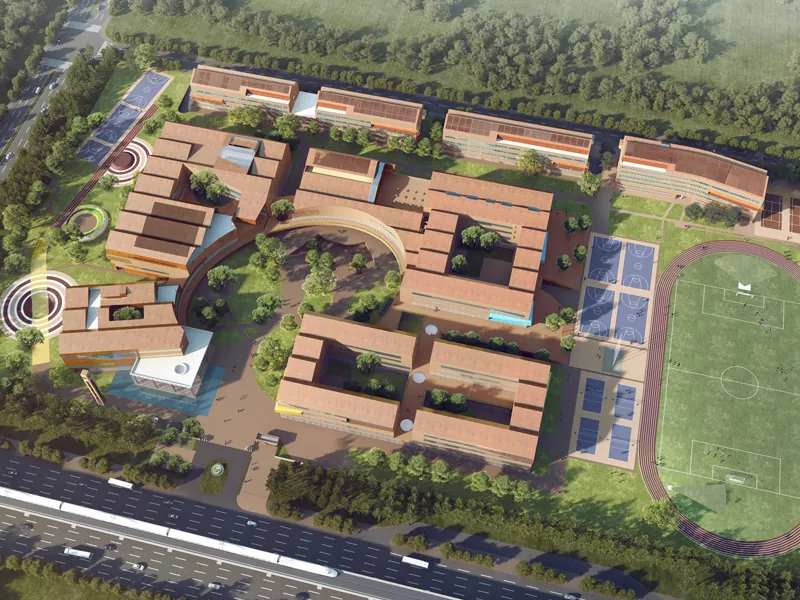
What Problems Do Schools Face When Planning New Buildings?
From my experience, schools rarely struggle with just one issue. Instead, they face a combination of pressures that traditional construction methods do not always address well. A School Steel Building approach directly responds to many of these challenges rather than avoiding them.
- Limited construction windows tied to academic calendars
- Strict safety and structural compliance requirements
- Long-term maintenance costs that strain school budgets
- Need for adaptable spaces as student numbers change
- Environmental and sustainability expectations from communities
How Does a School Steel Building Improve Safety and Structural Reliability?
Safety is always the first topic raised in any school construction discussion I join. Steel structures offer predictable performance under load, seismic activity, and extreme weather. In a School Steel Building, the core structural components are fabricated under controlled conditions, which reduces on-site uncertainty and improves overall consistency.
What I find especially reassuring is how steel frameworks allow for clear load paths and straightforward inspections. This makes it easier for school authorities to verify compliance and for parents to feel confident about the environment their children are learning in.
Why Does Construction Speed Matter So Much for Educational Projects?
School construction timelines are unforgiving. Delays often mean disrupted classes or temporary facilities that no one wants. One reason I often recommend a School Steel Building is the efficiency of prefabrication. Structural elements arrive ready for assembly, reducing weather-related delays and minimizing on-site labor time.
| Construction Aspect | Traditional Methods | School Steel Building Approach |
|---|---|---|
| Material Preparation | Mostly on-site | Factory-prefabricated |
| Construction Time | Longer and variable | Shorter and predictable |
| Weather Impact | High | Lower |
| Quality Consistency | Depends on site conditions | Controlled manufacturing standards |
How Can School Steel Buildings Adapt to Changing Educational Needs?
One thing schools rarely stay is static. Enrollment grows, teaching methods evolve, and new functional spaces become necessary. A School Steel Building offers flexibility that I have seen traditional concrete structures struggle to match. Open-span designs allow classrooms, labs, or activity halls to be reconfigured with fewer structural constraints.
This adaptability is particularly valuable for schools planning long-term growth without committing to multiple disruptive construction phases.
What About Cost Control Over the Entire Building Lifecycle?
Initial construction cost is only part of the equation. I often remind decision-makers to look at maintenance, repairs, and future modifications. Steel structures typically require less frequent structural intervention, and when changes are needed, they are easier to execute.
- Reduced structural maintenance over time
- Lower risk of hidden material degradation
- Simplified expansion or modification work
- Predictable budgeting for long-term use
For many institutions, this lifecycle perspective makes a School Steel Building not just affordable, but financially sensible.
Why Is Sustainability Becoming a Deciding Factor for School Buildings?
Environmental responsibility is no longer optional for educational institutions. Steel is highly recyclable, and modern design practices allow buildings to incorporate energy-efficient envelopes, natural lighting, and ventilation strategies. In my conversations with planners, this aspect often aligns well with schools’ educational values and community expectations.
Choosing a School Steel Building can support sustainability goals while still meeting strict functional and safety requirements.
How Do You Take the Next Step Toward a Better School Building?
Every school project has its own constraints, location factors, and educational goals. From what I have seen, working with experienced manufacturers who understand both structural engineering and real-world school use makes a measurable difference. Qingdao Eihe Steel Structure Group Co., Ltd. approaches school projects with this balance in mind, focusing on practical design, reliable delivery, and long-term usability.
If you are exploring options for your next educational facility or considering upgrading existing infrastructure, now is the right time to start the conversation. Contact us today to discuss how a School Steel Building can be tailored to your project needs and help create safer, more adaptable learning environments.