

Why Is PET Board Becoming the Smarter Choice for Modern Interior Panels?
2026-03-20
When I look at what buyers, designers, and manufacturers actually need from decorative panel materials today, I keep coming back to one practical question: how can a surface material be clean-looking, durable, easy to process, and reliable enough for long-term indoor use without creating unnecessary maintenance problems later? This is exactly where Hanhua Vision (Xiamen) New Material Technology Co., Ltd. naturally enters the conversation, because the company has been steadily focusing on material solutions that answer real market needs rather than just offering another standard panel option. Among those solutions, PET Board stands out as a material that helps solve common pain points in furniture manufacturing, interior decoration, and commercial space applications.
I am not interested in describing products with empty praise. I would rather talk about why people actually choose a panel, what problems they are trying to avoid, and how the right material can reduce complaints after installation. That is why this article focuses on the real advantages of PET Board, from appearance consistency and wear resistance to easier cleaning, stable performance, and better adaptability in daily use.
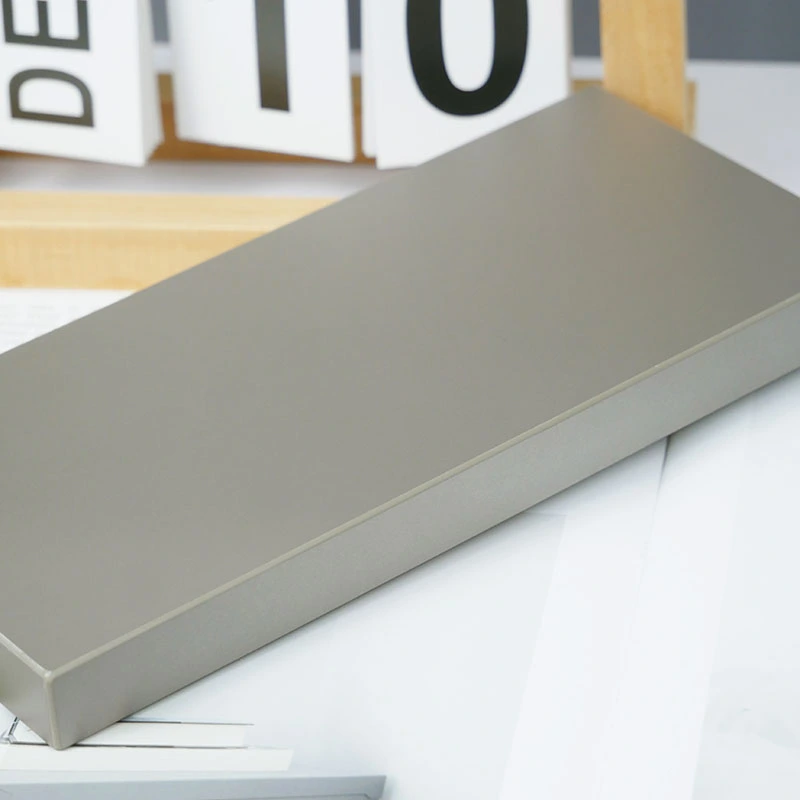
What Problems Do Buyers Usually Face When Choosing Decorative Boards?
In many projects, the surface panel looks acceptable in a catalog but reveals problems after real use. I often see the same concerns repeated across residential, retail, office, and custom furniture applications:
- Surface scratches that appear too easily during transport or installation
- Fingerprints and stains that make maintenance difficult
- Uneven color or texture that affects the final visual result
- Panels that are hard to fabricate efficiently
- Materials that do not balance appearance, durability, and cost control
- Unstable supply or inconsistent quality between batches
These issues are not minor. They directly affect production efficiency, customer satisfaction, and the long-term image of a finished project. When I evaluate panel materials, I do not just ask whether they look good on day one. I ask whether they can continue to perform after cutting, edging, installation, cleaning, and everyday contact. That is one reason why more buyers are paying attention to PET Board.
Why Does PET Board Fit Today’s Interior and Furniture Demands So Well?
I see modern buyers becoming much more practical. They want decorative surfaces that match contemporary aesthetics, but they also want materials that make production and maintenance easier. PET Board works well in this environment because it offers a combination of visual cleanliness, surface stability, and functional usability that many traditional options struggle to balance at the same time.
For furniture brands, cabinet makers, and interior contractors, the appeal is simple. A well-made PET Board can support a neat finish, a modern appearance, and a user-friendly surface without requiring excessive upkeep. In kitchens, wardrobes, wall panels, office cabinetry, retail display systems, and hospitality interiors, this matters a great deal because the material is not judged only by how it looks in a showroom. It is judged by how it behaves after repeated use.
| Buyer Concern | What They Need | How PET Board Helps |
|---|---|---|
| Surface appearance | Clean, modern, uniform finish | Supports a refined decorative effect with stable visual presentation |
| Daily maintenance | Easy cleaning and less visible residue | Smooth surface helps simplify routine care |
| Wear during use | Better durability in everyday environments | Offers practical resistance for interior applications |
| Manufacturing efficiency | Reliable processing and finishing compatibility | Suitable for furniture and panel-based fabrication workflows |
| Project consistency | Stable quality from order to order | Helps reduce mismatch and rework risks when quality control is strong |
How Does PET Board Improve the User Experience in Real Spaces?
I think one of the biggest reasons this material gets attention is that end users notice the difference in everyday life, even if they do not know the technical name of the board they are touching. They notice whether a cabinet door is easy to wipe clean. They notice whether a panel keeps its neat look in a busy family kitchen. They notice whether a reception area still looks professional after constant daily traffic.
That is where PET Board creates real value. It is not just a product for factories. It is a material that supports better living and working environments. When used well, it can help interiors feel more organized, brighter, and easier to maintain. That combination matters to homeowners, builders, architects, and commercial buyers alike.
- It helps create a modern and tidy visual effect
- It supports easier cleaning in frequently touched areas
- It contributes to a more professional finish in custom furniture
- It works well in projects where both function and appearance matter
- It gives buyers a material option that is easier to explain to end customers
What Makes Surface Performance So Important in Decorative Panel Selection?
In my experience, surface performance is often the difference between a product that looks attractive during sales and a product that truly performs after delivery. Decorative boards are touched, opened, cleaned, moved, and exposed to light, dust, and daily friction. If the surface is hard to maintain or too delicate, customer complaints come quickly.
That is why I pay attention not only to appearance, but also to whether the material can hold up under normal use conditions. A reliable PET Board solution helps reduce concerns related to visible wear, ordinary cleaning, and daily usability. For distributors and project suppliers, this is especially important because fewer complaints after installation usually mean better repeat business.
| Application Area | Common Pain Point | Why the Right Board Matters |
|---|---|---|
| Kitchen cabinets | Frequent contact, cleaning, and visual exposure | A stable decorative surface helps maintain a clean appearance |
| Wardrobes | Daily opening, touching, and long-term indoor use | Surface consistency supports long-term customer satisfaction |
| Office furniture | Need for a neat and professional look | Modern finish improves workspace image |
| Retail fixtures | High visibility and repeated public use | Durable decorative panels help reduce maintenance pressure |
| Wall decoration | Large-area visual consistency | Uniform appearance improves design effect |
Why Do Manufacturers and Project Buyers Care About Processing Compatibility?
I never think about decorative materials only from the showroom perspective. I also think about what happens inside the factory. A board may look promising at first, but if it creates problems during fabrication, trimming, lamination, or assembly, the real cost goes up quickly. Production teams need materials that can fit into efficient workflows instead of slowing them down.
This is another reason why PET Board attracts serious interest. Buyers are not just purchasing a finished look. They are purchasing a solution that needs to work within real manufacturing conditions. When a panel performs more reliably during processing and supports cleaner finished results, it helps reduce waste, improve output consistency, and save time across the production cycle.
- Less risk of unnecessary rework
- Better suitability for furniture and panel fabrication needs
- More confidence when supplying custom orders
- Stronger support for repeatable quality standards
- Greater value for brands that care about final presentation
How Can Buyers Judge Whether a PET Board Supplier Is Truly Reliable?
I believe the material itself is only one part of the decision. The supplier matters just as much. Even a good product category can become a headache if the supplier cannot offer stable quality, clear communication, or dependable delivery. That is why I always suggest evaluating a supplier beyond price alone.
When I assess a board partner, I look for several practical signals:
- Whether the supplier understands actual application scenarios
- Whether product specifications are presented clearly
- Whether color, finish, and board consistency are controlled seriously
- Whether communication is timely and solution-oriented
- Whether the company can support long-term cooperation instead of one-time sales
For buyers who want more than a generic catalog experience, working with a specialized manufacturer makes a real difference. A company that continues improving its product line and understands how materials are used in furniture and interior projects can support smoother procurement and better results. That is one of the reasons many buyers prefer to work directly with an experienced source rather than relying only on intermediaries.
Where Can PET Board Deliver the Most Noticeable Value?
I see the strongest value of PET Board in spaces where design quality and practical use have to coexist. Some materials look impressive but are too hard to maintain. Others are practical but visually flat. The appeal of this board is that it can serve both purposes in a balanced way.
It is especially useful in the following scenarios:
- Custom kitchen cabinet doors and cabinet body decoration
- Wardrobe systems for homes, apartments, and hotels
- Office storage units and executive furniture panels
- Retail display furniture and brand presentation fixtures
- Interior wall panels where visual consistency matters
- Commercial projects that need a modern decorative solution with practical usability
In these applications, the right board does more than fill a specification sheet. It helps the finished project feel more refined and more dependable. That matters to both installers and end users.
Why Is Natural, Problem-Solving Material Selection Better Than Chasing Trends?
I understand why trend-driven marketing can be tempting. New finishes, popular colors, and fashionable styles always attract attention. But in real projects, trend value disappears quickly if the material creates maintenance issues, production delays, or customer dissatisfaction. I would rather choose a panel based on how well it solves actual problems.
That is why PET Board deserves attention from practical buyers. It answers questions that matter in daily business. Can this surface support a clean and modern look? Can it help reduce visible wear concerns in indoor applications? Can it fit well into furniture and decorative panel projects? Can it support the expectations of modern end users who want both style and convenience? In many cases, the answer is yes.
Could PET Board Be the Right Fit for Your Next Project?
If I were selecting a decorative panel for a project that needed a modern appearance, stable surface quality, practical daily usability, and good application flexibility, I would absolutely consider PET Board as a serious option. It is not about choosing a fashionable term. It is about choosing a material that helps solve common problems before they become expensive after-sales issues.
If you are comparing panel materials for furniture, cabinetry, interior decoration, or commercial use, now is a good time to look more closely at what Hanhua Vision (Xiamen) New Material Technology Co., Ltd. can offer. If you want a dependable partner and want to explore the right PET Board solution for your market, your design style, or your production needs, please contact us today and send your inquiry. We would be glad to discuss your project, recommend a suitable option, and help you move forward with confidence.